
Plants
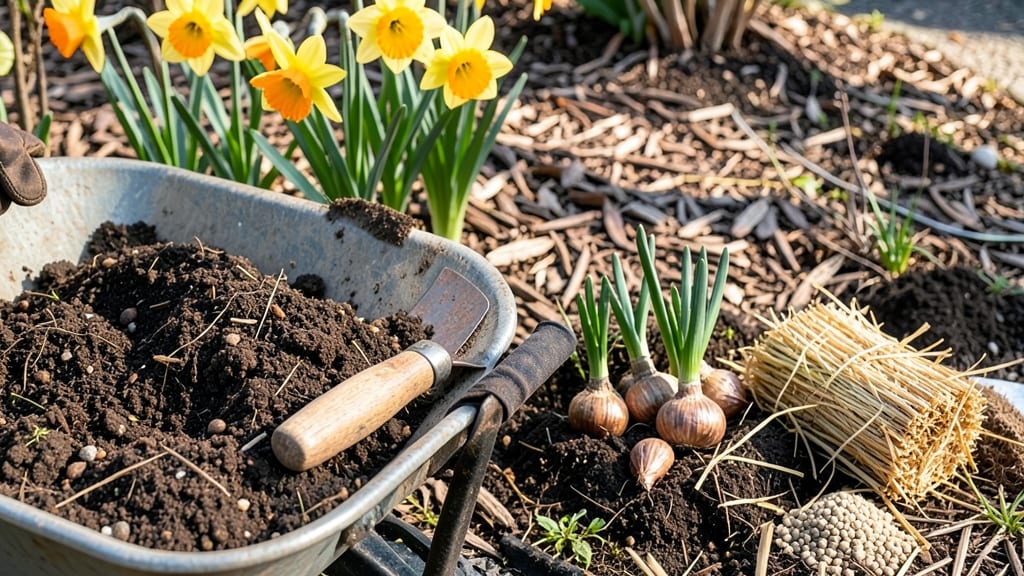
If you’ve ever wondered when to plant daffodil bulbs in California, the answer isn’t one-size-fits-all—because the state’s microclimates can turn a single planting window into a high-stakes guessing game.
Coastal gardeners in San Francisco might be rushing to tuck bulbs into the soil by late October, while inland valleys like the Central Coast could wait until December without a worry.
Here’s the thing: daffodils 🌼 thrive when planted 6-8 weeks before winter rains set in, but California’s USDA zones 9-10 (and their quirky variations) mean timing can shift dramatically.
Too early, and your bulbs might rot in soggy soil; too late, and you’ll miss the chance for those cheerful spring blooms that brighten up gray winter days.
I’ve spent years testing the perfect window across the state, from the foggy coasts to the sunbaked desert edges. What I’ve learned will help you avoid common mistakes—like planting too deep in clay-heavy soil or ignoring the subtle clues your local climate gives you.
Let’s break down the best months by region so you can plant with confidence and wake up to a garden bursting with color.
The key? Understanding your specific microclimate—whether you’re in a frost-prone valley or a coastal area where winter chills are rare. With the right timing, your daffodils will reward you with zero-frost blooms that outshine even the most dramatic California sunsets. Ready to get started?
California’s 3 best planting zones for daffodils: months and microclimates explained
California’s climate is as diverse as its landscapes, and daffodils thrive best when planted at the right time in your specific microclimate. Unlike other states, California rarely experiences hard frosts, but coastal areas can still get chilly winters that affect planting windows.
Understanding your USDA zone and local conditions is key to ensuring your daffodils bloom beautifully in late winter or early spring.
Most of California falls within USDA Zones 7-10, but even within these zones, temperatures and rainfall vary wildly. For example, San Francisco’s coastal fog belt (Zone 9b-10a) has milder winters, while the Central Valley (Zone 9a-10a) can experience warmer winters with occasional frost.
Meanwhile, desert regions like Palm Springs (Zone 10b-11a) have almost frost-free winters, allowing for a later planting window.
Here’s how to match your location to the ideal planting window for daffodil bulbs, along with soil prep tips tailored to California’s unique conditions:
🌱 California Daffodil Planting Zones: Best Months by Region
| Zone & Region | Best Planting Window | Soil Prep Tip | Key Consideration |
|---|---|---|---|
| Coastal (SF Bay Area, LA, Santa Barbara) - Zones 9b-10a | Late October to November | Amend heavy clay with compost; improve drainage. | Mild winters; avoid planting too early in wet soil. |
| Inland Valleys (Sacramento, Fresno, Bakersfield) - Zones 9a-10a | October to early December | Add organic matter to sandy soils; mulch to retain moisture. | Warmer winters; can plant slightly later than coastal areas. |
| Desert (Palm Springs, Joshua Tree, Coachella) - Zones 10b-11a | November to December | Use well-draining soil; water deeply after planting. | Almost frost-free; plant after summer heat subsides. |
| High Elevation (Mountains, Sierra Foothills) - Zones 7-8 | September to October | Plant in raised beds for better drainage; use cold-hardy varieties. | Cooler temps; plant earlier to avoid winter wetness. |
If you’re in coastal California, aim for late October to November to avoid the winter rains that can cause bulb rot. In inland valleys, you have a bit more flexibility—planting from October through early December works well.
Meanwhile, desert gardeners can wait until November or December, as the soil stays warmer longer.
For high-elevation areas, like the Sierra Foothills, plant in September to October. These regions experience cooler temperatures and occasional frost, so early planting gives bulbs time to establish roots before winter sets in. Always choose cold-hardy varieties like ‘Ice Follies’ or ‘Tête-à-Tête’ for these areas.
One of the biggest mistakes California gardeners make is ignoring soil drainage. Many regions, especially coastal and high-elevation areas, have heavy clay soils that can suffocate bulbs. Amend your soil with compost or sand to improve drainage, and consider planting in raised beds if your soil is particularly dense.
Another pro tip: Mulch after planting to protect bulbs from temperature swings and retain moisture. Use a 2-3 inch layer of straw or shredded leaves, but avoid piling mulch directly against the bulbs to prevent rot.
This is especially important in desert regions, where winter rains can be sporadic but intense when they occur.
Finally, don’t forget to choose the right daffodil varieties for your region. Coastal gardeners can opt for classic varieties like ‘Carlton’ or ‘Dutch Master,’ while desert gardeners might prefer heat-tolerant types like ‘Mexican Shell Pink’ or ‘Paper White.’
Always check the USDA zone recommendations on bulb packaging to ensure a match for your microclimate.
With the right timing and soil prep, your daffodils will reward you with vibrant blooms from late winter through early spring—just in time to brighten up California’s often gray or chilly days. 🌼
How to time daffodil planting for spring blooms: step-by-step calendar by region
Timing your daffodil 🌼 planting isn’t just about picking a month—it’s about reading your local climate like a pro. In Northern California, where coastal fog and inland valleys create wildly different conditions, I’ve found that October through early November is your sweet spot.
But if you’re in Southern California’s desert edges, you might push planting into December without stress.
The secret? Plant when soil temps hit 60°F or below—this signals your bulbs to root before winter rains or dormancy kicks in. Use this step-by-step calendar to align your planting with your region’s unique rhythm, ensuring blooms that outshine even the most dramatic California sunsets.
🌱 Northern California (Coastal & Inland Valleys)
- 📅 Late September: Test soil moisture—if it’s still warm, wait. Coastal areas may need to delay until October 15.
- 🌡️ October 1-15: Ideal window. Plant when daytime highs drop below 70°F.
- 💧 October 16-31: Last chance for inland valleys (e.g., Sacramento). Avoid if rains are forecasted.
- ❄️ November 1-15: Emergency planting only for high-elevation areas (e.g., Sierra foothills).
🌵 Southern California (Desert & Coastal)
- 📅 October 15-November 1: Best for coastal SoCal (e.g., LA, San Diego). Soil should be 60-65°F.
- 🏜️ November 15-December 15: Desert regions (e.g., Palm Springs) can plant later due to warmer winters.
- 🌡️ December 16-January 15: Last resort for high-desert areas (e.g., Joshua Tree). Use well-draining soil.
🌿 Year-Round Prep & Care
- 🔄 Late Summer (Aug-Sept): Aerate soil and mix in compost for nutrients.
- 🌱 Planting Depth: 6-8 inches deep, with 2-3 inches between bulbs.
- 💧 Watering: Deep soak weekly until rains return (then reduce to monthly).
- 🌿 Spring Care: Let foliage yellow naturally—never cut it back until it’s brown and crispy.
Pro tip: If you’re in a transition zone (like the Central Coast), split your bulbs—plant half in October and half in November for staggered blooms. This ensures color from late winter through early spring, no matter which microclimate you’re in.
Remember, daffodils are hardy survivors—they’ll forgive minor timing slips. But for zero-frost blooms that steal the show, follow this calendar and your garden will thank you with vibrant, reliable color year after year. Happy planting!