
Plants
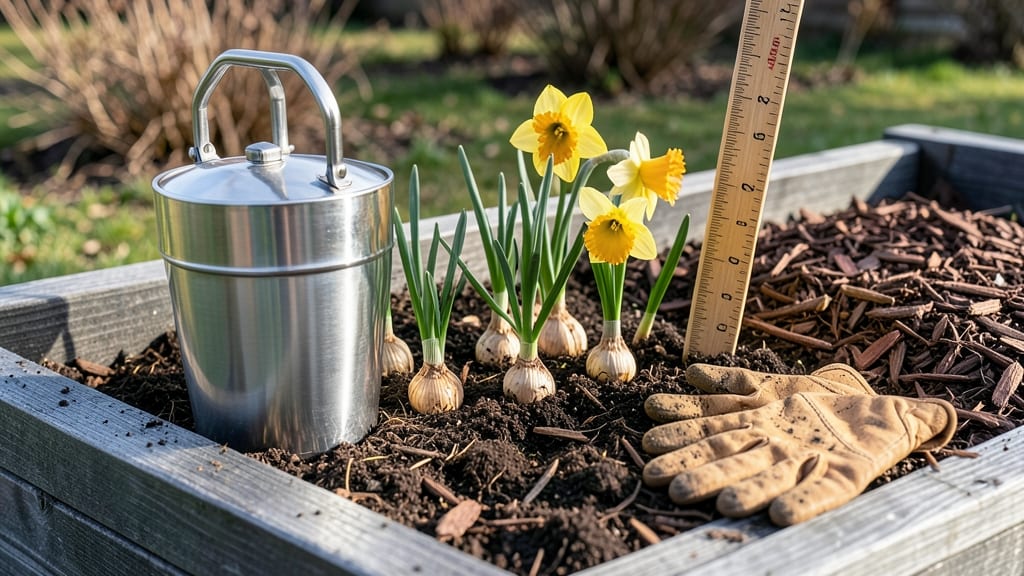
Timing your daffodil bulb planting in Northern California can mean the difference between a vibrant spring garden and a year of waiting for those cheerful 🌼 blooms.
The region’s diverse microclimates—from foggy coastlines to hot inland valleys—create unique windows for planting, and getting it wrong could delay your flowers by an entire season.
If you’ve ever wondered why some gardens burst with color while others struggle, the answer often lies in when those bulbs hit the soil.
In zones 8a-9b, the ideal window stretches from October to December, but coastal areas like the Bay may need adjustments, while inland spots like Sacramento can plant earlier. Let’s break down the best months for your specific microclimate and how to ensure your daffodils thrive.
Planting at the right time isn’t just about the calendar—it’s about soil temperature, frost risk, and even your local weather patterns. I’ll walk you through the key steps to time it perfectly, whether you’re a first-time gardener or a seasoned pro looking to refine your technique.
Ready to set your garden up for a show-stopping spring?
From soil prep to frost dates, we’ll cover everything you need to know to plant your daffodil bulbs with confidence. No more guesswork—just a foolproof guide tailored to Northern California’s unique growing conditions. Let’s get started!
Best planting months for daffodil bulbs in Northern California’s 5 key zones
Northern California’s microclimates create dramatic differences in daffodil planting success. While most gardeners aim for October through December, your exact timing depends on whether you’re in foggy coastal areas, hot inland valleys, or high-elevation zones.
Let’s break down the ideal windows for each region to ensure your bulbs establish roots before winter dormancy.
The San Francisco Bay Area and coastal regions (USDA zones 8b-9a) have cooler, wetter winters with later frost dates. Here, November is prime—planting in late October risks rot from persistent moisture, while waiting until December may delay blooming.
Inland valleys like Sacramento and Stockton (zone 9a) can plant as early as mid-October, benefiting from warmer soils and lower frost risk.
For foothill areas (Napa/Sonoma) and mountain regions (Lake Tahoe), timing shifts dramatically. Foothills (zones 8a-9b) should plant in October to early November, while high-elevation spots near Tahoe (zone 7b-8a) may need to wait until November or even December to avoid early frosts.
Desert-adjacent zones like Fresno (zone 9b) can plant as early as September, but ensure soils are still warm enough for root growth.
🌱 Pro Tip: Use a soil thermometer to confirm soils are 50-60°F—this is your golden trigger for planting. Coastal soils often stay cooler longer, while inland areas may hit this range earlier.
| Zone | Ideal Planting Window | Soil Temp Trigger | Key Consideration |
|---|---|---|---|
| Coastal (SF Bay Area) | Late October–November | 50–60°F (cooler soils) | Fog delays warming; avoid early planting |
| Inland Valleys (Sacramento) | Mid-October–November | 55–65°F (warmer soils) | Drier soils; plant earlier |
| Foothills (Napa/Sonoma) | October–Early November | 50–60°F (moderate soils) | Watch for early frosts |
| Mountains (Lake Tahoe) | November–December | 45–55°F (cold soils) | Plant after first frost |
| Desert-Adjacent (Fresno) | September–October | 60–70°F (hot soils) | Water deeply post-planting |
Understanding your local frost dates is critical. Most of Northern California sees its last frost around December 15, but coastal areas can experience late frosts into January.
Planting too early in these zones risks bulb rot from prolonged moisture, while waiting too long may result in weak stems that flop under spring rains. For high-elevation areas, aim to plant after the first frost—this ensures bulbs won’t sprout prematurely and get damaged.
🌿 Regional Tip: If you’re unsure about your frost dates, check the USDA Plant Hardiness Zone Map or ask local nurseries. They often track first/last frost data for your specific area, which can save you from costly mistakes.
For gardeners in transition zones (like the Bay Area’s East Bay), consider splitting your planting into two batches: 60% in October and 40% in November. This hed
How to adjust planting timing based on microclimate conditions
Northern California’s microclimates can shift your daffodil planting window by weeks, so knowing how to adjust is key. Coastal areas like San Francisco and Santa Cruz stay cooler longer, while inland valleys like Sacramento and Stockton warm up faster.
Even a 5-mile elevation change can mean frost arrives weeks earlier in the foothills.
For coastal gardens, delay planting until late October or November—the persistent fog keeps soil cooler, and early planting risks rot from excess moisture. In contrast, inland valleys can plant as early as mid-September to take advantage of warmer soils and avoid winter dry spells.
High-elevation zones like Lake Tahoe or the Sierra Nevada foothills need a different approach entirely. Here, wait until after the first frost (usually mid-November) to plant, ensuring bulbs establish roots before extended sub-freezing temps set in.
Soil Temperature Matters Most
Daffodils need soil temps between 50-60°F to root properly. Use a soil thermometer ($10 at garden centers) to check depth before planting—this is your best tool for precision timing.
🌱
If you’re in a transition zone (like Napa Valley or Sonoma Coast), split your bulbs: plant half in October and half in November to hedge against unpredictable weather. This "staggered planting" strategy also extends your bloom time from early to late spring.
Don’t overlook water availability—drought-prone areas like Fresno or Modesto need bulbs planted deeper (8-10 inches) to access moisture, while coastal gardens can plant shallower (6 inches) thanks to higher humidity.
Pro tip: Mark your calendar for December 15th—this is the last safe planting date for most of Northern California before winter dormancy sets in. After this, bulbs won’t have enough time to root before the ground freezes.
For late plantings, choose hardier varieties like 'Ice Follies' or 'Tête-à-Tête', which bloom reliably even with shorter root seasons.