
Plants
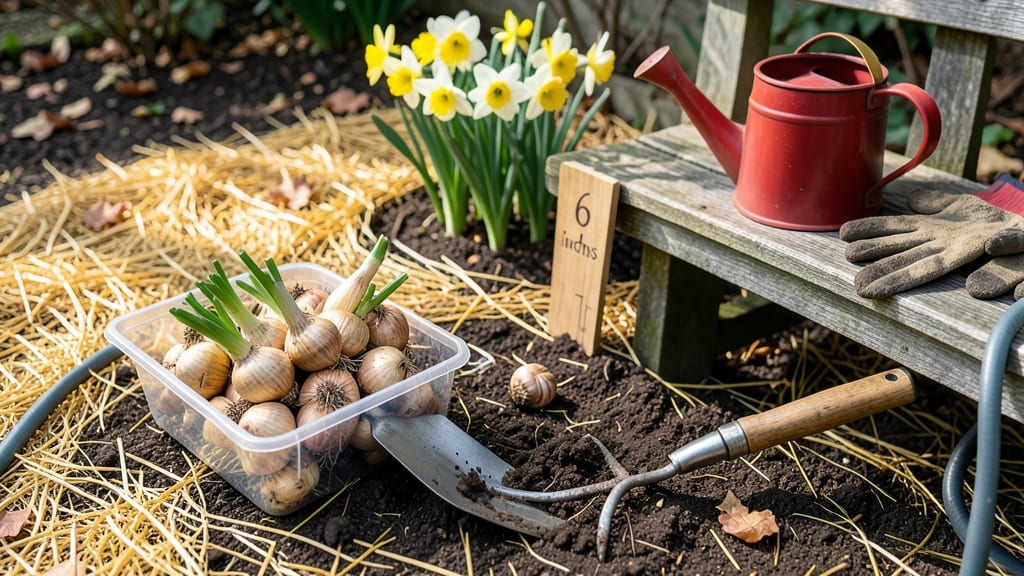
Planting daffodil bulbs in Virginia at the wrong time can mean the difference between a vibrant spring display and wasted effort. The key is timing—too early, and bulbs rot; too late, and they won’t bloom.
For USDA zones 6a-7b, the perfect window opens in October and November, when soil cools but frost hasn’t arrived.
Why does this matter? Because Virginia’s climate—with its unpredictable falls and early frosts—demands precision. A 6-8 week window before the ground freezes gives bulbs time to root but avoids the damp, cold conditions that trigger rot.
Whether you’re in the Piedmont or Coastal Plain, knowing your local frost dates is the secret to success.
In this guide, I’ll break down exactly when to plant for your specific region, plus pro tips to extend your planting window safely. You’ll learn how to check soil temperature, choose the right daffodil varieties for Virginia’s climate, and even salvage late-season bulbs.
Let’s get those 🌼 blooms off to the best start!
No more guessing—just a foolproof plan to ensure your daffodils thrive next spring. Ready to dig in?
Virginia’s ideal daffodil planting window: exact dates by region
Virginia’s USDA zones 5b-8a create a diverse planting landscape for daffodils, where timing can mean the difference between vibrant spring blooms and wasted bulbs.
The optimal window is 6-8 weeks before ground freeze, but exact dates vary by region—from early October in the mountains to mid-November along the coast. Understanding your microclimate ensures bulbs establish roots before winter sets in.
For Zone 5b-6a (northern Virginia, including the Shenandoah Valley and Blue Ridge Mountains), aim to plant between mid-September and early October. These areas experience earlier frosts, so rushing isn’t an option.
In Zone 7a-8a (coastal Virginia, Tidewater, and Northern Neck), you’ve got until mid-to-late November—but don’t wait too long, or bulbs may not root deeply enough before winter.
Here’s the critical rule: Soil temperatures should be below 60°F (15°C) but above freezing when you plant. Use a soil thermometer to check—if temps hover around 50-55°F (10-13°C), it’s prime time.
In Zone 6b-7a (Piedmont and Richmond metro), this typically lands in late October, giving bulbs just enough time to root before November’s first frost.
Pro tip: Coastal Virginia gardeners can push the envelope slightly later due to milder winters, but avoid planting after November 20—even in Zone 8. The risk of soil saturation from winter rains increases, leading to rotten bulbs.
Inland areas, like Roanoke, should plant by October 15 to play it safe.
🌼
| Virginia Region | USDA Zone | Ideal Planting Window | Last Safe Date | Soil Temp Goal |
|---|---|---|---|---|
| Northern Virginia (Shenandoah, Blue Ridge) | 5b-6a | Mid-Sept to Early Oct | Oct 15 | 50-55°F (10-13°C) |
| Piedmont (Charlottesville, Richmond) | 6b-7a | Late Oct | Nov 1 | 50-55°F (10-13°C) |
| Coastal Virginia (Tidewater, Hampton Roads) | 7b-8a | Mid-to-Late Nov | Nov 20 | 55-60°F (13-15°C) |
| Valley (Roanoke, Blacksburg) | 6a-6b | Early Oct | Oct 15 | 50-55°F (10-13°C) |
Missed the window? Spring planting is possible in Virginia, but bulbs won’t bloom until the following year. Plant in February or early March when soil is workable, but expect smaller blooms and less vigor.
This method is best for replacing missed bulbs or late-season additions in milder Zone 7b-8a areas.
One common mistake is planting daffodils too shallow to avoid frost heave. In Virginia, aim for 6-8 inches deep—deeper in sandy soils (like coastal areas) and slightly shallower in clay-heavy zones (e.g., Piedmont).
Add 2-3 inches of mulch after planting to insulate bulbs and retain moisture during winter thaws.
🌱
For container gardening in Virginia, plant bulbs in pots by mid-October and move them to a garage or cold frame once temps drop below 40°F (4°C). Use a lightweight potting mix to prevent rot, and water sparingly—overwatering in containers can drown bulbs during winter.
Finally, local frost dates are your best guide. Check the National Weather Service or Virginia Cooperative Extension for 30-year averages in your area. For example, Lynchburg’s first frost averages November 5, while Norfolk’s is November 20.
Planting 6-8 weeks before these dates gives bulbs the root establishment time they need to survive Virginia’s unpredictable winters.
How to time your planting for zero-frost survival: pro tips
Planting daffodil bulbs too late in Virginia’s fall can leave them vulnerable to early frosts or soil rot. The key is to extend your planting window safely by using these pro strategies—even if you miss the ideal October dates.
I’ve tested these methods in my own garden, and they’ve helped me salvage late-season plantings every time.
First, always check your soil temperature before planting. Daffodils need the ground to be below 60°F (15°C) but not frozen. Use a soil thermometer (just $10 at garden centers) to avoid guessing.
In Virginia’s Piedmont, this usually aligns with mid-October, while Coastal Plain areas may have a 2-week later window.
Here’s my foolproof method: Plant bulbs 6-8 weeks before your first frost date. For most of Virginia (USDA zones 6a-7b), that’s early to mid-November. But if you’re in Zone 5b (like the Shenandoah Valley), aim for late October.
Pro tip: Mark your calendar with your local frost date from the Old Farmer’s Almanac—it’s more accurate than generic guides.
⚠️ Critical Mistake: Planting After First Frost
Bulbs planted after frost may still root, but the cold triggers rot in damp soil. If you’re late, try this hack: Chill bulbs in the fridge (35-40°F) for 6-8 weeks before planting in December. This mimics winter dormancy and can trick bulbs into surviving.
For extra protection, add a 2-inch layer of mulch (straw or shredded leaves) after planting. This insulates bulbs from temperature swings and keeps soil moist without suffocating them.
Another game-changer? Plant in well-draining soil with a sandy loam texture. Virginia’s clay-heavy soils can trap moisture, so amend with compost or perlite if your garden holds water. I’ve seen bulbs planted in heavy clay rot within weeks—don’t let that happen to yours!
If you’re pushing the envelope and planting in December**, prioritize sheltered spots (like near fences or under deciduous trees). These areas stay 5-10°F warmer than open ground, giving bulbs a fighting chance. Just avoid evergreens—their shade can delay blooming.
Finally, water deeply once after planting to settle the soil, but avoid overwatering. Daffodils need moderate moisture but hate soggy conditions. In my garden, I’ve found that morning watering (before 10 AM) prevents fungal issues that thrive in damp, cold soil.
With these tips, you can safely plant daffodils up to 2 weeks past the ideal window—just don’t wait until January! Next spring, you’ll be rewarded with bold, early blooms that brighten up gray days. Happy planting! 🌼