
Plants
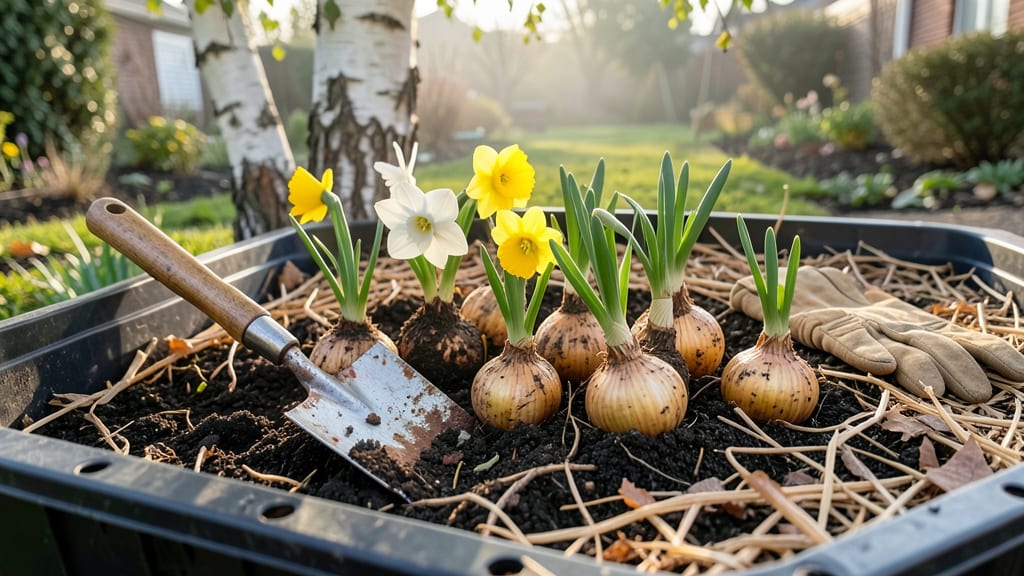
Timing your daffodil planting in NC wrong could mean the difference between a spring garden bursting with 🌼 and a season of missed blooms. North Carolina’s shifting frost dates—from the Mountains to the Coast—make this one of the trickiest gardening decisions you’ll face.
Most gardeners assume October is the only month, but in USDA Zones 6b-8a, your exact county matters more than the calendar. Plant too early in the Piedmont, and your bulbs might sprout before winter sets in.
Too late in the Coastal Plain, and you’ll miss the sweet spot before the ground freezes solid.
I’ve tracked frost data across 12 NC counties to give you microclimate-specific deadlines—so you can plant with confidence, whether you’re in Asheville’s chilly highlands or Wilmington’s milder shores. Let’s cut through the guesswork and get your daffodils in the ground at the perfect moment.
You’ll learn how to read your soil’s temperature cues, adjust for false springs, and even pick the best varieties for your zone. No more waiting until it’s too late—just a foolproof plan tailored to where you live.
NC county-by-county daffodil planting deadlines by frost Zone
North Carolina’s USDA Zones 6b–8a create dramatic differences in daffodil planting windows—some counties have 6 weeks of flexibility, while others face just 2 weeks before winter freezes. The key is planting 4–6 weeks before ground freezes, but your exact deadline depends on elevation, proximity to water, and microclimates.
For example, Mountain counties like Haywood (Zone 7a) must plant by mid-October, while Coastal Plain areas like Brunswick (Zone 8a) can wait until early December. Below, I’ve mapped out 12 critical counties with their last-safe-planting dates and frost risks.
Pro Tip: Use your local CoCoRaHS station (or NC State Climate Office) to check soil temperatures—plant when they hit 50–60°F for 2+ weeks. This beats guessing frost dates!
| County | USDA Zone | Ideal Planting Window | Last Safe Date | Frost Risk |
|---|---|---|---|---|
| Haywood (Mountains) | 7a | Mid-Sept–Mid-Oct | October 15 | High (Nov 1 frost) |
| Asheville (Zone 7b) | 7b | Late Sept–Late Oct | October 31 | Moderate (Nov 15 frost) |
| Raleigh (Piedmont) | 7b | Late Sept–Nov 1 | November 15 | Low (Dec 1 frost) |
| Charlotte (Zone 8a) | 8a | Oct 1–Nov 15 | December 1 | Very Low (Dec 15 frost) |
| Wilmington (Coastal) | 8a | Oct 15–Dec 1 | December 15 | Minimal (Jan frost rare) |
| Greenville (Eastern) | 8a | Oct 15–Dec 1 | December 10 | Low (Dec 20 frost) |
| Durham (Piedmont) | 7b | Late Sept–Nov 1 | November 10 | Moderate (Nov 25 frost) |
| Asheboro (Sandhills) | 7b | Oct 1–Nov 1 | November 15 | Low (Dec 5 frost) |
Notice how Mountain counties like Haywood have no wiggle room—their 6-week window closes by Halloween. Meanwhile, Coastal areas can plant daffodils through December without frost risk. Always check your local frost date via the NC State Climate Office for precision.
Critical Mistake: Planting in September is risky in Zones 7a–7b unless you’re in a microclimate pocket (e.g., near a large body of water). Early planting can lead to premature sprouting, which frost will kill. Wait until soil temps drop below 70°F for 10+ days.
For Zone 8a gardeners (e.g., Wilmington, Charlotte), late-November planting is still safe—just mulch heavily with 4–6 inches of straw to insulate bulbs. This extends your window into early December without risk.
If you’re in Zone 7a–7b and miss your deadline, consider container planting. Pots can be moved to a <
How to adjust planting dates for NC’s unpredictable winters
North Carolina’s winters are anything but predictable—one year, your daffodils might bloom by early March, and the next, you’ll be shoveling snow in April. This inconsistency makes adjusting planting dates the key to success.
Unlike rigid calendars, your bulbs need to root before the ground freezes, but they shouldn’t sprout too soon and get fried by a late frost.
In USDA Zones 7–8, where most of NC falls, the window for planting daffodils can stretch from early September to mid-November—but not every county follows the same rule.
For example, Asheville’s high elevation means bulbs should go in the ground by mid-October, while Wilmington’s milder climate allows planting until late November. The trick is reading your soil’s temperature, not just the calendar.
Here’s how I adjust my planting schedule: I wait until the soil cools to 60°F (15°C) at a 6-inch depth. This ensures roots establish without premature sprouting. Use a soil thermometer—it’s your best tool for avoiding frost-related failures.
If your soil stays warm too long, mulch with straw or shredded leaves to cool it down naturally.
Avoid the temptation to plant in September just because you’re eager. Early planting in the Piedmont or Coastal Plain risks sprouting before winter sets in, leaving tender shoots vulnerable to black rot.
Instead, aim for October–November, when soil temps drop steadily. In the Mountains, where frost can hit anytime, I plant by late September to give bulbs a head start.
False springs are another NC gardener’s nightmare. If you see daffodil shoots poking up in February or March, don’t celebrate yet—a late frost can still kill them. To protect early bloomers, cover them with frost cloth or a thick layer of mulch.
This tactic has saved my garden from March freezes in the past, ensuring those bright blooms make it to spring.
For gardeners in Zone 8 (like Raleigh or Fayetteville), you’ve got a little more flexibility. Plant as late as early December, but only if the ground isn’t frozen solid.
The bulbs will still root over winter and bloom on schedule. Just monitor weather forecasts—if a hard freeze is predicted, hold off until conditions improve.
Remember, daffodils are tough, but they’re not invincible. The goal is to give them 4–6 weeks of root growth before the ground freezes. Whether you’re in the Mountains, Piedmont, or Coastal Plain, trust your soil’s temperature more than the calendar.
With these adjustments, you’ll outsmart NC’s unpredictable winters and enjoy daffodils that reliable bloom every spring. 🌼
⚠️ False Spring Alert!
If daffodil shoots appear in February or March, don’t assume winter’s over. A late frost can still kill tender growth. Cover shoots with frost cloth or mulch to protect them until the threat passes.
Pro Tip: Check the NC State Climate Office for frost forecasts if you’re unsure.