
Plants
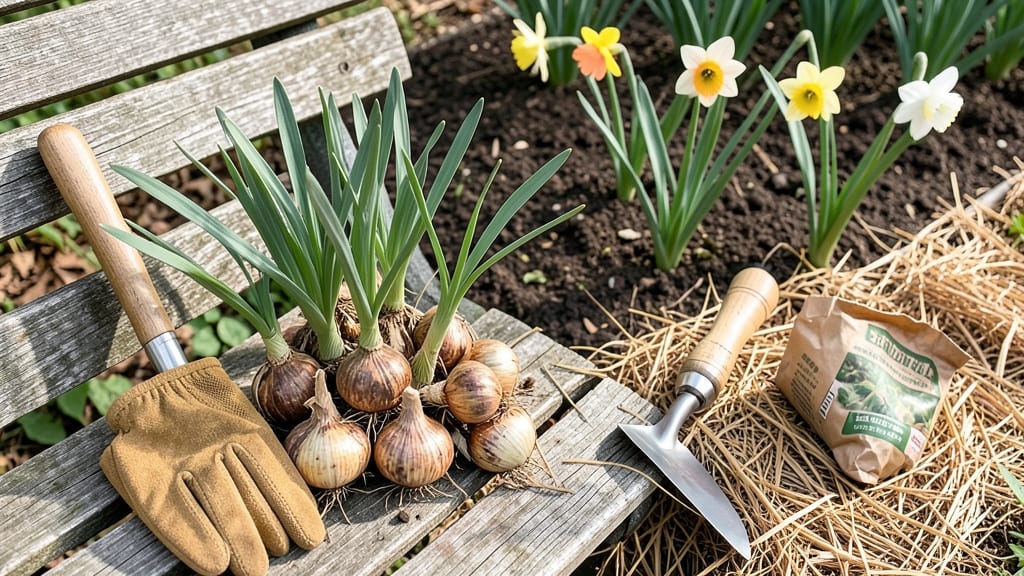
Timing your daffodil planting in Portland, Oregon is the secret to those cheerful 🌼 blooms popping up reliably every spring—no frost surprises included. The city’s mild but unpredictable winters mean one wrong move could leave you waiting for flowers that never come.
But with the right window, you’ll set your garden up for success before the first frost even thinks about paying a visit.
Most gardeners in USDA Zone 8a know fall is the golden season, but Portland’s specific climate demands precision. Planting too early means wasted energy, while waiting too long risks bulbs rotting before winter.
The 6-8 week rule before the ground freezes (usually by mid-November) is your best bet—though local microclimates can shift that timeline by weeks.
What makes Portland’s daffodil timing unique? Rain patterns, urban heat islands, and even your neighborhood’s elevation can change the game. We’ll break down exactly how to adjust for these factors, from soil prep to choosing the right bulb varieties that thrive here.
Whether you’re a first-time gardener or a seasoned pro, these tips will ensure your 🌼 daffodils bloom brighter and earlier than ever.
Ready to skip the guesswork? Let’s dive into the exact months, soil tricks, and local nursery picks that’ll have your garden bursting with color by March—no matter what Portland’s winter throws your way.
Portland’s ideal daffodil planting window: months and temperature rules
Timing your daffodil planting in Portland, Oregon hinges on understanding the city’s unique USDA Zone 8b climate. Unlike colder regions, Portland’s mild winters (average lows of 35–40°F) allow for a longer planting window—but rushing can backfire if bulbs sprout too early and get frostbitten.
The sweet spot? Plant between mid-October and mid-November, when soil temps drop to 50–60°F and frost risk is minimal.
Daffodils need 6–8 weeks of cool soil to establish roots before winter dormancy. In Portland, this means aiming for October 15–November 15, aligning with the city’s average first frost date of November 15.
Planting too early (before September) risks rot, while late plantings (after December) may not root deeply enough before frost. Think of it as a race against Portland’s unpredictable weather—balance is key.
Soil temperature is your best guide: Use a soil thermometer to confirm it’s below 60°F (ideal for root growth). In Portland’s urban heat islands, soil may stay warmer longer, so adjust planting dates 1–2 weeks later in city centers.
Rural areas, with cooler nights, can plant earlier. Always check local frost forecasts from the National Weather Service for real-time adjustments.
🌱 Portland Daffodil Planting Timeline
| Stage | Action | Soil Temp | Frost Risk |
|---|---|---|---|
| Early Sept | Soil prep only | 65–75°F | Low |
| Mid-Oct | Plant bulbs 6" deep | 55–65°F | Moderate |
| Nov 1–15 | Last ideal window | 50–60°F | High |
| Dec | Risky—use mulch | 45–55°F | Very High |
| Jan–Feb | Dormancy | 32–45°F | Frost likely |
Pro tip: Portland’s rainy fall season means soil stays moist longer, which can delay root establishment. If you plant in October, add a 1-inch layer of mulch (straw or shredded leaves) to insulate bulbs and retain moisture.
Avoid organic mulches like wood chips, which can mat down and suffocate emerging shoots. For November plantings, opt for straw mulch—it breathes better and protects against light frosts.
Here’s how to calculate your exact planting window: Subtract 6–8 weeks from your area’s average first frost date. In Portland’s urban core (e.g., Downtown), frost hits November 20–December 5, so aim for September 25–October 15.
In rural areas (e.g., Hillsboro), frost arrives November 10–20, pushing your window to October 15–November 10. Use the Old Farmer’s Almanac for localized frost predictions.
One common mistake? Planting daffodils too shallow (less than 6 inches deep) in Portland’s clay-heavy soils. Bulbs need depth to anchor and avoid heaving during freeze-thaw cycles. Amend soil with compost or sand to improve drainage, especially in low-lying areas prone to winter waterlogging.
A quick soil test (pH 6.0–7.0) ensures bulbs won’t struggle with nutrient uptake.
For container gardening in Portland, plant daffodils in October–November too, but use well-draining pots with a minimum 8-inch depth. Move containers to a protected spot (e
How to adjust planting timing for Portland’s microclimates and frost patterns
Portland’s diverse neighborhoods create microclimates that shift frost dates by weeks—meaning your West Hills garden might be safe for December planting while Downtown still faces risks. Understanding these variations lets you fine-tune your schedule for zero-frost blooms every spring.
Urban areas like Pearl District often experience earlier frosts due to concrete heat absorption, while rural areas near Wilsonville stay warmer longer. Always check your local frost date—Portland’s average first frost is March 15**, but upland zones can freeze as early as February 20.
| Microclimate | Last Safe Planting Date | Frost Risk Adjustment |
|---|---|---|
| Urban (Downtown, Pearl) | November 15 | Use mulch blankets (3-4") for Dec plantings |
| Suburban (Beaverton, Hillsdale) | December 1 | Stagger plantings—early Nov for early bloomers |
| Rural (Wilsonville, Canby) | December 15 | No protection needed—soil stays warmer |
| Upland (West Hills, St. Johns) | November 1 | Plant early varieties (e.g., 'Tête-à-Tête') |
For December plantings, use straw mulch (6+ inches) to insulate bulbs—this raises soil temps by 5-10°F and prevents frost heave. Test your soil’s readiness by pushing a trowel in easily; if it resists, wait until temps drop below 60°F consistently.
Protect vulnerable areas with frost cloth (30g weight) over newly planted beds. Secure edges with bricks or landscape pins to prevent wind damage. Remember: Portland’s rain can saturate soil—plant in well-draining areas to avoid bulb rot.
If you miss the window, don’t panic! Container-grown daffodils can handle light frosts better than bulbs. For late plantings, choose hardy varieties like 'Fortune' or 'Minnow'—they tolerate colder soils and still bloom reliably.
Track your garden’s unique patterns by marking first frost dates each year. Over time, you’ll spot trends—like 2023’s early February freeze—and adjust your schedule accordingly for consistent spring color.