
Plants
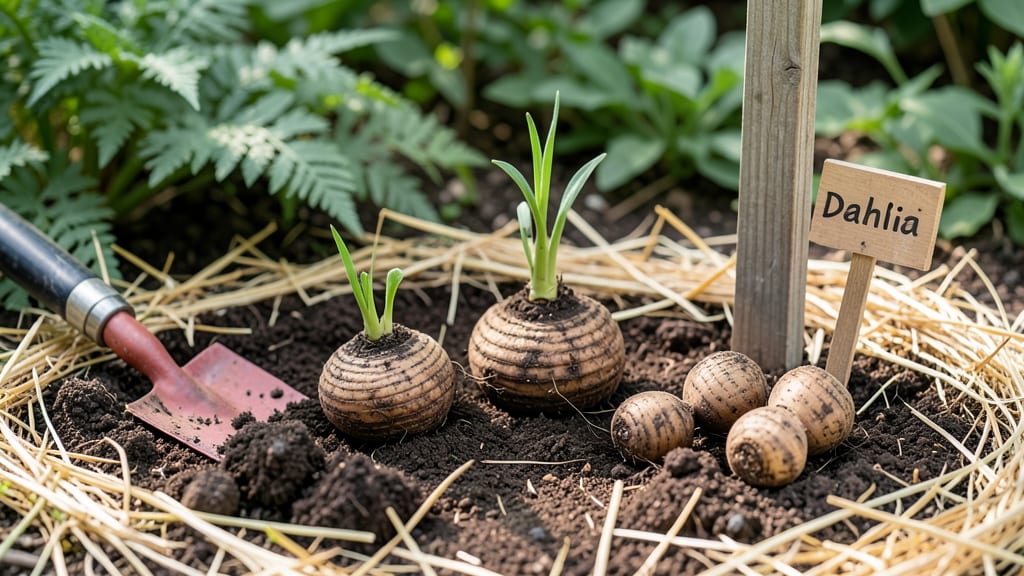
Planting dahlia bulbs in Massachusetts at the wrong time means missing out on those stunning 🌼 blooms that light up gardens from July to frost. The key to success lies in waiting until after the last frost—typically late April to mid-May—when soil temperatures rise above 55°F.
Why does timing matter so much? Because dahlias are frost-sensitive, and planting too early risks bulb rot or stunted growth. But don’t worry—even if your last frost lingers, there are smart workarounds for USDA Zone 5b-6b gardeners to ensure vibrant blooms all season.
In this guide, I’ll break down the exact planting window for your region, soil prep secrets, and how to extend your dahlias’ beauty well into fall. Whether you’re a first-time gardener or a seasoned pro, these tips will help you avoid common mistakes and maximize your blooms.
Ready to transform your garden? Let’s dive into the perfect planting schedule and care routine for dahlias that will wow your neighbors—and keep coming back year after year.
Massachusetts dahlia planting deadlines by last frost date (zone 5)
Massachusetts’ USDA Zone 5 climate demands precision when planting dahlia bulbs. The last average frost date across the state typically falls between April 15 (eastern MA) and May 1 (western MA).
Planting too early risks frost damage, while waiting too late cuts bloom time. Here’s your region-specific schedule to maximize 165 frost-free days of dahlia glory.
For central Massachusetts (Worcester, Springfield), aim to plant between April 25 and May 10.
This window accounts for late frosts while ensuring tubers have time to establish roots before summer heat arrives. Eastern MA (Boston, Cape Cod) can start slightly earlier—April 15-25—thanks to coastal microclimates that warm faster.
Western MA (Pittsfield, Northampton) should wait until May 1-15 due to higher elevations and colder nights. Urban gardeners in cities like Boston or Worcester may experience 2-3°F warmer microclimates near buildings, allowing a 3-5 day earlier planting window. Always check your local Massachusetts Climate Averages for adjustments.
Soil temperature is critical—dahlia tubers need 60°F+ soil to sprout. Use a soil thermometer to confirm readiness. In cooler years, consider black plastic mulch or row covers to warm the soil faster. Never plant before May 1 in western MA unless you’re using protective measures.
🌱 Massachusetts Dahlia Planting Deadlines by Region
| Region | Last Frost Date | Ideal Planting Window | Soil Temp Requirement | Backup Window |
|---|---|---|---|---|
| Eastern MA (Boston, Cape Cod) | April 15 | April 20-May 5 | 60°F+ | May 10 (with row covers) |
| Central MA (Worcester, Springfield) | April 25 | April 30-May 10 | 60°F+ | May 15 (black plastic mulch) |
| Western MA (Pittsfield, Northampton) | May 1 | May 5-15 | 60°F+ | May 20 (greenhouse start) |
💡 Pro Tip: Use Massachusetts’ last frost date calculator (UMass Extension) for your exact location.
If late frosts delay your planting, consider container growing. Dahlias thrive in 5-gallon pots with well-draining mix, allowing you to move them indoors during cold snaps. Start containers 4-6 weeks before your region’s ideal window to give roots a head start.
For short-season gardeners, prioritize early-blooming varieties like ‘Café au Lait’ or ‘Bishop’. These varieties mature in 90-100 days, giving you blooms even if planted at the latest recommended date. Always label your tubers to track varieties and planting dates.
Missed the ideal window? Don’t panic. June planting is possible with daily watering and shade cloth during hot afternoons. While blooms may arrive later, you’ll still enjoy summer-to-frost color. Just reduce expectations for full-size flowers.
Track your local frost dates using Massachusetts’ USDA Plant Hardiness Map or apps like Frost Date Finder. Adjust your schedule yearly—climate change has shifted MA’s frost dates earlier by 2-3 weeks in some areas. Stay flexible and observe your garden’s unique microclimate.
🌼 Key Takeaway: Plant dahlias in Massachusetts between April 20 and May 15, with regional adjustments. Soil temperature matters more than calendar dates—always verify with a thermometer before planting.
How to prepare dahlia bulbs for Massachusetts planting (step-by-step)
Preparing dahlia bulbs correctly is half the battle for Massachusetts gardeners. Since dahlias thrive in warm soil (60°F+) and hate cold, wet conditions, proper pre-planting steps ensure strong, healthy growth. Start by examining your bulbs—look for firm, plump tubers with multiple "eyes" (growth points).
If you bought bulbs in late winter or early spring, they likely need pre-chilling to break dormancy. Store them in a cool (40-50°F), dark place (like a garage) for 8-12 weeks
For large tubers (over 2 inches), consider cutting them into smaller sections. Each piece should have at least one eye and a 1-inch stem attachment. Let the cut surfaces dry and callous over for 24-48 hours before planting to prevent rot. Store tubers in a cool, dark place (40-50°F) for 8-12 weeks before last frost. Divide tubers with 2+ eyes per section. Let cuts dry for 24-48 hours. Optional: Soak bulbs in neem oil or copper fungicide for 10 minutes to prevent rot. Amend garden beds with compost and perlite for well-draining, fertile soil (pH 6.5-7.0). If starting indoors, move pots outside during daytime (60°F+) for 1 week before transplanting. Massachusetts’ variable spring weather can make soil prep tricky. Test your soil’s drainage by digging a 12-inch hole—if water pools after 30 minutes, amend with sand or coconut coir. Dahlias hate soggy roots, so raised beds or containers are great options for heavy clay soils common in western MA. For gardeners with short seasons, consider starting bulbs indoors 6-8 weeks before last frost. Use biodegradable pots to transplant directly into the garden, minimizing root disturbance. Place pots in a sunny window or under grow lights and keep soil consistently moist until outdoor conditions stabilize. Finally, mark your planting spots with stakes or flags—dahlias take 6-8 weeks to emerge, and you’ll want to avoid disturbing the soil. Once planted, mulch heavily (3-4 inches) with straw or shredded leaves to retain moisture and regulate soil temperature.