
Plants
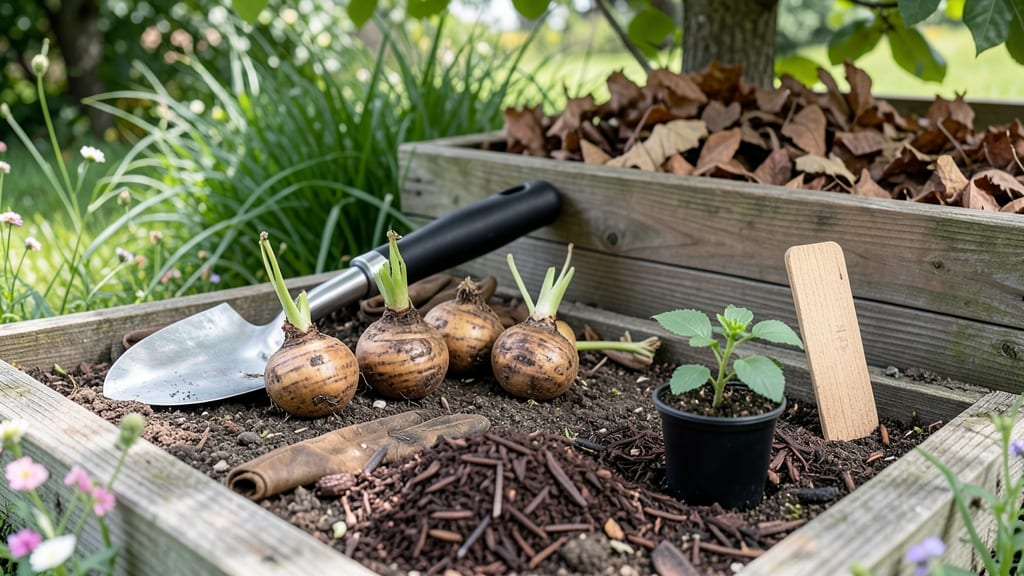
If you’ve ever wondered when to plant dahlias in Maine and watched your 🌼 wilt from a late frost or bolt before blooming, you’re not alone—Maine’s unpredictable weather makes timing everything.
The difference between a stunning summer display and a sad, stunted plant often comes down to planting just after the last frost, when soil warms to 60°F and risks drop to near zero.
For Maine gardeners in zones 5b-6b, mid-May to early June is your sweet spot—but that’s not a one-size-fits-all rule. Coastal areas like York might be frost-free by May 10, while inland spots like Aroostook could wait until June 1.
The key? Know your county’s average last frost date and adjust for microclimates.
Here’s what you’ll learn: how to time your dahlias for zero frost risk, whether to pre-sprout tubers indoors, and the 3-step post-planting care routine that keeps your blooms thriving until October. Let’s get those 🌼 roots in the ground the right way.
No more guessing games—just data-driven planting windows tailored to Maine’s diverse climate. Ready to turn your garden into a dahlia paradise?
Maine’s frost-free dates by county: when to plant dahlias without risk
Maine’s diverse climate means dahlias thrive in different counties at different times. While southern regions like York County can plant tubers by mid-May, northern areas like Aroostook County often wait until early June.
Understanding your last frost date is critical—planting too soon risks frost damage, while waiting too long may cause bolting before blooms appear.
Dahlias need 60°F soil temperatures to sprout reliably. In most of Maine, this aligns with late May to early June, but microclimates (like coastal areas) can shift these windows by 1-2 weeks. Always check your USDA Zone (5b-6b) for precision, as elevation plays a role in frost timing.
Here’s your county-by-county breakdown of frost-free averages, planting windows, and key adjustments for Maine’s varied growing conditions:
| County | Last Frost Date (Avg.) | Planting Window | Soil Temp Goal | Notes |
|---|---|---|---|---|
| York | May 5-10 | Mid-May (May 15-20) | 60°F | Coastal areas warm faster; monitor soil. |
| Cumberland | May 10-15 | Late May (May 20-25) | 60°F | Urban heat islands may allow earlier planting. |
| Androscoggin | May 15-20 | Early June (June 1-5) | 60°F | Higher elevation delays warming; wait for soil. |
| Piscataquis | May 25-June 1 | Early June (June 5-10) | 60°F | Northern forests slow soil warming; use row covers. |
| Aroostook | June 1-10 | Mid-June (June 10-15) | 60°F | Latest frost risk; consider container growing. |
For coastal counties like York and Cumberland, soil warms faster due to maritime influence, allowing earlier planting. Inland areas like Androscoggin and Piscataquis may need to wait until early June to avoid frost. Aroostook County gardeners should plan for mid-June planting or use protective measures.
Use a soil thermometer to confirm readiness—60°F is non-negotiable for tuber sprouting. If your county isn’t listed, check the Maine State Climate Office for local averages or use the USDA Plant Hardiness Map to estimate your zone’s last frost.
Pro tip: Stagger planting by 1-2 weeks if you have multiple varieties. This extends your bloom season from July through October, ensuring continuous color even if early frosts strike. For example, plant ‘Café au Lait’ (early bloomer) first, followed by ‘Galaxy’ (late-season performer).
Remember, dahlias hate cold soil. If you’re unsure, wait an extra week—your plants will thank you with healthier stems and bigger blooms. And if you’re in a high-elevation microclimate, like the Moxie Mountains, add 10-14 days to the average frost date for safety.
Once planted, mulch heavily with straw or shredded leaves to insulate roots and retain moisture. This is especially critical in Maine’s humid summers, where consistent moisture prevents bolting and ensures vibrant blooms.
For container growers, use black plastic pots to absorb heat and plant 2 weeks earlier than in-ground dahlias. Just ensure pots have drainage holes and are placed in full sun—containers heat up faster and can help extend the season in cooler areas.
Finally, mark your planting date on a garden journal. Over time, you’ll notice patterns in your microclimate that may shift the ideal window by a week or two. Maine’s weather is unpredictable, but with this guide, you’ll minimize risks and maximize those show-stopping dahlias! 🌼
How to prep dahlias for Maine’s short growing season: soil, hardening, and spacing tips
Maine’s acidic, clay-heavy soil and short growing season demand extra prep work before planting dahlias. Start by testing your soil’s pH—dahlias thrive in 6.0-7.0 range. If your soil is too acidic (<5.5), amend it with lime or compost 4-6 weeks before planting to give the soil time to adjust.
Next, focus on soil drainage. Dahlias hate soggy roots, so mix in organic matter like compost or aged manure to improve aeration. For heavy clay soils, consider raised beds or mounded planting areas to prevent waterlogging during Maine’s frequent spring rains.
🌱
| Task | When to Do It | Maine-Specific Tip |
|---|---|---|
| Test soil pH | 4-6 weeks before planting | Use a digital pH meter for accuracy |
| Amend soil | 4-6 weeks before planting | Add 2-3 inches of compost to clay soils |
| Pre-sprout tubers | Late March to April | Use grow lights for 12+ hours/day |
| Hardening off | 2 weeks before outdoor planting | Start with 2 hours/day outside |
| Plant tubers | After last frost (mid-May to June) | Space 12-24 inches apart based on variety |
If you’re planting tubers directly (no pre-sprouting), wait until the soil reaches 60°F—use a soil thermometer to check. For pre-sprouted tubers, harden them off gradually over 2 weeks to prevent shock when moving outdoors. Start with 2 hours/day in partial shade, then increase exposure.
Spacing is critical in Maine’s windy conditions. Dwarf varieties need 12 inches between plants, while tall varieties should have 24 inches of clearance. Stake or cage your dahlias immediately after planting to prevent wind damage, especially in exposed coastal areas.
Mulch heavily with straw or shredded leaves after planting to retain moisture and regulate soil temperature. In northern Maine, consider black plastic mulch to warm the soil faster—this can shave 1-2 weeks off your planting timeline.
Finally, protect young plants with row covers if frost threatens after planting. Even a light frost can damage tender dahlia foliage, so keep an eye on your local forecast and be ready to cover plants quickly.
✂️