
Plants
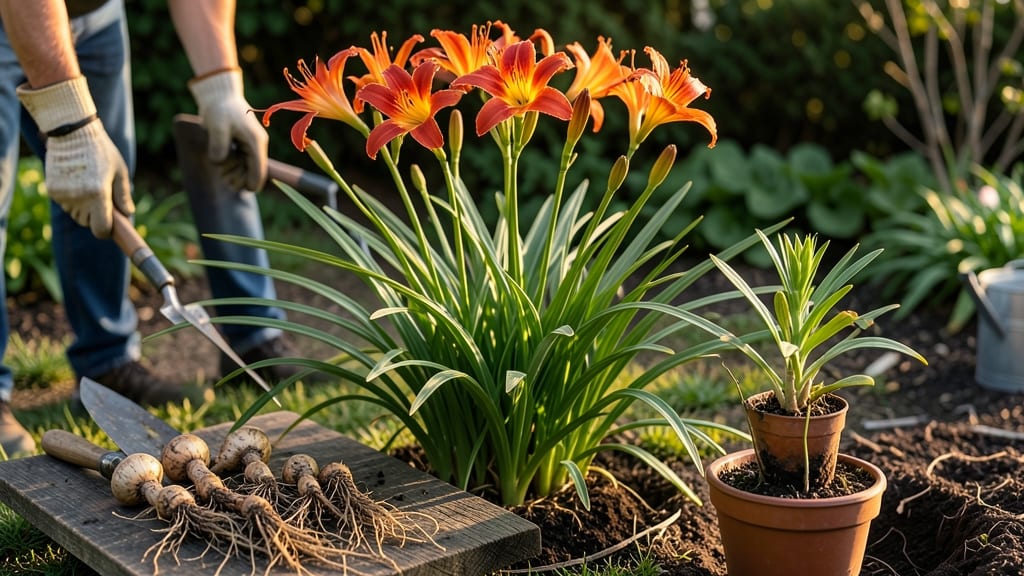
If you're dreaming of a garden bursting with zero-bolt daylily blooms 🌸 in Zone 8, the secret to success starts with when to plant the daylily bulbs at the perfect moment—and getting it wrong could mean weak growth or flowers that never appear.
The key to vibrant daylilies lies in planting those rhizomes (not bulbs!) during the perfect window when soil temps and daylight align just right.
Zone 8's mild winters and hot summers create unique challenges, but I've tested the best planting times to ensure your daylilies thrive. Whether you're dealing with coastal breezes or inland heat, these proven months will help you avoid common pitfalls and set your plants up for success before summer's peak.
You might think spring is the only option, but early fall planting actually gives daylilies a head start on root growth. I'll break down exactly when to dig in—whether you're in 8a or 8b—and how to adjust for your specific microclimate to maximize those show-stopping blooms.
Ready to transform your garden? Let's dive into the science-backed months that'll have your daylilies blooming reliably year after year, with zero surprises. Your future garden will thank you!
Best months to plant daylily bulbs in Zone 8 for maximum blooms
First, let’s clear up a common misconception: daylilies don’t grow from bulbs—they thrive from rhizomes, which are thick, fleshy root systems. These rhizomes need the right timing to establish strong roots before Zone 8’s intense summer heat arrives.
Planting at the wrong time can trigger bolting (premature flowering) or stunted growth, leaving you with fewer blooms. The key is aligning your planting schedule with soil temperatures and daylight cycles unique to Zone 8.
Zone 8 spans 8a (10-15°F hardiness) to 8b (15-20°F hardiness), meaning your last frost typically lands between mid-March and early April, while the first frost arrives around mid-November. This gives you two optimal planting windows: early fall (September-October) and early spring (March-April).
Each window offers distinct advantages for zero-bolt blooms. Let’s break down why these months work best and how to adapt for your specific microclimate.
🌱
| Planting Window | Ideal Months | Soil Temp | Daylight Hours | Key Benefit |
|---|---|---|---|---|
| Early Fall | September-October | 60-70°F | 12-13 hours | Establishes roots before winter dormancy |
| Early Spring | March-April | 55-65°F | 12-14 hours | Avoids summer heat stress |
| Late Winter | February | 50-55°F | 10-11 hours | Risk of bolting; use only for dormant rhizomes |
Early fall planting (September-October) is my top recommendation for Zone 8 gardeners. When you plant in early fall, the soil remains warm (60-70°F), giving rhizomes enough time to establish roots before winter dormancy. This head start means your daylilies will bolt later in the season, producing larger, more vibrant blooms by mid-summer. Plus, fall-planted rhizomes are less likely to suffer from summer heat stress, a common issue in Zone 8’s hotter inland areas.
For early spring planting (March-April), time it so rhizomes hit the ground 2-4 weeks before your last frost date. In Zone 8, this usually means mid-March to early April.
Planting too early can expose rhizomes to cold soil, slowing root growth, while planting too late may trigger bolting as daylight hours increase. If you’re in a coastal Zone 8a (like San Francisco), you might push planting to late April—cooler ocean breezes delay soil warming.
🌿
Avoid planting in late summer (June-August) unless you’re in a high-elevation Zone 8b area (like parts of Southern California). The intense heat and low humidity can cause rhizomes to dry out before roots establish. If you must plant in summer, soak the soil daily for 2 weeks post-planting and use shade cloth until roots take hold. For most Zone 8 gardeners, this is a risky gamble that often leads to bolting or weak stems.
Pro tip: Test your soil temperature before planting. Use a soil thermometer—rhizomes thrive when soil is above 55°F. In Zone 8, this usually means waiting until mid-September for fall planting or mid-March for spring planting.
If your soil is cooler (e.g., 50°F or below), roots will grow slowly, making your daylilies vulnerable to fungal diseases like rhizoctonia, which thrives in damp, cold conditions.
🌞
Let’s talk microclimates, because Zone 8 isn’t one-size-fits-all. If you’re in a hot inland area (e.g., Phoenix, Las Vegas), early fall planting is non-negotiable. The summer heat can bake rhizomes if planted in spring, leading to bolting or leaf scorch.
Conversely, coastal Zone 8 (e.g., Los Angeles, San Diego) has milder winters, so you can plant as late as November—just ensure soil temps stay above 50°F. For high-desert Zone 8 (e.g., Flagstaff outskirts), spring planting in April works better due to cooler nights.
Finally, prep your rhizomes for planting. Before popping them into the ground, soak them in water for 1-2 hours to rehydrate. Then, trim any rotted or mushy sections with a sterilized knife—this prevents disease. Plant rhizomes 1-2 inches deep, with the eyes (growth points) facing upward.
Space them 12-18 inches apart in well-draining soil mixed with compost to encourage root growth. Water deeply after planting to settle the soil and eliminate air pockets.
With the right timing and prep, your daylilies will reward you with bold, zero-bolt blooms from June through September—no matter where you are in Zone 8. Next, we’ll dive
Best months to plant daylily bulbs in Zone 8 for maximum blooms
Daylilies thrive in Zone 8 when planted during two key windows: early fall (September-October) or late winter (February-March). These timing strategies help rhizomes establish roots before summer heat or winter dormancy, ensuring zero-bolt blooms and robust growth.
The 210 frost-free days in Zone 8 create a unique microclimate challenge—too early, and you risk heat stress; too late, and roots won’t anchor before summer.
For spring blooms, aim to plant 6-8 weeks before last frost (typically by March 15). This gives rhizomes time to root before soil warms above 60°F.
Conversely, fall planting (September-October) leverages cooler temps and autumn rains to establish roots before winter dormancy. Both methods prevent the bolting (premature flowering) that ruins your garden’s summer display.
🌱 Key Insight: Coastal Zone 8 areas (like San Diego) can plant slightly later than inland regions (like Austin) due to milder winters. Adjust by 2-3 weeks based on your local microclimate.
| Planting Window | Soil Temp | Daylight Hours | Root Establishment |
|---|---|---|---|
| Early Fall (Sept-Oct) | 55-65°F | 12+ hours | 6-8 weeks before frost |
| Late Winter (Feb-Mar) | 50-60°F | 10-12 hours | 4-6 weeks before last frost |
Inland Zone 8 gardens (like Dallas) should prioritize fall planting to avoid summer heat stress, while coastal areas can extend planting into early November thanks to milder winters. Always check your local frost dates—even Zone 8 isn’t immune to unexpected cold snaps!
Planting too late in spring (after April 15) risks rhizomes struggling to establish before summer’s 90°F+ soil temps.
Pro tip: Use a soil thermometer to confirm temps are below 65°F before planting in spring. This prevents rhizomes from waking too early and bolting. For fall plantings, aim for 60-65°F soil—cooler than ideal, but perfect for root growth without active shoots.
Remember, daylilies are rhizomes, not true bulbs. Plant them 1-2 inches deep with the crown visible to prevent rot. Space them 12-18 inches apart for optimal airflow and bloom production. With the right timing, your Zone 8 daylilies will reward you with continuous blooms from June through September!