
Plants
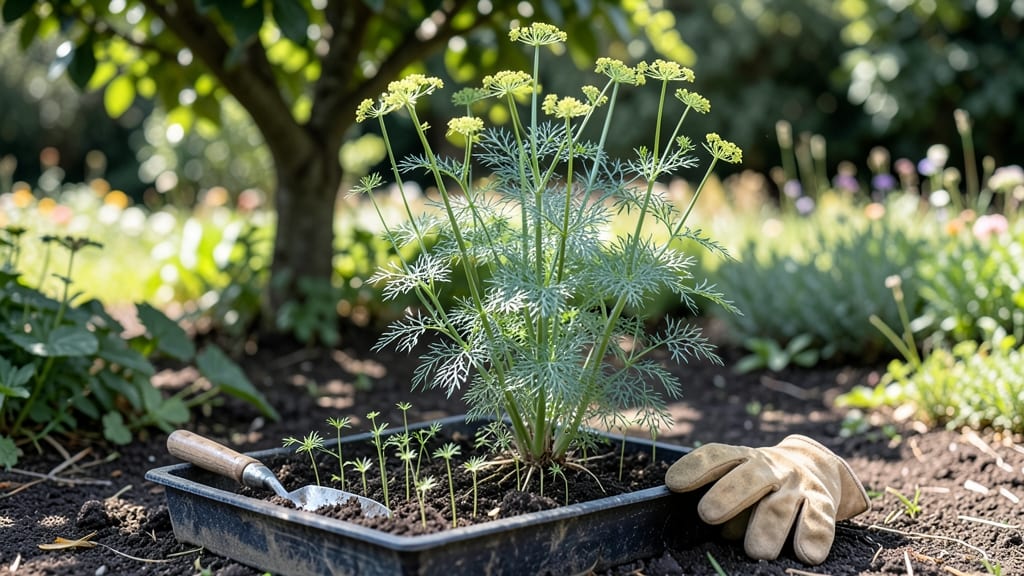
Timing your dill planting in Oregon isn't just about the calendar—it's about dodging the 7b-9a zone's sneaky temperature swings that turn your herb into bitter, bolted disappointment.
Whether you're growing 🌿 dill for pickles or fresh salads, getting those seeds in the ground too early or too late can ruin your harvest before it even starts.
I've learned the hard way that Oregon's microclimates—from foggy coastal areas to sunbaked high desert—demand precision. Plant too soon, and frost will nip your young seedlings. Wait too long, and your dill will bolt before you even get to harvest those fragrant leaves.
The key is knowing exactly when to start seeds indoors or when to sow directly, depending on where you live in the state.
What you're about to discover are the exact deadlines that separate successful dill gardens from disappointing ones. We'll cover both spring and late summer planting windows, plus how to adjust for Portland's mild springs or Bend's hotter summers.
By the end, you'll know when to plant for maximum flavor and minimal bolting—no guesswork required.
Let's cut through the confusion and get your dill thriving with Oregon-specific timing that actually works. Your taste buds (and your pickling projects) will thank you.
Oregon’s 3 dill planting zones: coastal, Willamette Valley & high desert timelines
Oregon’s microclimates create three distinct zones for planting dill, each with unique frost dates and ideal planting windows. Whether you’re in coastal fog, the Willamette Valley, or the high desert, timing is critical to avoid bolting or frost damage.
Let’s break down the exact months for each zone to maximize your harvest.
First, check your USDA Zone—Oregon spans Zone 7b to 9a. Coastal areas (like Astoria) are cooler, inland valleys (like Portland) are moderate, and high deserts (like Bend) can be 10°F warmer. These differences shift planting deadlines by weeks, so don’t guess—use the zone-specific timeline below.
🌱 Pro Tip: Dill seeds germinate best in 60-70°F soil. Coastal areas may need to wait until late April, while high deserts can start as early as mid-March. Always plant seeds directly in the garden—dill hates transplanting.
For spring planting, aim to sow seeds 2-3 weeks before your last frost date. In the Willamette Valley, that’s mid-March, while coastal gardeners should wait until late April.
High desert areas can start as early as mid-March, but be prepared for sudden cold snaps with row covers.
If you’re planting in fall, focus on late summer (July–August) to give dill time to mature before first frost. Coastal areas can extend planting into mid-September, but high deserts should finish by mid-August to avoid heat stress. Always choose slow-bolting varieties like ‘Fernleaf’ for fall success.
One common mistake? Planting too early in cooler zones and risking frost damage. Use a soil thermometer to confirm 60°F+ soil temps before sowing. For high deserts, prioritize even moisture—dill bolts faster when stressed by dry conditions.
🌿 Zone-Specific Success: In Portland, I’ve had the best luck with succession planting every 2 weeks from March to May. This ensures a continuous harvest and minimizes bolting risks from Oregon’s unpredictable spring warm-ups.
For container growing, adjust timelines by 1-2 weeks earlier since pots warm faster. Place containers in south-facing spots and use black plastic mulch to accelerate soil warming. Just remember: dill needs depth—use at least 12-inch-deep pots for healthy roots.
Finally, mark your calendar for harvest deadlines:
- Spring plantings: Harvest June–July before seeds form.
- Fall plantings: Harvest September–October before frost hits.
Use scissors to snip leaves—never pull them—to encourage bushier growth.
How to avoid dill bolting: temperature tricks for Oregon’s unpredictable spring
Dill’s #1 enemy in Oregon isn’t pests—it’s bolting, triggered when soil temps hit 60°F for more than a few days. I’ve watched my carefully nurtured dill go from lush green to bitter, flower-stalked disappointment because I ignored this temperature threshold.
The key? Understanding Oregon’s unpredictable spring warm-ups and how to outsmart them.
Most gardeners assume dill is a cool-season crop, but in reality, it’s a warm-season herb that bolts when it gets too hot too fast. Oregon’s USDA Zones 7b-9a mean your coastal Portland garden might stay cool while Bend’s high desert warms up rapidly.
The solution? Planting strategies that delay bolting while still giving your dill enough warmth to thrive.
Here’s my 3-step bolting prevention system that’s saved my harvests year after year:
Bolting Warning Signs
Once your dill stretches upward rapidly or yellows at the base, it’s too late. The flowers may look pretty, but the leaves become bitter and stringy—perfect for garnish, but useless for cooking.
First, choose cold-hardy varieties like ‘Bouquet’ or ‘Fernleaf’ that tolerate Oregon’s slow spring warm-ups. These varieties take 10-14 days longer to bolt than standard dill, giving you that extra buffer when Portland’s 50°F mornings suddenly turn into 70°F afternoons.
Second, use shade cloth during Oregon’s April-May transition. A 30-50% shade cloth can drop soil temps by 10-15°F, keeping your dill in that ideal 55-65°F range. I’ve seen shade cloth extend the harvest window by 3-4 weeks in my Zone 8b garden. Just
Finally, try succession planting every 2-3 weeks from mid-April to early June. This way, you always have fresh dill coming in while older plants bolt. I plant my first batch in late April (when soil temps hit 50°F consistently), then add 2-3 more batches through May. By early July, even my earliest plants are bolting, but I’ve already got new growth ready for harvest.
With these tricks, you’ll avoid the bitter bolting that ruins so many Oregon gardens. Your dill will stay lush, your pickles will taste fresh, and you’ll finally get that perfect herb harvest you’ve been dreaming of. 🌿