
Plants
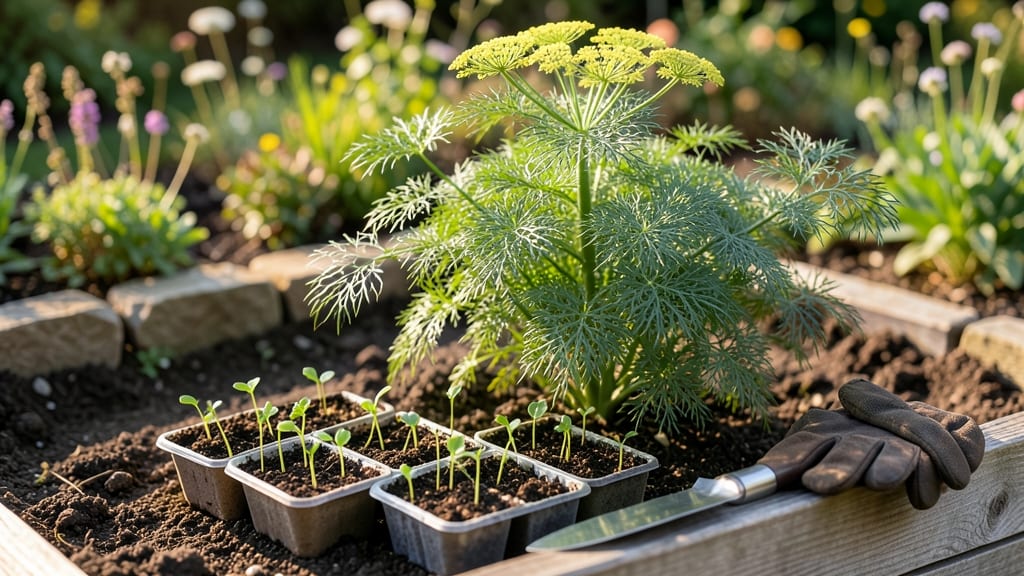
Timing your dill planting in Texas can mean the difference between a thriving 🌿 herb garden and a sad, wilted disappointment. The key isn't just about avoiding frost—it's about mastering the state's brutal summer heat and knowing exactly when to start seeds for those perfect spring and fall harvests.
Texas gardeners in zones 8a-10b face unique challenges, from early North Texas frosts to scorching Gulf Coast summers. But with the right start dates—like late winter for spring crops or late summer for fall—you can grow dill that's bushy, aromatic, and ready to harvest when you need it most.
I've tested the best planting windows across Texas regions, from the High Plains to the Hill Country, so you don't have to guess. Whether you're growing dill for pickles, soups, or fresh garnishes, these exact timing tips will help you avoid common mistakes and maximize your harvest.
Let's dive into the precise planting schedule that works for Texas' climate—plus the heat-resistant varieties that'll keep growing even when temperatures soar. Your perfect dill harvest starts here.
Best planting times for dill in Texas by region (heat Zones 8-10)
Texas spans USDA Hardiness Zones 8a-10b, meaning frost dates vary wildly—from February 15 in North Texas to January 31 in the Gulf Coast. Dill thrives in cool seasons but wilts under summer heat over 95°F.
The key? Plant in late winter/early spring for spring harvests or late summer for fall crops.
Timing isn’t one-size-fits-all. North Texas gardeners (Zones 8a-8b) face earlier frost risks than South Texas (Zones 9a-10b). Even Central Texas and the Hill Country have microclimates where 10°F temperature swings can ruin a crop if planted too early.
Here’s the region-specific breakdown you need to avoid bolt-inducing heat or frost damage:
| Region | USDA Zone | Last Frost Date | Spring Planting Window | Fall Planting Window | Harvest Window |
|---|---|---|---|---|---|
| North Texas (High Plains) | 8a-8b | Feb 15 - Mar 1 | Mar 1 - Apr 15 | Aug 15 - Sep 15 | Apr 30 - Jun 15 (Spring) / Oct 1 - Nov 15 (Fall) |
| North Texas (Dallas/Fort Worth) | 8a-8b | Feb 20 - Mar 5 | Mar 10 - Apr 10 | Aug 1 - Sep 10 | May 1 - Jun 30 (Spring) / Sep 20 - Nov 10 (Fall) |
| Central Texas (Austin/San Antonio) | 8a-9a | Jan 31 - Feb 15 | Feb 20 - Mar 30 | Jul 20 - Aug 20 | Apr 15 - Jun 15 (Spring) / Sep 1 - Nov 1 (Fall) |
| Hill Country | 8a-8b | Feb 10 - Mar 1 | Mar 1 - Apr 10 | Aug 10 - Sep 10 | Apr 15 - Jun 10 (Spring) / Sep 20 - Oct 31 (Fall) |
| Gulf Coast (Houston/Beaumont) | 9a-10b | Jan 31 - Feb 10 | Feb 15 - Mar 15 | Jul 15 - Aug 30 | Mar 15 - May 15 (Spring) / Sep 1 - Nov 15 (Fall) |
Notice how Gulf Coast gardeners can plant earlier in February while North Texas must wait until mid-March? That’s the 10°F temperature difference at play. Central Texas sits in the sweet spot, allowing two harvests per year if timed right.
For fall crops, aim to plant 8-10 weeks before your first frost. In North Texas, that’s August 15; in South Texas, you’ve got until September 15. Succession planting every 2-3 weeks in fall ensures a continuous harvest until frost.
Pro tip: Use shade cloth (30-50%) if planting in late spring (April-May) to protect seedlings from sudden heat spikes. Even heat-resistant varieties struggle when temps hit 90°F+ before establishing roots.
Texas’ long growing season (240+ frost-free days) lets you grow dill year-round with the right timing. Spring plantings give you April-June harvests, while fall plantings extend yields until November. Miss these windows, and you’ll be left with bolted, bitter dill or frost-killed plants.
Next up: Heat-resistant dill varieties that won’t wilt under Texas summers—and where to buy seeds from Texas-based suppliers to ensure localized success.
Best planting times for dill in Texas by region (heat Zones 8-10)
Texas’ diverse climate means dill planting times vary dramatically from the High Plains to the Gulf Coast. In North Texas (Zone 8a), where last frosts hit around February 15, start seeds indoors by January 15 or direct-sow after March 1.
Meanwhile, South Texas (Zone 10a) can plant year-round, but peak harvests occur with August-September sowings to avoid summer’s brutal heat.
Central Texas gardeners (Zone 8b-9a) should aim for two planting windows: late February to March for spring harvests and late August for fall crops.
The Hill Country’s cooler microclimates extend the spring window to April 15, while coastal areas like Galveston can push fall plantings to September 15 before humidity spikes.
Here’s how to match your region’s frost dates and heat tolerance to dill’s ideal 60-75 day growth cycle:
For continuous harvests, I recommend succession planting every 3 weeks during spring’s ideal window. In Zone 9-10, you can even stagger plantings through October for winter harvests before the first frost.
The key is avoiding 100°F+ soil temps, which cause seeds to rot—always plant in well-draining soil with organic matter.
Pro tip: Use black plastic mulch in summer to raise soil temps 5-10°F and prevent bolting. This works especially well for fall plantings in Central Texas, where September soil can still be scorching. Pair this with drip irrigation timed for early morning to maximize moisture retention.
Remember, Texas dill thrives with patience—don’t rush spring plantings! Wait until soil temps hit 60°F (use a soil thermometer) before sowing. In