
Plants
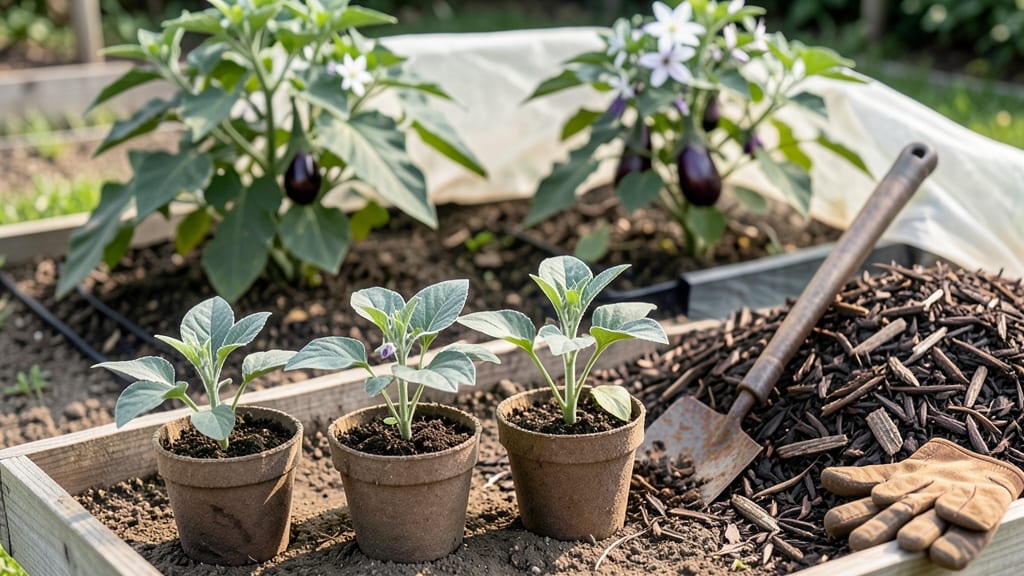
Timing your 🍆 eggplant planting in Georgia wrong can mean the difference between a bumper crop and wasted effort—especially when microclimates shift planting deadlines by weeks across the state.
Whether you're in the heat of North Georgia's 7b-8a zone or the milder coastal regions, getting those seeds in the ground after the last frost (around April 15) is just the beginning.
Here's the catch: soil temperature matters more than calendar dates. Eggplants need warm ground—at least 70°F—to thrive, and that timing varies wildly between Atlanta's urban heat islands and the cooler Appalachian foothills.
I'll show you exactly how to read your local frost risk maps and adjust planting windows to match your county's unique growing conditions.
You might assume starting seeds indoors is the safest bet, but in Georgia's long growing season (July through October harvests), direct sowing after June 1 can actually work—if you use black plastic mulch to jumpstart the soil.
Let me walk you through the best strategies for both methods, plus how to protect your plants when unexpected early frosts threaten.
From choosing the right varieties for your region to beating back common pests like flea beetles, this guide covers everything you need to turn your Georgia garden into an eggplant powerhouse—without the guesswork.
Georgia eggplant planting deadlines by microclimate Zone (with frost risk maps)
Georgia’s eggplant planting windows shift dramatically from the North Georgia mountains to the South Georgia coast, with last frost dates differing by up to 4 weeks. Eggplants are heat-loving annuals that need consistent soil temps above 70°F—so timing is everything to avoid stunted growth or frost damage.
Let’s break down the optimal planting deadlines for your county, including soil temperature thresholds and frost risk maps.
First, confirm your USDA Hardiness Zone (Georgia ranges from 7b-8a). North Georgia (e.g., Dahlonega, Blue Ridge) falls into Zone 7b, while coastal areas (e.g., Savannah, Brunswick) sit in Zone 8a.
The difference? Zone 7b has a later last frost date (mid-April) compared to Zone 8a (early March). Eggplants thrive in Zone 8+, so coastal gardeners can start earlier—but even there, soil temperature is the real deadline.
Use a soil thermometer to check depth (2-4 inches). Eggplants won’t germinate below 60°F, but roots struggle below 70°F. In North Georgia, wait until mid-May for direct sowing or transplant after May 15.
In South Georgia, you can start as early as mid-April—but only if nights stay above 55°F. For middle Georgia (e.g., Atlanta, Macon), aim for April 15–May 1 for seedlings or May 15–June 1 for direct sowing.
| Region | USDA Zone | Last Frost Date | Optimal Planting Window | Soil Temp Threshold |
|---|---|---|---|---|
| North Georgia (Dahlonega, Blue Ridge) | 7b | Mid-April | May 15–June 1 (transplants) | ≥70°F |
| Middle Georgia (Atlanta, Macon) | 8a | Early April | April 15–May 15 | ≥65°F (direct sow) |
| South Georgia (Savannah, Brunswick) | 8a | Early March | Mid-April–June 1 | ≥70°F |
For direct sowing (planting seeds outdoors), wait until soil temps hit 70°F—this usually aligns with late May in North Georgia and mid-April in South Georgia. If you’re transplanting seedlings, start them indoors 8–10 weeks before your last frost date (use grow lights for faster growth).
Seedlings need 6–8 hours of sun daily and warmth—a heat mat can help if your home is chilly.
Missed the spring window? Don’t panic! Fall planting is possible in Zone 8a (South Georgia). Start seeds indoors in July for transplanting in August, aiming to harvest before the first frost (mid-November).
Use black plastic mulch to extend the season by 2–3 weeks—it warms the soil and suppresses weeds. In Zone 7b, fall planting is riskier, but row covers can buy you extra time.
Watch for false springs—a warm spell in March can trick you into planting too early. Use the National Weather Service’s frost prediction maps or local Cooperative Extension Service data for real-time updates.
In North Georgia, a late-March frost can wipe out young plants, while South Georgia may face hurricane season (June–October), which can delay planting or damage crops. Plan accordingly!
Eggplants are sensitive to cold, but they’re also fast growers—most varieties mature in 75–90 days. To maximize yield, stagger plantings every 2 weeks in Zone 8a (South Georgia).
For example, plant one batch in mid-April, another in early May, and a final batch in late June for a continuous harvest through October. This works best with compact varieties like ‘Fairy Tale’ or ‘Ichiban’, which mature faster in shorter seasons.
Finally, test your soil before planting—eggplants prefer slightly acidic to neutral pH (6.0–7.0). Amend with compost or aged manure to improve drainage, as soggy soil invites root rot.
In North Georgia’s clay-heavy soils, mix in sand or perlite for better aeration. Coastal areas may need extra organic matter to retain moisture during summer’s heat.
By following these microclimate-specific deadlines, you’ll avoid the most common mistakes: planting too early (frost damage) or too late (poor yield). Eggplants reward patience—one perfect harvest beats a rushed, stunted crop every time! 🌿
How to extend Georgia’s eggplant growing season (cold protection hacks for early/late planting)
Georgia’s short growing season and unpredictable late frosts can cut eggplant harvests short, but with the right tricks, you can safely plant 2-4 weeks earlier or extend the season by 6+ weeks.
Whether you’re in North Georgia’s cooler mountains or South Georgia’s humid lowlands, these cold protection hacks will shield your plants from frost while boosting yields.
Start with black plastic mulch, which warms soil by 10-15°F and speeds up germination. Lay it down 2-3 weeks before planting to create a cozy microclimate. Pair it with row covers (floating fabric tunnels) for an extra 4-6°F protection during chilly nights.
For urban gardeners, grow bags with heat mats work wonders in tight spaces.
🌱
Cold Protection Hacks
Best For
Warm soil by 10-15°F; suppress weeds
Early planting in cooler zones
4-6°F frost protection; remove during day
Protect young seedlings
Extend season by 6+ weeks; DIY with wood/plexiglass
Space-efficient frost protection
Plant with basil/marigolds to repel pests and reflect heat
Low-cost, organic solution
For late-season extensions, try low tunnels (hoop houses with row covers) to trap heat. In South Georgia’s humid climate, prioritize airflow—use stakes or cages to elevate plants and reduce fungal risks. Avoid synthetic mulches if humidity is high; opt for straw or pine needles instead.
Pro tip: Monitor soil temperature with a probe—eggplants need 70°F+ to thrive. If nights dip below 50°F, cover plants with old blankets or cardboard (remove by noon). For organic gardeners, try compost tea sprays to boost cold resistance naturally.
🌿
Test your setup with a small batch of transplants before committing to a full garden. If your first frost date is creeping up (check Almanac’s county maps), prioritize heat-loving varieties like ‘Black Beauty’ or ‘Ichiban’, which mature faster in cooler temps.
With these tactics, you’ll harvest eggplants until November—or even later!