
Plants
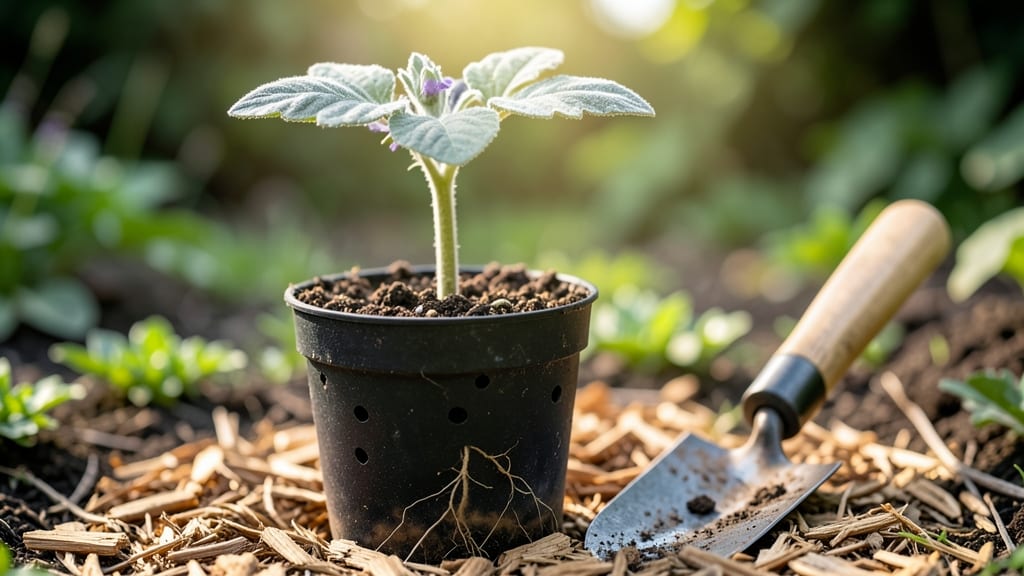
Planting eggplant in Florida isn’t just about seasons—it’s about beating the heat while your 🍆 thrives. The key is starting March through September, but timing varies wildly between North Florida’s cooler pockets and South Florida’s relentless sun.
Most gardeners make the mistake of waiting too late, only to watch their plants wilt under 90°F+ soil temperatures. I’ll show you exactly when to plant in your microclimate—whether you’re in Zone 9A or 11—and how to stretch your harvest window without stressing your plants.
You’ll also discover why staggered plantings every 2-3 weeks keep your garden productive from June through November, plus heat-beating tricks like shade cloth and mulching that work in Florida’s humidity.
Skip the guesswork: By the end, you’ll know the exact deadlines for your county, the best varieties for Florida’s short season, and how to outsmart pests that love our warm weather. Let’s get those eggplants growing right.
Florida eggplant planting zones: exact dates by microclimate for maximum yield
Florida’s frost-free climate makes eggplant growing simpler than in northern states—but timing still matters. Unlike most regions, we don’t worry about frost, but heat stress and humidity spikes can turn your plants into sad, unproductive bushes.
The key? Planting in 3 distinct windows across Florida’s microclimates to avoid summer’s worst heat.
North Florida (Zones 8a-9a) has cooler winters and earlier heat waves, while South Florida (Zones 10b-11) stays hot year-round. Central Florida (Zones 9b-10a) falls in between. I’ll break down exact planting dates for each zone, plus how to adjust for urban heat islands and coastal breezes.
🌱 Florida Eggplant Planting Timeline by Zone
| Zone | Start Seeds Indoors | Transplant Outdoors | Last Planting Window | Harvest Window |
|---|---|---|---|---|
| North Florida (8a-9a) | Feb 15 - Mar 1 | Mar 15 - Apr 15 | Aug 1 - Sep 15 | Jun - Nov |
| Central Florida (9b-10a) | Mar 1 - Mar 15 | Apr 1 - May 1 | Jul 15 - Aug 30 | May - Dec |
| South Florida (10b-11) | Mar 15 - Apr 15 | Apr 15 - Jun 1 | Sep 15 - Oct 15 | Jun - Jan |
💡 Pro Tip: Stagger plantings every 2-3 weeks for continuous harvests!
For North Florida gardeners, March 15 is your magic date—soil temperatures hit 70°F, the sweet spot for germination. In Central Florida, wait until April 1 to avoid early summer’s 90°F+ days, which stress young plants.
South Florida’s longer growing season lets you plant as late as June 1, but expect slower growth in peak summer.
Urban gardeners in cities like Miami or Tampa face microclimate challenges. Pavement and buildings create "heat islands" that can push temperatures 5-10°F higher than rural areas. If your garden sits in a hot spot, plant 2-3 weeks later than the zone average and use shade cloth during afternoon heat.
Coastal gardeners near St. Petersburg or Key West benefit from sea breezes that moderate temperatures. These areas can handle later plantings (up to June 15 in South Florida) because humidity stays high but extreme heat is tempered.
Monitor your local USDA climate station for real-time soil temps—aim for 65-75°F for best results.
One common mistake? Planting too early in South Florida (before April 15). While frost isn’t a concern, high humidity and fungal diseases like early blight thrive in cool, wet conditions.
Start seeds indoors in February but delay outdoor planting until soil warms—test with a soil thermometer or wait until azalea blooms (a natural indicator of 60°F soil).
For container growing, adjust timelines slightly. Pots heat up faster, so plant 1-2 weeks later than in-ground gardens. Use black plastic mulch to warm soil 5-10°F faster in early spring, or straw mulch to insulate roots during summer’s hottest stretches.
My 5-gallon container eggplants in Orlando thrive when planted April 15 with mulch—no wilting in sight!
Remember: Florida’s no-frost rule is a double-edged sword. Without winter dormancy, eggplants can grow year-round in South Florida—but heat stress and pests become year-round battles too. The 3 planting windows I’ve outlined balance these factors for maximum yield with minimum stress.
Stick to these dates, and you’ll avoid the bitter, seedy fruits that come from poor timing.
🌡️ Key Soil Temp Rule: Never plant when soil temps exceed 90°F—even heat-tolerant varieties struggle above this threshold. Use a soil thermometer or the "sock test" (bury a dark sock in soil for 6 hours; if it’s hot to the touch, wait a week).
How to avoid heat stress: pro tips for Florida eggplant success
Florida’s summer sun can turn your eggplant plants into crispy critters if you’re not careful. The key is to protect them from 90°F+ temperatures while still giving them enough light to thrive. I’ve learned the hard way—skipping these tricks means sad, sunburned leaves and bitter fruit. Let’s fix that.
Start by planting in partial shade during the hottest months. Use 30-50% shade cloth to filter sunlight while keeping humidity in check. This isn’t just guesswork; it’s science.
Eggplants need 6-8 hours of sun, but direct midday rays in July will scorch them faster than a Florida thunderstorm moves in.
Another game-changer? Drip irrigation instead of overhead watering. Florida’s humidity loves to turn water droplets into fungal buffets. Water deeply in the morning only, aiming for 1-1.5 gallons per plant.
Wet leaves at night = recipe for blight disasters. I’ve seen entire rows ruined by this one mistake.
Companion planting works wonders too. Pair your eggplants with basil or marigolds to repel pests like flea beetles and aphids. Basil also improves flavor—win-win! Avoid planting near fennel or dill, though; they’ll stunt your eggplant’s growth faster than a hurricane warning.
For late-season plantings, try black plastic mulch to warm the soil slightly in cooler months. It also suppresses weeds and keeps moisture consistent. I’ve had success with this in Zone 9A when October temps start dropping. Just remember: remove mulch if temps dip below 60°F at night.
Finally, prune aggressively during heatwaves. Trim back lower leaves to improve airflow and reduce stress. This might seem counterintuitive, but it forces energy into fruit production instead of leafy foliage. Harvest regularly too—overripe eggplants attract pests and rot faster in our sticky air.