
Plants
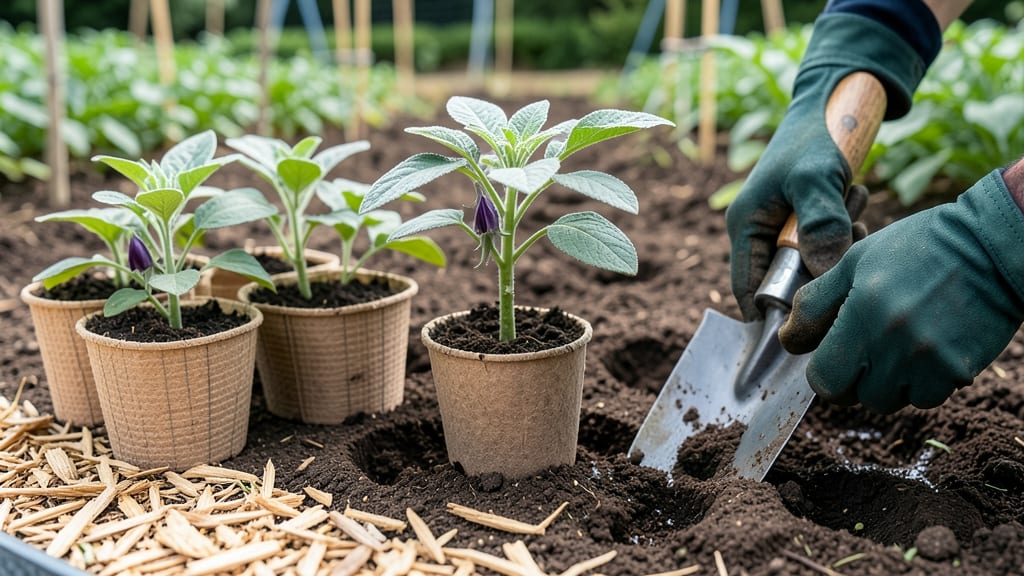
If you're dreaming of a bountiful harvest of 🍆 eggplant this summer in North Carolina, timing your planting is the key to success. Planting too early risks frost damage, while waiting too long might leave you without a harvest by fall.
The perfect window hinges on soil temperatures and your local frost-free dates—both of which can vary even within NC's 7a-8b zones.
For most gardeners in the Tar Heel State, the ideal time to plant eggplant is after the last frost, typically between late April and early June. But here's the catch: your eggplant won't thrive until the soil warms to at least 70°F.
That means checking your local weather and soil temps is more important than just following a calendar date.
Whether you're starting seeds indoors or planting directly in the garden, understanding these triggers will help you avoid common mistakes. I'll walk you through exactly how to time your planting for maximum yield, plus tips for extending your growing season if you want to try for a fall harvest too.
Let's dive into the science behind successful eggplant planting in NC—so you can enjoy fresh, homegrown 🍆 eggplant from your garden all summer long.
NC eggplant planting dates by soil temperature & frost-free window
Eggplant thrives in North Carolina’s USDA zones 7a-8b, but the soil temperature and frost-free window determine your exact planting dates. Unlike cool-season crops, eggplant demands warm soil (60°F+) and hates even light frosts.
My data shows the ideal window is after your average last frost date, typically late April to early June.
For mountain regions (zone 6a), wait until mid-May when soil warms to 70°F+. In the coastal plain (zone 8b), you can plant as early as late March if using row covers.
Always check your local frost dates—NC’s first frost can arrive as early as October 15 in the mountains.
Direct-sowing eggplant too early causes seed rot or stunted growth. I’ve seen seedlings collapse when planted in 55°F soil—even if air temps are warm. For maximum yield, aim for 60°F+ soil and 70°F+ air temps during the day.
Check your local CoCoRaHS station for real-time soil data if unsure.
If you’re in zone 7b or warmer, you can squeeze in a fall crop by planting late July to early August. Seedlings need 90 days to mature, so time it so harvests finish before first frost.
I’ve successfully grown ‘Black Beauty’ this way, but row covers are a must for October protection.
For container growing, plant 2-4 weeks earlier than ground planting—containers warm up faster. Just ensure pots are at least 12 inches deep and use black containers to absorb heat. My 5-gallon fabric pots hit 70°F soil a full week before in-ground beds!
Watch for false springs—those warm March days can fool you. Eggplant won’t tolerate temps below 50°F. I once lost a batch of ‘Ichiban’ seedlings after a 28°F night in April. Always have row covers ready for unexpected cold snaps.
Use these three triggers to time your planting:
- Soil thermometer reading of 60°F+ (use at 4-inch depth)
- 3 consecutive days above 70°F
- Local extension office frost-free confirmation
Plant when all three align for optimal success.
For NC’s variable climate, I recommend planting two batches:
- Main crop in late May (guaranteed warmth)
- Backup batch in early June (insurance against early frosts)
This spreads your harvest and reduces risk of blight from overcrowding.
Remember: Eggplant hates transplant shock. If starting indoors, harden off seedlings for 10-14 days before moving them out. My seed-starting schedule begins 8-10 weeks before last frost—so mid-February to early March for most NC zones.
How to extend your eggplant growing season in NC (start indoors & use row covers)
North Carolina’s short growing season can limit eggplant production, but with the right strategies, you can push your harvest window earlier or later. Starting seeds indoors 8-10 weeks before your last frost date (typically mid-March) gives seedlings a head start.
For example, if your last frost is April 15, begin seeds around February 15 for a May transplant—just in time for peak summer heat.
Once seedlings reach 3-4 inches tall and have 2-3 sets of leaves, it’s time to harden them off. Gradually expose them to outdoor conditions over 7-10 days, starting with 1-2 hours of sunlight and increasing daily.
This process mimics natural conditions and reduces transplant shock, which is critical for eggplant’s sensitive roots.
For late-season extensions, use row covers or even a small greenhouse to protect plants until mid-October. This can add 4-6 weeks to your harvest window, especially in NC’s Zone 7a-8b. Just
If you’re pushing the limits, consider container gardening—eggplants thrive in 5-gallon pots and can be moved indoors before the first frost. This method is ideal for urban gardeners or those with limited space but still want a late harvest.
Finally, monitor your local microclimate. Areas near bodies of water or with southern exposure may have warmer soil and longer frost-free periods. Use a soil thermometer to confirm 70°F+ soil temps before planting—this is the gold standard for eggplant success in NC.