
Plants
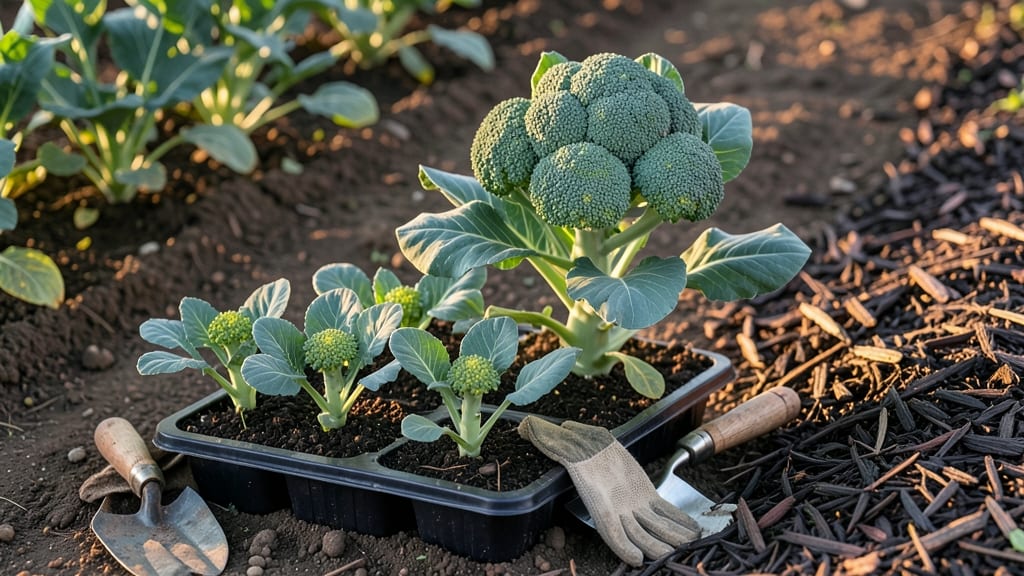
Timing your fall broccoli planting in Zone 6 could mean the difference between a garden full of sweet, cold-hardy 🥦 and a disappointing harvest. The key window—late summer to early fall—lets you beat the frost while giving plants enough time to mature before winter sets in.
Most gardeners in Zone 6 (like me!) start seeds indoors in early August, then transplant outdoors around mid-August. This schedule ensures your broccoli has 60-70 days to grow before the first frost hits, typically around mid-October.
But if you miss that window, don’t worry—there are still ways to extend your harvest.
Why does this matter? Because fall broccoli thrives in cooler weather, producing sweeter, more tender heads than its spring counterpart. With the right timing and care, you can enjoy fresh 🥦 straight from your garden well into December—just in time for holiday meals.
In this guide, I’ll walk you through the exact planting schedule, frost protection tips, and variety recommendations to maximize your harvest. Let’s get your Zone 6 garden ready for a winter bounty!
Best planting timeline for fall broccoli in Zone 6 (with frost tolerance guide)
Fall broccoli thrives in Zone 6 when planted at the right time—typically 8 to 10 weeks before your first frost date. For most Zone 6 gardeners, this means late July to early September for a harvest before winter sets in.
The key is balancing maturity time with frost tolerance to avoid bitter, bolted heads.
Broccoli planted too early in summer will bolt before frost, while late plantings may not mature before cold snaps. Aim for 60 to 70 days to harvest before your average first frost (mid-October in Zone 6).
This gives your plants enough time to grow sturdy heads while still benefiting from cooler fall temperatures.
Zone 6’s first frost typically arrives October 15, but light frosts (28°F) can actually sweeten broccoli. Use this frost tolerance guide to adjust your timeline based on your exact location’s microclimate.
If you’re in Zone 6a (colder end), plant earlier (late July); for Zone 6b (warmer end), late August works well.
For direct sowing, start seeds indoors 4 to 6 weeks before transplanting (around mid-June for Zone 6). Use biodegradable pots to avoid root disturbance when moving seedlings outdoors. Harden them off for 7 to 10 days before transplanting to prevent shock.
Spacing is critical—plant broccoli heads 18 to 24 inches apart in rows 24 to 36 inches apart. This prevents overcrowding, which leads to disease and poor air circulation. In smaller gardens, use container growing with at least 12-inch pots for dwarf varieties like 'Green Magic'.
Extend your harvest by using row covers or cold frames to protect plants from hard frosts (below 25°F). These create a 5–10°F warmer microclimate, allowing broccoli to mature even in late fall. Remove covers during the day for ventilation to prevent humidity-related diseases like downy mildew.
Soil temperature matters too—broccoli germinates best in soil 45–85°F. If your soil is cooler than 50°F, use black plastic mulch or a seedling heat mat to speed up germination. Test your soil’s pH (aim for 6.0–7.0) and amend with compost or aged manure for nutrient-rich growth.
Water deeply 1–2 inches per week, especially during head formation. Avoid wetting foliage to prevent fungal diseases. In late fall, reduce watering slightly as days grow shorter, but keep soil moist to support root growth before winter dormancy.
Monitor for pests like cabbage worms and aphids, which thrive in fall’s mild weather. Use neem oil or row covers for organic control. If birds become a problem (they love tender broccoli sprouts), cover seedlings with floating row covers until established.
Best planting timeline for fall broccoli in Zone 6 (with frost tolerance guide)
For Zone 6 gardeners, timing your fall broccoli is all about working with—not against—the cooling temperatures. Unlike spring planting, fall broccoli actually prefers cooler weather, which sweetens the flavor and slows bolting.
The magic window starts 8-10 weeks before your first frost date (typically mid-October in Zone 6), giving plants enough time to mature before winter sets in.
Most successful gardeners like me begin with indoor seed starting in early August, then transplant seedlings outdoors around late August. This schedule ensures your broccoli has 60-70 days to grow before hard frosts arrive.
If you’re direct sowing, aim for mid-to-late August instead—just be prepared to protect young plants from early cold snaps.
Here’s the breakdown of your Zone 6 fall broccoli timeline, including frost protection tips to extend your harvest:
| Stage | Action | Frost Protection |
|---|---|---|
| Early August | Start seeds indoors (6-8 weeks before transplant) | Use grow lights if natural light is limited |
| Late August | Transplant seedlings outdoors (8-10 weeks before first frost) | Use row covers for early cold snaps |
| September | Direct sow remaining seeds (if needed) | Mulch heavily to retain soil warmth |
| October | Harvest main heads; side shoots will form | Use cold frames for extended harvest |
| November-December | Protect plants with row covers or cloches | Harvest before hard freeze (below 20°F) |
One of the biggest mistakes I see is planting too late in the season, leaving broccoli vulnerable to bolt before heading. To avoid this, always calculate your first frost date (check your local USDA Zone 6a/6b records) and count backward.
For example, if your first frost is October 15, aim to have plants ready by August 15-20.
For gardeners in northern Zone 6 (like Minnesota or upstate New York), you may need to start seeds even earlier—sometimes in early July—to account for shorter growing seasons. Conversely, southern Zone 6 (like Tennessee or Virginia) can sometimes push planting into early September, but watch for early cold snaps.
Pro tip: If you’re unsure about your frost dates, use a frost protection kit (like row covers or low tunnels) to buy extra time. I’ve extended my harvest by 3-4 weeks this way, giving me broccoli well into December. Just