
Planting
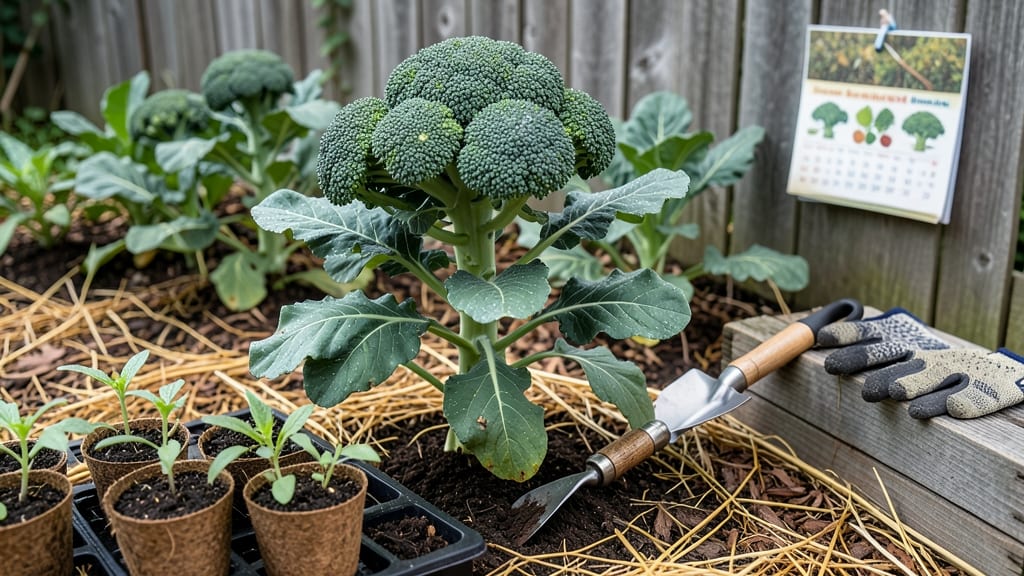
Knowing when to plant a fall garden in Alabama isn’t just about throwing seeds in the dirt—it’s the difference between a bumper crop of 🥬 kale and spinach and a sad, bolting mess. With Alabama’s 7a-8b climate, you’ve got a narrow window (mid-August to early October) to plant before the first frost hits around November 15, and getting it wrong means wasted effort.
Here’s the kicker: plant too early, and your greens bolt before they mature. Too late, and frost zaps your harvest before you even taste it.
But don’t stress—I’ll break down the exact weeks before frost you should plant your favorite cold-hardy crops, so you can enjoy fresh collards and carrots straight from your garden until December.
Why does this matter? Because Alabama’s heat lingers longer than most places, and skipping the right prep (like soil testing or succession planting) means missing out on a garden that keeps giving.
I’ll share the critical mistakes to avoid, like overcrowding or ignoring microclimates, so your fall garden thrives—not just survives.
Ready to turn your backyard into a zero-bolt, high-yield fall oasis? Let’s dive into the regional planting schedules and tricks to stretch your harvest past the first frost—no guesswork, just results.
Alabama’s fall planting timeline: weeks before first frost by region
Alabama’s fall frost dates vary dramatically from North to South, so your planting window depends on whether you’re in Birmingham (Zone 7b), Montgomery (Zone 8a), or Mobile (Zone 8b).
The key is planting 4-6 weeks before your first frost—any earlier, and you’ll risk bolting from summer heat; any later, and frost will ruin tender crops. Let’s break it down by region with exact weeks to plant for zero-bolt risk crops like kale, spinach, and broccoli.
For North Alabama (Birmingham), your average first frost hits around November 15, so aim to plant leafy greens by mid-to-late September. In Central Alabama (Montgomery), frost arrives slightly later (late November), giving you a 2-week extension for heat-sensitive crops like lettuce and radishes.
Meanwhile, South Alabama (Mobile) can push planting into early October thanks to its Zone 8b climate, but watch for microclimates—valleys and low-lying areas frost earlier.
Pro Tip: Use the USDA Plant Hardiness Map to check your exact frost-free days (Alabama ranges from 200-220 days), then subtract 4-6 weeks for your planting deadline. For example, if your frost date is November 1, plant by September 15.
If you’re starting seeds indoors, begin 4-6 weeks before transplanting—so for Birmingham, that means early August for cool-season crops.
For direct sowing, wait until soil temps drop below 85°F (use a soil thermometer to check). Heat-loving crops like okra or sweet potatoes can go in until mid-September, but switch to cold-hardy varieties after that.
For succession planting, sow fast-growing crops like radishes or bush beans every 2 weeks until mid-September. This ensures a continuous harvest before frost. In South Alabama, you can even squeeze in a late-October planting of spinach or kale if you use frost cloth.
Don’t forget to adjust for microclimates—a south-facing bed warms up faster than a north-facing one, and raised beds stay cooler longer.
Test your soil’s pH (6.0-7.0 for most veggies) and add compost to improve fertility. Brassicas like broccoli need phosphorus-rich soil, while leafy greens thrive in nitrogen-rich beds.
Track your local frost dates using the Alabama Cooperative Extension System or Old Farmer’s Almanac. In 2023, Birmingham saw frost as early as October 20, while Mobile held off until November 10. Plan for the earliest frost in your area to avoid losses.
Finally, mark your calendar for late September—this is the sweet spot for planting broccoli, cauliflower, and cabbage in most of Alabama. These cool-season staples need time to establish roots before winter, but they’ll reward you with harvests through December if planted correctly.
Alabama’s fall garden thrives with the right cold-hardy crops, but not all vegetables handle the transition from summer heat to winter chill equally. The key is choosing varieties that mature quickly (30-60 days) and can tolerate light frosts—think collards, carrots, and radishes—while avoiding heat-sensitive plants like tomatoes or peppers past early September. For maximum harvests, focus on leafy greens (spinach, kale, lettuce) and root vegetables (beets, turnips, carrots), which store well in cool soil. These crops not only survive but taste sweeter after a light frost, making them perfect for Alabama’s October-December growing window. I’ll share my top picks and how to stretch their season past the first frost. 🌱 Don’t overlook herbs like cilantro and parsley, which thrive in Alabama’s fall and add flavor to your winter dishes. These perennials often bolt less in cooler weather, making them reliable additions. For maximum yield, pair fast growers (radishes) with slower ones (cabbage) to optimize space and timing. One of my favorite tricks? Plant broccoli in late August for a November harvest before the first frost hits. The key is soil prep: amend beds with compost and a balanced fertilizer (10-10-10) in early September to give roots a nutrient boost as days shorten. This ensures your plants focus on growth, not survival. 🌿Best fall vegetables for Alabama’s climate and how to extend their season