
Planting
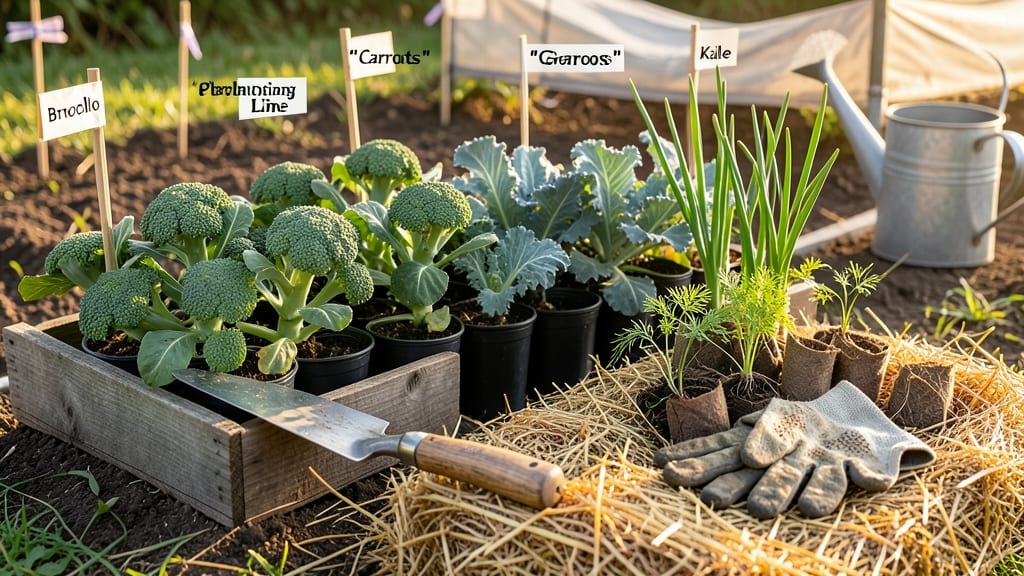
If you’ve ever watched your summer garden wilt under Central Texas’s late-season heat, you know timing is everything—especially when it comes to when to plant a fall garden in Central Texas.
The difference between a thriving harvest and a sad, bolted mess often boils down to those 6-8 weeks before first frost, a window that can feel like a moving target in this region.
Here’s the good news: with Central Texas’s 8a-8b climate, you can still enjoy fresh 🥬 greens, hearty roots, and even delicate flowers well into December—if you plant at the right moment. But getting it wrong means either struggling through sweltering soil or racing against early freezes.
Let’s break down exactly when to start sowing for a fall garden that outperforms the heat and cold.
Most gardeners in Central Texas aim for mid-August to early October, but your microclimate matters. Urban areas might need to push planting a bit later, while rural spots can handle earlier starts.
We’ll cover the ideal windows for everything from kale and broccoli to carrots and radishes, plus how to adjust for your specific corner of the region.
Ready to extend your growing season? I’ll walk you through the exact weeks to plant, what to watch for in your soil, and how to protect your crops when the first chill hits. No more guesswork—just a more efficient, more rewarding fall harvest.
Central Texas fall planting timeline by microclimate zone
Central Texas spans USDA Zones 8a-8b, but microclimates vary dramatically—from Austin’s urban heat islands to the cooler Hill Country. Your first frost date shifts from October 25 in North Texas to November 15 in South Texas, so timing is critical.
Planting 6-8 weeks before frost ensures harvests before winter chill sets in.
For North Texas (Dallas/Fort Worth), aim for mid-August to early September for heat-sensitive crops like lettuce and spinach. Central Texas (Austin/San Antonio) gardeners have until early October, while South Texas (Corpus Christi) can push planting to mid-October due to later frosts.
Always check your local Cooperative Extension Service for updates.
🌱
| Microclimate Zone | First Frost Date | Ideal Planting Window | Best Crops for Late Planting |
|---|---|---|---|
| North Texas (Dallas/Fort Worth) | October 25 | Mid-August to early September | Kale, broccoli, carrots, radishes |
| Central Texas (Austin/San Antonio) | November 1 | Late August to early October | Spinach, lettuce, Swiss chard, turnips |
| South Texas (Corpus Christi) | November 15 | Late August to mid-October | Collards, mustard greens, cabbage |
| Urban Heat Islands (Austin/Dallas) | October 30 | Early September to late September | Peas, beans, fast-maturing greens |
📅 Pro Tip: Use succession planting every 2-3 weeks to stagger harvests.
Urban gardeners in heat islands (Austin, Dallas) face extra challenges—concrete absorbs heat, raising soil temps by 10°F+. Opt for shade-tolerant crops like Swiss chard or arugula and plant in afternoon shade if possible. Rural areas with loamy soil retain moisture longer, allowing later plantings of broccoli or cabbage.
Soil temperature is your secret weapon. Most fall crops thrive when soil is 60-70°F.
Test your soil with a thermometer—if it’s above 80°F, delay planting until temps drop. Carrots and beets need cooler soil (65°F) to prevent forked roots, while kale and spinach tolerate slightly warmer soil (70°F).
🌿
Adjust your schedule based on crop maturity. Fast growers like radishes (25 days) or bush beans (50 days) can handle late August plantings, while broccoli (80 days) or cabbage (90 days) need earlier starts.
Use row covers to protect young plants from late-summer heat waves, which can stress seedlings.
For container gardening, plant 2-3 weeks earlier than in-ground beds—pots heat up faster and dry out quicker. Choose compact varieties like ‘Salad Bowl’ lettuce or ‘Little Gem’ kale to maximize space. Place containers in elevated beds or on reflective surfaces to reduce heat stress.
💧
Mulch is non-negotiable in Central Texas. Apply 2-3 inches of straw or wood chips to retain moisture and moderate soil temps. This extends your planting window by 1-2 weeks by keeping roots cool.
Avoid plastic mulch—it traps too much heat for fall crops. Instead, use organic mulch to improve soil structure over time.
Track your progress with a gardening journal. Note when you plant, soil temps, and any unexpected heat spikes. Over time, you’ll refine your schedule.
For example, my Austin garden thrives when I plant spinach in early September—any earlier, and it bolts; any later, and frost hits before harvest.
Best fall vegetables for Central Texas and their ideal planting windows
Central Texas’s fall garden thrives when you plant the right crops at the right time. The key is selecting cool-season vegetables that tolerate mild autumn temperatures but won’t bolt in lingering summer heat.
Start with leafy greens, brassicas, and root vegetables—they’re your best bets for a productive harvest before frost.
Timing is everything: plant too early, and your kale or broccoli will struggle in the heat; too late, and radishes or carrots won’t mature before the first freeze. Aim for mid-August to early October, adjusting based on your microclimate zone—urban areas often cool faster than rural ones.
For urban gardeners, container-grown crops like bush beans or peas thrive in small spaces. Rural areas can handle larger plants like cabbage or Brussels sprouts, but watch for soil compaction—amend with compost before planting. Succession planting every 2-3 weeks ensures a steady harvest until frost.
Pro tip: Check your local frost dates (typically October 25–November 15 in Central Texas) and count backward based on each crop’s days to maturity. For example, if your broccoli needs 60 days to harvest, plant by mid-August to avoid frost damage.
Adjust for urban heat islands—they delay cooling by 1-2 weeks.
Don’t forget flowers like pansies or snapdragons to attract pollinators and add color. Plant them late August to early October for a vibrant fall garden that keeps giving until winter. With the right crops and timing, your Central Texas fall garden will be a harvest goldmine!