
Plants
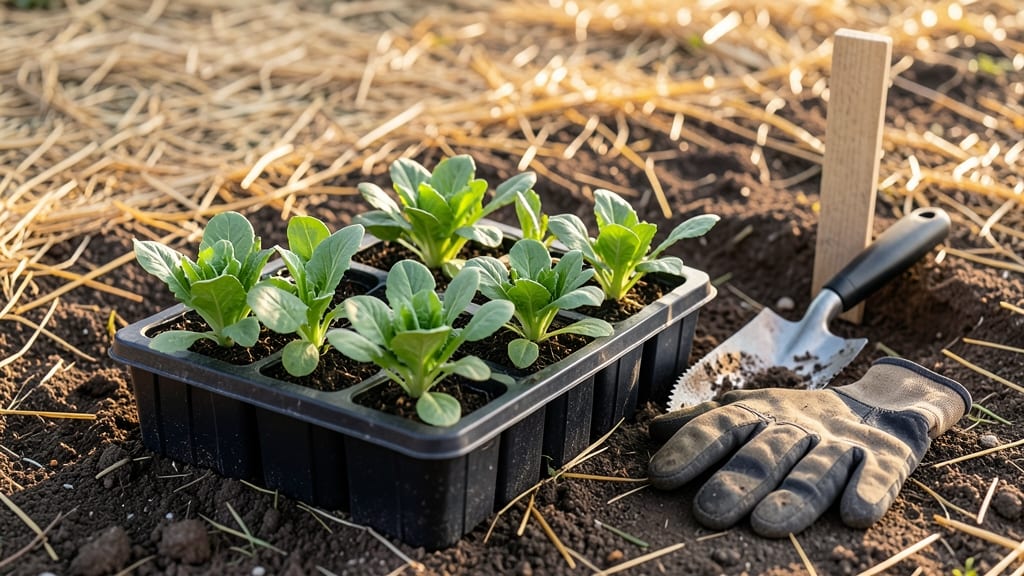
Knowing when to plant fall lettuce in Zone 6 can mean the difference between a crisp, sweet harvest and bitter, bolted greens that go to waste. The 6-week window between mid-August and mid-September is your golden opportunity—but timing isn’t one-size-fits-all in this region.
Zone 6’s cooling temperatures and variable microclimates (think urban heat islands vs. shaded garden beds) can shift your ideal planting dates by weeks.
Whether you’re in the Mid-Atlantic or the Midwest, getting it right means avoiding the two biggest enemies of fall lettuce: premature bolting from lingering summer heat and frost damage before you can harvest.
I’ve tested the best strategies over the years, from succession planting to shade cloth hacks, to help you maximize your harvest without the guesswork. Let’s break down the exact dates, variety choices, and microclimate tweaks that’ll keep your 🥬 thriving until the first frost.
Ready to grow lettuce that’s crisp, flavorful, and ready to eat? The key starts with the calendar—and I’ll show you how to use it like a pro.
Zone 6 fall lettuce planting timeline: exact dates by variety type
In Zone 6, your fall lettuce success hinges on planting at the right time—typically between mid-August and mid-September. This window balances warm soil for germination and cooler air to prevent bolting. But not all lettuce varieties thrive equally in these conditions, so let’s break it down by type.
Heat-tolerant varieties like Romaine or Butterhead can handle summer’s lingering warmth, while cold-hardy Leaf lettuce varieties like Black Seeded Simpson tolerate early frost. Your local first frost date (usually October 15 in Zone 6) is your deadline—plant 6–8 weeks before it for a full harvest.
Soil temperature matters too. Lettuce seeds need 45°F–75°F to sprout. In Zone 6, soil stays warm enough until early September, but cooler nights signal it’s time to plant. Use a soil thermometer to confirm—ideal temps are 55°F–65°F for germination.
🥬 Zone 6 Fall Lettuce Planting Guide by Variety
| Variety Type | Planting Window | Soil Temp Threshold | Frost Tolerance | Best for Zone 6 |
|---|---|---|---|---|
| Romaine | Late July–Early August | 60°F–75°F | Moderate (25°F) | Heat-tolerant, slow to bolt |
| Butterhead | Mid-August–Early September | 55°F–70°F | Moderate (28°F) | Sweet, tender leaves |
| Leaf Lettuce (e.g., Black Seeded Simpson) | Late August–Mid-September | 50°F–65°F | High (20°F) | Cold-hardy, cut-and-come-again |
| Looseleaf (e.g., Salad Bowl) | Early September–Early October | 45°F–60°F | Very High (15°F) | Fast-growing, late-season |
💡 Pro Tip: For a continuous harvest, stagger plantings every 2 weeks from mid-August to early September.
If you’re in a warmer microclimate (like a city with urban heat islands), push planting to early August. Conversely, in cooler high-altitude areas, wait until late August to avoid frost. Always check your local frost forecast—a late frost can ruin your crop if planted too early.
For succession planting, sow a new batch every 2 weeks until early September. This ensures a steady supply of fresh greens without overwhelming your garden. Use shade cloth (30–50%) if daytime temps exceed 80°F to prevent bolting.
Remember: Soil prep is key. Amend your garden bed with compost and a balanced fertilizer (5-10-10) before planting. Lettuce thrives in well-draining, slightly acidic soil (pH 6.0–7.0). Test your soil in early August to adjust nutrients if needed.
In Zone 6, late September plantings risk frost before harvest. Use row covers to extend the season by 3–4 weeks, protecting tender greens until the first hard frost. This is especially useful for cold-hardy varieties like Winter Density or Arctic King.
Harvest time varies by variety. Leaf lettuce matures in 30–45 days, while head lettuce takes 60–75 days. Plan your planting window to finish harvesting before hard frosts (below 25°F), which damage even cold-hardy varieties.
🌱
How to adjust planting dates for Zone 6 microclimates (sun exposure, elevation, urban heat islands)
Zone 6’s microclimates can shift your ideal fall lettuce planting dates by weeks—sometimes even months. A south-facing garden bed might need lettuce planted 2 weeks earlier than a shaded spot, while urban heat islands can push your window 10 days later than rural areas.
Understanding these variations ensures your 🥬 thrives until the first frost.
Start by observing your garden’s sun exposure patterns. If your bed gets intense afternoon sun (common in Zone 6’s summer hangover), opt for shade-tolerant varieties like ‘Outredgeous’ and plant them 2 weeks later than the general timeline.
Conversely, north-facing or shaded areas can handle earlier plantings since they stay cooler longer.
Elevation also plays a role: Higher-altitude gardens (even within Zone 6) experience cooler temps, so you can start 1–2 weeks sooner than lower elevations.
For example, if you’re at 2,000 feet in the Appalachians, mid-August plantings may work fine, while lowland areas near the Ohio River might need to wait until early September.
- South-facing beds: Plant 2 weeks later (use shade cloth if needed).
- Shaded areas: Plant 2 weeks earlier—they stay cooler longer.
- Urban heat islands: Delay by 10–14 days; prioritize heat-tolerant varieties.
- High elevation (>1,500 ft): Start 1–2 weeks sooner (cooler temps).
- Row covers: Extend season by 3–4 weeks—plant as early as late July.
Urban gardeners often face the urban heat island effect, where pavement and buildings trap heat. If your garden is in a concrete-heavy area, soil temps can stay 10°F warmer than rural zones.
To counteract this, choose heat-tolerant varieties like ‘Jericho’ or ‘Black Seeded Simpson’ and plant them 10–14 days later than the general timeline. Pair this with daily shade cloth during peak afternoon heat (1–4 PM) to mimic cooler conditions.
For those with row covers or cold frames, you can push the envelope even further. By using floating row covers, I’ve successfully planted lettuce as early as late July in Zone 6, extending the harvest window by 3–4 weeks.
This works best for leaf lettuces like ‘Salad Bowl’, which tolerate slightly warmer soil temps better than head varieties.
Pro tip: Monitor soil temperature with a cheap thermometer—ideal planting soil should be between 45°F–75°F. If it’s above 80°F, wait or use shade cloth to cool it down. This small step can save your crop from bolting before you even harvest.