
Planting
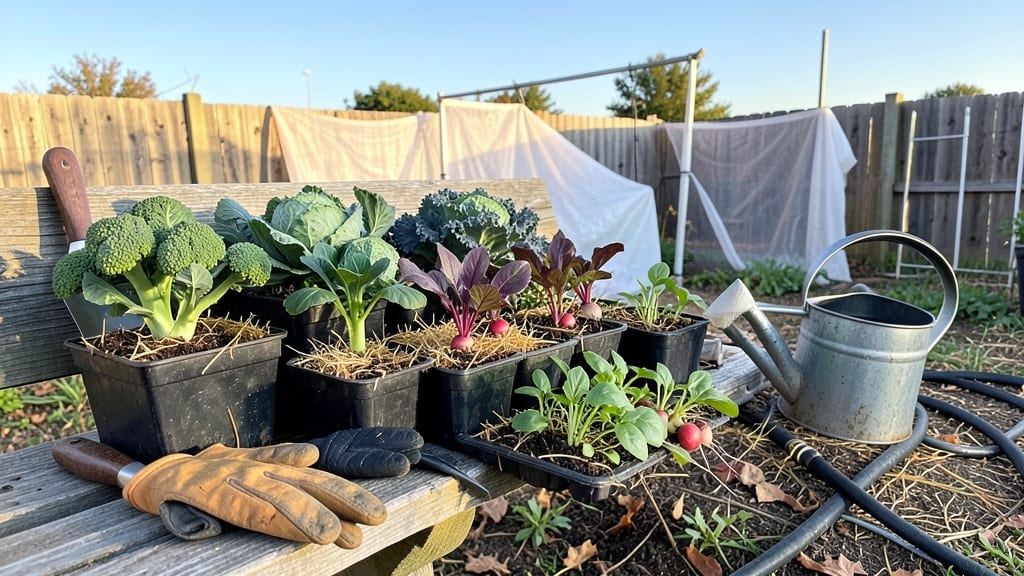
If you're a South Texas gardener, when to plant a fall garden in South Texas could make or break your harvest—especially when balancing heat and the first frost. The key isn’t just about avoiding frost; it’s about working with the region’s unique heat patterns to plant at the perfect moment.
With USDA zones 8–10 and scorching summers bleeding into fall, most gardeners make one critical mistake: waiting too long. But by starting your heat-tolerant crops in late August, you can beat the rush and enjoy fresh greens, root vegetables, and even sweet potatoes before winter arrives.
I’ve tested the best planting windows for South Texas, from okra to collard greens, so you don’t have to guess. Whether you’re a beginner or a seasoned gardener, these insights will help you maximize your fall harvest—without the stress.
Ready to turn your backyard into a productive oasis? Let’s dive into the exact timing, crops, and pro tips that work in South Texas’s climate.
Optimal planting timeline for South Texas fall gardens
South Texas's long, hot summers and unpredictable frost dates (typically November 15–December 15) demand precise timing for a successful fall garden. Unlike northern regions, you can't wait until September—many heat-tolerant crops need to establish roots before temperatures dip below 70°F.
The key is planting late summer to early fall, when soil stays warm but daytime highs begin cooling.
For USDA Zones 8–10, the ideal fall planting window spans from late August through mid-October. This timeline balances heat stress and frost risk, ensuring crops mature before winter.
Early starters like okra and sweet potatoes thrive when planted in late August, while greens and root vegetables prefer September–early October plantings.
Here’s the critical rule: Calculate 60–90 days from your average first frost date (use November 1 as a safe benchmark) to determine your last planting deadline.
For example, if your frost hits November 15, plant slow-maturing crops (e.g., cabbage) by August 15 and fast growers (e.g., radishes) by September 15.
🌱 South Texas Fall Planting Timeline
| Month | Planting Window | Best Crops | Soil Temp (°F) | Notes |
|---|---|---|---|---|
| Late August | Aug 20–31 | Okra, Sweet Potatoes, Black-Eyed Peas | 80–90°F | Plant before heat breaks; mulch heavily. |
| Early September | Sep 1–15 | Collard Greens, Kale, Carrots, Beets | 75–85°F | Direct sow; avoid transplant shock. |
| Mid-September | Sep 16–30 | Turnips, Radishes, Spinach, Lettuce | 70–80°F | Use shade cloth if temps exceed 90°F. |
| Early October | Oct 1–15 | Broccoli, Cauliflower, Brussels Sprouts | 65–75°F | Start indoors 4–6 weeks prior. |
Timing isn’t just about months—it’s about soil temperature. Use a soil thermometer to confirm conditions: okra and sweet potatoes need 80°F+ soil, while greens and root crops prefer 65–75°F.
In South Texas, soil cools faster than air, so monitor afternoon temps (aim for 70°F at planting depth).
Pro tip: Extend your season with row covers or cold frames for late October plantings. These tools can push harvests into December for crops like kale and collards, which actually sweeten in cold weather. Just remove covers during daytime warmth to prevent overheating.
Watch for false starts—South Texas often sees brief cold snaps in October.
If nighttime temps drop to 50°F, protect young seedlings with frost blankets or move pots to a sheltered spot. Okra and black-eyed peas are your best bets for late-season heat lovers that tolerate light frosts.
Don’t overlook succession planting. In South Texas’s 6–8 month growing season, stagger plantings every 2–3 weeks to ensure a continuous harvest. For example, sow radishes every 10 days from September to November for a steady supply. This strategy maximizes your small garden space and minimizes waste.
Remember: South Texas’s humidity can accelerate disease pressure in fall. Space plants 12–18 inches apart for airflow, and avoid overhead watering after 5 PM to prevent fungal issues like powdery mildew. A drip irrigation system is your best friend here—it delivers water directly to roots without wetting foliage.
Finally, plan for pests. Fall brings squash bugs and aphids, which thrive in warm soil. Inspect plants weekly and use neem oil or insecticidal soap at the first sign of trouble. Interplanting (e.g., marigolds with tomatoes) can deter pests naturally.
With this timeline, you’ll beat the heat and outsmart the frost, turning South Texas’s challenging climate into your fall gardening advantage. 🌱
Best heat-tolerant crops for South Texas fall harvests
South Texas’s long, hot summers don’t have to mean your fall garden is doomed. The key is choosing heat-tolerant crops that thrive even as temperatures dip. Unlike northern gardens, you can still grow okra, sweet potatoes, and collard greens well into October—if you plant them at the right time.
Fast-growing crops like radishes and turnips (ready in 30–45 days) are perfect for late-season planting, while slower growers like kale and carrots need an early start. Below, I’ve broken down the best options, their ideal planting windows, and why they work in our climate.
🌱 Top Heat-Tolerant Fall Crops for South Texas
| Crop | Planting Window | Days to Harvest | Why It Works |
|---|---|---|---|
| Okra | Late August–early September | 50–65 days | Loves heat; pods mature before frost. |
| Collard Greens | Early September–mid-October | 45–60 days | Sweetens in cooler weather; frost-resistant. |
| Sweet Potatoes | Late July–early August | 90–120 days | Needs long, warm season; harvest before frost. |
| Black-Eyed Peas | Mid-September–October | 50–70 days | Thrives in warm soil; pods mature quickly. |
| Carrots | Early September–mid-October | 60–80 days | Cool-season root; plant early for fall harvest. |
For fast harvests, prioritize radishes, turnips, and green onions—they’ll give you quick wins before cooler weather sets in. Meanwhile, slow growers like sweet potatoes need an early start to mature before the first frost, which in South Texas can hit as early as mid-November in zone 8.
Pro tip: Pair heat-lovers like okra with cool-season crops (e.g., kale) in the same bed. The okra will thrive early, while the greens take over as temperatures drop. This succession planting strategy maximizes your space and harvest time.
Don’t overlook herbs like cilantro and dill—they bolt quickly in heat but can handle South Texas’s fall transitions if sown in September. Just be ready to harvest before they flower!
Now that you’ve got your crop list, the next step is timing. Miss the window, and you’ll either scorch your plants or watch them wilt before harvest.
Stay tuned for my pro tips to beat South Texas’s fall gardening challenges—including how to stretch your season with mulch and shade cloth.