
Plants
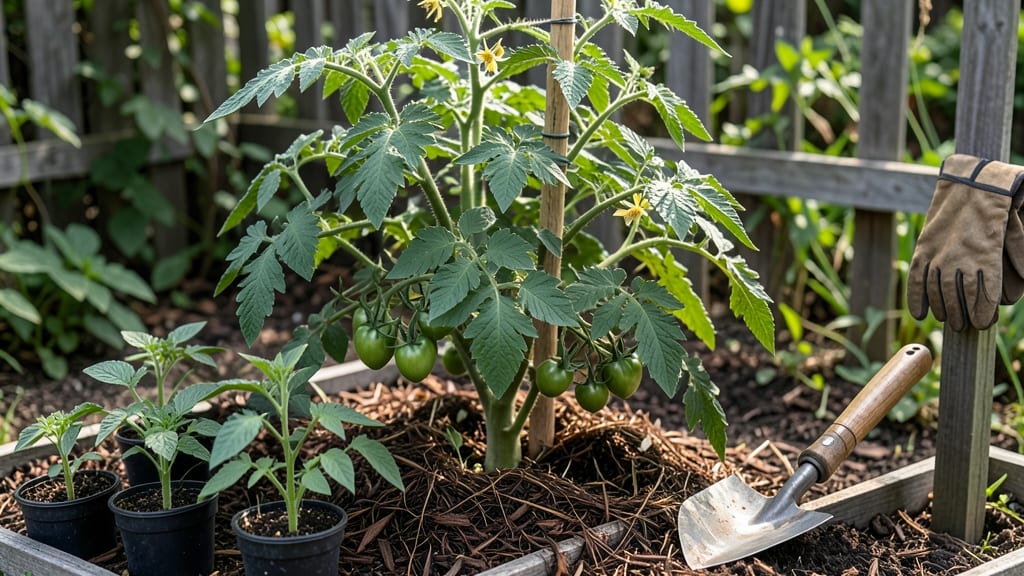
Timing is everything when it comes to planting fall tomatoes in North Texas, and getting it right means the difference between a bumper crop and a sad, wilted vine.
The key window—mid-August to early September—gives your 🍅 plants just enough time to mature before the first frost hits around mid-November.
North Texas gardeners in Zone 8a face unique challenges: scorching summer heat followed by unpredictable fall weather. But with the right heat-tolerant varieties and precise planting dates, you can still enjoy homegrown tomatoes well into October. I'll show you exactly how to maximize your harvest before winter takes over.
Why does this matter? Because planting too early risks heat stress, while waiting too long leaves your tomatoes vulnerable to frost. The solution? A strategic approach that accounts for soil warmth, day length, and the varieties that thrive in shorter fall days.
Let’s break down the exact steps to ensure your tomatoes grow strong and productive.
You’ll discover the best varieties for North Texas’s climate, how to prep your soil for fall planting, and when to start fertilizing to boost growth. By the end, you’ll have a clear plan to turn your garden into a tomato haven—just in time for harvest season.
North Texas fall tomato planting calendar: exact start dates by Zone
Timing is everything when growing fall tomatoes in North Texas. The key is planting 4-6 weeks before your first frost date, which typically lands between mid-August and early September for most of the region.
North Texas spans USDA Zones 7b-8b, so your exact dates may shift slightly depending on elevation and microclimates.
For Zone 7b (higher elevations like Denton or Fort Worth), aim to plant transplants by August 15th to give them enough time to mature before first frost around November 15th.
In Zone 8a (lower elevations like Dallas or Waco), you’ve got a little more flexibility—transplants can go in until late August or even early September.
If you're direct sowing seeds instead of buying transplants, start them indoors 6-8 weeks before transplanting (around mid-July) to ensure they’re ready for the garden by early to mid-August. Seedlings need warm soil (70°F+) and consistent moisture to thrive.
📅 North Texas Fall Tomato Planting Summary
| Zone | First Frost | Transplant Window | Direct Sow Window | Harvest Window |
|---|---|---|---|---|
| 7b (Denton, Fort Worth) | Nov 15 | Aug 15–25 | Jul 15–25 (indoors) | Oct 1–Nov 10 |
| 8a (Dallas, Waco) | Nov 1 | Aug 20–Sep 5 | Jul 20–Aug 5 (indoors) | Oct 15–Nov 15 |
💡 Pro Tip: Use row covers to extend your harvest by 1-2 weeks before frost.
Soil temperature is just as critical as air temperature. Tomatoes need soil that’s at least 60°F to germinate and 70°F+ for optimal growth. In North Texas, soil stays warm into late August or early September, so don’t rush planting—wait until the ground is ready.
If you’re in a warmer microclimate (like a sunny, south-facing garden bed), you might push planting to early September. But if your garden is shaded or sits in a cooler pocket, stick to the earlier window to avoid stunted growth.
One mistake I see often is planting too late. If you miss the August window, your tomatoes won’t have enough time to mature before frost, leaving you with bitter, underripe fruit. Plan ahead and buy transplants from a local nursery if you’re short on time.
For container gardening, the timeline is similar, but containers heat up and cool down faster than in-ground beds. Choose heat-tolerant varieties and place pots in full sun with afternoon shade if temperatures exceed 95°F.
Finally, keep an eye on your local weather forecasts in late August. A sudden cold snap can derail your plans, so have row covers or a cold frame ready to protect young plants if needed.
With the right timing, you can enjoy homegrown tomatoes well into November—just in time for cozy fall meals! 🍅
Best heat-tolerant tomato varieties for North Texas fall gardens
Choosing the right tomato varieties is just as important as timing when growing in North Texas’s fall heat. You need types that thrive in late-summer temperatures (90°F+) while still maturing before frost.
The best varieties balance heat tolerance, disease resistance, and fast maturity—critical traits for our region’s short growing window.
My top recommendations start with ‘Heatmaster’, a classic heat-tolerant variety that produces large, beefsteak tomatoes even when temperatures soar. It matures in 75-85 days, giving it enough time to fruit before frost. For cherry tomatoes, ‘Solar Fire’ is unbeatable—it’s disease-resistant and keeps producing until late October.
If you prefer heirlooms, ‘Cherokee Purple’ delivers rich, purple-black fruit with excellent flavor, though it needs slightly cooler conditions than other varieties. For compact growth, ‘Tiny Tim’ (a dwarf variety) thrives in containers and matures in 60 days, perfect for small spaces or balconies.
🌡️ Heat & Frost Tolerance Ratings
💡 Pro Tip: Pair heat-tolerant varieties with mulch to keep roots cool and retain moisture.
For determinate varieties (bush types that set fruit all at once), ‘Mountain Merit’ is a standout—it’s cold-hardy and resists cracking, making it ideal for North Texas’s unpredictable fall weather. If you’re after slicing tomatoes, ‘Celebrity’ is a reliable choice with 70-day maturity and consistent yields.
One variety I avoid for fall planting is ‘Brandywine’, an heirloom that needs longer growing seasons and cooler temperatures. Instead, opt for ‘Sun Gold’ cherry tomatoes—they’re sweet, heat-loving, and mature in just 60 days, perfect for late-season harvests.
When selecting seeds or transplants, always check the days-to-maturity label. For North Texas, aim for varieties that mature in 60-85 days to ensure they’re ready before frost. I also recommend buying from local nurseries that specialize in heat-tolerant varieties—they’ll have the best-adapted plants for our climate.
Finally, consider succession planting with fast-maturing varieties like ‘Early Girl’ (65 days) or ‘Stupice’ (70 days). Plant a second batch in early September to extend your harvest window even further. With the right choices, you can enjoy homegrown tomatoes well into November! 🍅