
Plants
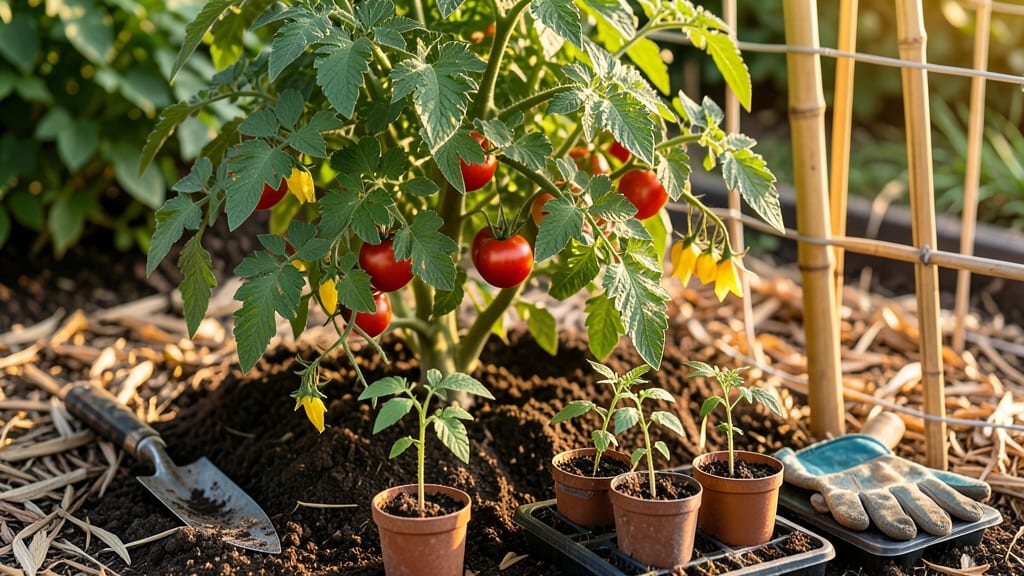
North Carolina tomato planting deadlines by USDA hardiness zone (avoid frost & bolting)
North Carolina’s diverse climate zones mean your tomato planting timeline depends heavily on where you live. The state spans USDA zones 7a to 8b, with coastal areas warming earlier than the mountains.
Missing the window by even a week can trigger bolting—when plants flower prematurely and produce bitter fruit instead of juicy tomatoes.
For most of North Carolina, the sweet spot for planting tomatoes is between mid-April and early June. But this varies by region: coastal gardeners can start as early as late March, while mountain growers should wait until late May.
The key is planting after your average last frost date—and when soil temperatures hit at least 60°F.
Why timing matters: Tomatoes are heat-loving annuals that bolt when stressed by cold. Planting too early risks frost damage, while waiting too long cuts your harvest window. NC’s humidity and summer heat also demand precise scheduling to avoid blossom-end rot or sunscald.
🌱 Pro Tip: Use a soil thermometer to confirm readiness. If your soil is below 60°F, even after the last frost, your tomatoes won’t thrive. Black plastic mulch can warm soil by 5-10°F faster than bare earth.
If you’re unsure about your exact last frost date, check the NC State Climate Office or use the Almanac’s Frost Calculator. For mountain zones like Asheville (7a), aim for June 1 as your final deadline—any later, and your tomatoes may struggle with NC’s short growing season.
🌱 Variety Matters: Early-season varieties like 'Stupice' (70 days) work for mountain zones, while 'Better Boy' (80 days) thrives in the Piedmont. Coastal gardeners can even grow two crops: an early spring planting and a late summer succession crop.
For container gardening in NC, start seedlings indoors 6-8 weeks before your last frost and transplant after soil warms. Containers heat up faster, so monitor soil temps closely—especially in urban heat islands like Raleigh or Charlotte.
Remember: Succession planting every 2-3 weeks after your initial window extends your harvest. In zone 8b, you might squeeze in three tomato crops by staggering plantings through early June.
🌱 Final Check: Before planting, test your soil’s pH (6.0–6.8) and amend with compost. Tomatoes are heavy feeders, so enrich your beds with aged manure or a balanced fertilizer like 10-10-10.
North Carolina tomato planting deadlines by USDA hardiness zone (avoid frost & bolting)
North Carolina’s diverse climate zones (from 7a in the mountains to 8b along the coast) mean your tomato planting timeline should never be one-size-fits-all. The key to avoiding frost damage or bolt risk is knowing your last frost date and soil temperature thresholds.
For most of NC, that means waiting until mid-April to early June, but coastal areas can start earlier.
Even within the same zone, microclimates (like urban heat islands or sheltered valleys) can shift your ideal planting window by 1-2 weeks. Always check your local ag extension office for precise frost dates—because a late spring freeze can turn your 60-day tomato into a 60-day disappointment.
🌱 North Carolina Tomato Planting Deadlines by Zone
| Zone | Last Frost Date | Ideal Planting Window | Soil Temp Threshold | Notes |
|---|---|---|---|---|
| 7a (Mountains) | Mid-May | Late May–Early June | 60°F+ | Short season; choose early-maturing varieties (e.g., 'Stupice'). |
| 7b (Piedmont) | Early April | Mid-April–Mid-May | 60°F+ | Longer season; great for heirlooms like 'Brandywine'. |
| 8a (Coastal Plain) | Mid-March | Early April–Early May | 55°F+ | Humidity risk; use disease-resistant varieties (e.g., 'Celebrity'). |
| 8b (Southeast NC) | Late February | March–April | 50°F+ | Longest season; try late varieties (e.g., 'Cherokee Purple'). |
Pro Tip: Use black plastic mulch to warm soil 10-15°F faster in cooler zones.
If you’re starting seeds indoors, begin 6-8 weeks before your last frost date. For NC, that means mid-February to early April, depending on your zone. Use grow lights to prevent leggy seedlings—weak stems break easily when transplanting, which is a surefire way to stunt growth.
For transplanting seedlings, wait until nighttime temperatures stay above 50°F and soil is at least 60°F. Coastal gardeners can often plant 2-3 weeks earlier than inland areas, thanks to milder nights. Just watch for humidity-related diseases like early blight in these warmer zones.
Remember: Succession planting is your secret weapon. In NC’s 8b zone, you can squeeze in two tomato crops—one in early spring and another in mid-summer—by choosing fast-maturing varieties for the second round. Just be ready to harvest quickly before fall frosts arrive.