
Plants
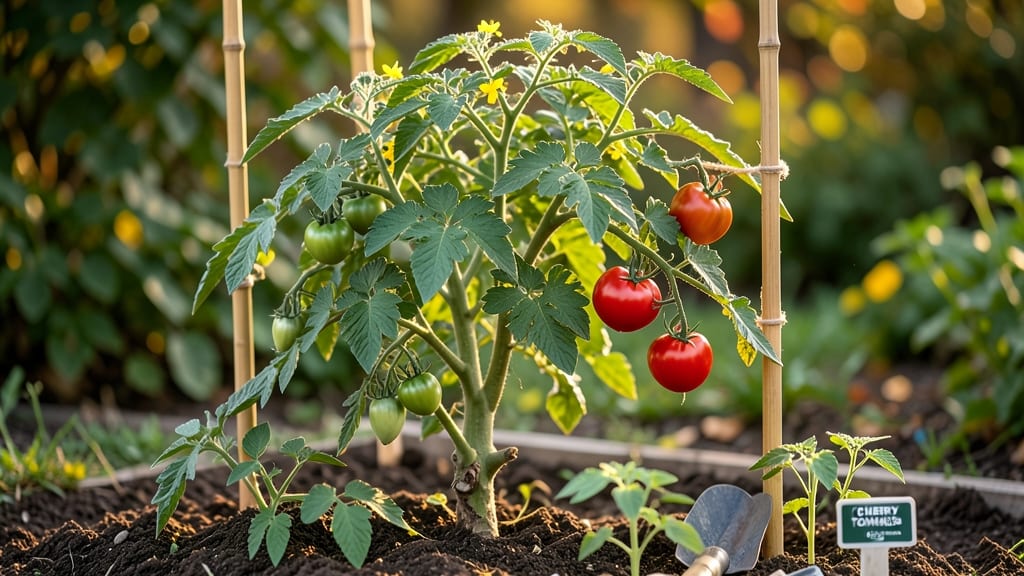
Timing when to plant fall tomatoes in South Texas isn't just about the calendar—it's about beating the first frost while avoiding summer's scorching heat. Plant too early, and your 🍅 plants will wilt under 90°F+ soil; too late, and a sudden cold snap will leave you with green, unripe fruit.
The difference between a bumper crop and a failed harvest often comes down to knowing those county-specific deadlines.
With USDA zones 9a-10a offering a longer growing season than most regions, South Texas gardeners have a unique advantage—but only if they play by the rules. The ideal window runs from late July to early September, but your exact timing depends on where you live.
Harris County's urban heat island effect, for example, gives you an extra week compared to cooler areas like the Hill Country.
This isn't just about throwing seeds in the ground and hoping for the best. You'll discover how to calculate your personal frost date using NOAA data, which varieties like 'Solar Fire' or 'Cherokee Purple' thrive in late-season heat, and how to stretch your harvest window with row covers.
Let's cut through the guesswork so you can enjoy homegrown tomatoes from October through December.
Whether you're a first-time gardener or a seasoned grower, these strategies will help you avoid common pitfalls like overwatering before frost or ignoring soil pH adjustments.
By the end, you'll have a clear, county-by-county roadmap to planting tomatoes that actually mature in time—no more disappointed dreams of a fall harvest.
South Texas County deadlines: exact planting dates by frost zone
Timing your fall tomato planting in South Texas isn’t just about avoiding frost—it’s about matching your schedule to local microclimates and USDA zones 8a–10a. The average first frost in most South Texas counties hits between mid-December and mid-January, but your planting window starts much earlier.
For transplants, aim for 6–8 weeks before frost, meaning late July to early September in most areas. Seed-starting? Begin indoors 8–10 weeks earlier (May–June) to give seedlings time to harden off before transplanting.
Your county’s frost risk dictates your deadline. For example, Harris County (Houston) has a higher frost risk than Val Verde County (Del Rio), so adjust accordingly. Below, I’ve broken down the ideal transplant dates by county, using NOAA frost data and local gardener feedback.
These dates assume you’re planting heat-tolerant varieties like 'Solar Fire' or 'Celebrity', which thrive in South Texas’ lingering summer heat.
Pro tip: Use a soil thermometer to confirm your soil is at least 60°F before transplanting. Cold soil slows root growth, and fall tomatoes need strong roots to handle late-season heat waves.
If your soil runs cooler (common in clay-heavy areas like Bexar County), wait until early September for transplants or use black plastic mulch to warm the soil faster.
| County | USDA Zone | Transplant Window | Last Call for Seed-Starting | Notes |
|---|---|---|---|---|
| Harris (Houston) | 9a | Late July–Early Aug | May 15–June 15 | High humidity; watch for fungal diseases |
| Dallas | 8b | Early Aug–Mid-Aug | May 1–June 10 | Cooler nights; extend season with row covers |
| Bexar (San Antonio) | 8a | Mid-Aug–Early Sept | May 10–June 20 | Clay soil; amend with compost |
| Val Verde (Del Rio) | 9b | Late Aug–Early Sept | June 1–June 15 | Low frost risk; can plant later |
| Galveston | 9a | Late July–Early Aug | May 15–June 15 | Coastal; higher humidity |
*Dates based on 10-year NOAA frost averages; adjust 1–2 weeks for early/late years.
If you’re seed-starting, don’t wait until the last call date—start early and transplant 6–8 weeks before frost. For example, in Bexar County, begin seeds by June 20 to transplant by August 15.
Use grow lights if your indoor space is dim; seedlings stretched for light won’t survive transplant shock. My go-to varieties for fall include 'Solar Fire' (heat-tolerant), 'Celebrity' (reliable), and 'Cherokee Purple' (cold-hardy).
For container gardening, shift your timeline 2 weeks earlier. Pots cool faster than soil, so transplant late July in most counties to give roots time to establish. Use 5-gallon containers with well-draining soil and cactus/succulent mix to prevent waterlogging.
In clay-heavy soils (common in Bexar), add perlite or vermiculite to improve drainage—root rot is a silent killer
How to stretch your fall tomato season: 3 proven strategies for late harvests
South Texas gardeners know that a 60-day tomato planted in early August might still need 30 more days of warmth to ripen before frost hits. The key to success? Extending your growing window with smart strategies that work with—not against—your local climate.
Here are three battle-tested tactics to keep your tomatoes producing well into December.
First, choose cold-hardy varieties like 'Solar Fire' or 'Cherokee Purple'. These heat-tolerant tomatoes can handle 90°F+ soil temperatures while still maturing quickly. Pair them with row covers to trap warmth and shield plants from unexpected early frosts—a game-changer in zones 9a-10a where frost can arrive as early as mid-December.
🌱 Visual Tip: Use floating row covers (like Agribon) to create a microclimate that adds 5-8°F of protection without smothering your plants.
🔢 3 Proven Strategies for Late Harvests
- 1. Variety Selection: Plant 'Solar Fire' or 'Celebrity'—both mature in 60-70 days and tolerate late-season heat.
- 2. Row Covers: Install floating covers by October 15 to delay frost damage by 2-3 weeks.
- 3. Soil Warming: Use black plastic mulch in August to raise soil temps 5-10°F for faster growth.
Next, calculate your personal frost date using NOAA’s historical frost maps for your county. For example, Harris County averages its first frost on December 15**, while Dallas County sees frost 3-5 days earlier.
Plant your fastest-maturing tomatoes (like 'Early Girl') 8 weeks before your frost date to ensure they ripen in time.
Don’t overlook soil warming tricks either. Lay down black plastic mulch in early August to raise soil temperatures by 5-10°F, giving your tomatoes a head start. Combine this with drip irrigation to maintain consistent moisture—critical in South Texas’ clay-heavy soils that dry out quickly.
Finally, harvest strategically. Pick tomatoes when they’re 75% ripe and let them finish ripening indoors. This extends your harvest window by 2-4 weeks and ensures you don’t lose fruit to frost.
Store them in a cool, dry place (like a garage) to slow ripening until you’re ready to enjoy them.
With these strategies, you’ll turn South Texas’ long growing season into a tomato lover’s paradise—no more missed harvests! 🍅