
Plants
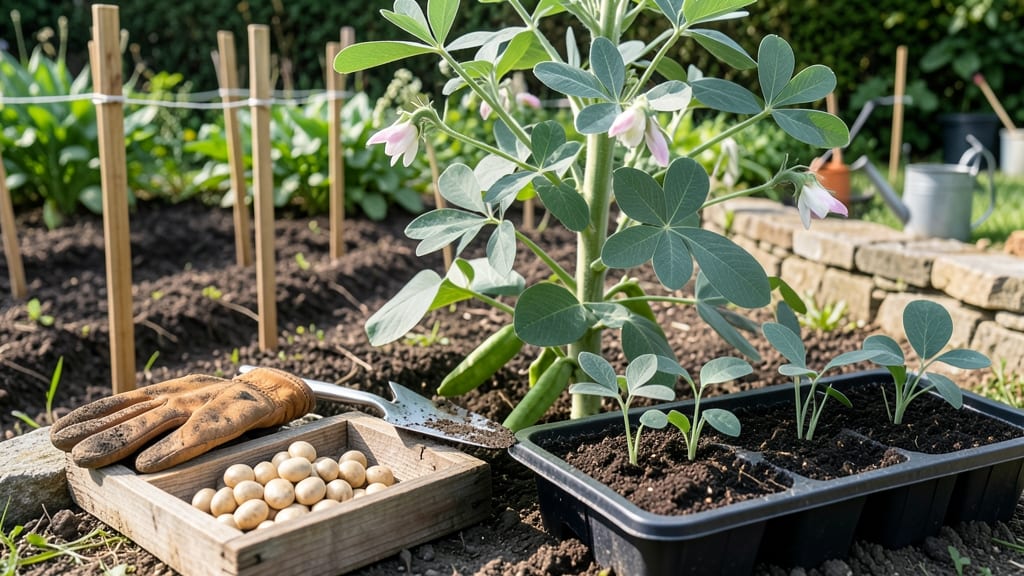
Timing your fava bean planting in California isn’t just about the calendar—it’s about dodging frost in inland valleys while coastal gardeners enjoy year-round growing freedom. One wrong move, and your 🌱 fava beans could bolt in summer heat or freeze before producing pods.
The key? Planting between September and December, but the exact window depends on whether you’re in Zone 10’s coastal fog belt or Zone 8’s frost-prone Central Valley.
Most gardeners in California’s coastal regions (like San Francisco or Santa Barbara) can sow seeds as late as December, knowing mild winters won’t kill tender seedlings.
But inland growers in Sacramento or Fresno must plant by November to avoid the first frost, which typically hits between November 15 and December 15. Soil temperature drops below 70°F signal it’s finally safe to plant—no more waiting for summer’s scorching heat.
Here’s the game-changer: coastal gardeners can even try a spring escape (planting in January) for an early harvest, while inland growers should stick to fall. The goal?
Get those seeds in the ground 60-90 days before your area’s last frost date—because once they sprout, frost will finish them off faster than you can say “pods for dinner.”
Ready to avoid the most common mistakes? I’ll walk you through exactly when to plant in your specific zone, how to stretch your growing season, and why soil temperature matters more than the date on your calendar. Let’s make sure your fava beans thrive—not just survive—this California growing season.
California’s frost-free deadlines for planting fava beans by Zone
California’s microclimates create a head-scratcher for fava bean lovers. While coastal gardeners in San Francisco or Santa Barbara can plant until December, inland growers in Sacramento or Fresno must finish by November to avoid frost.
The difference? Soil temperature and first-frost dates—not just the calendar. Let’s break down your exact planting window based on where you live.
Fava beans thrive in cool weather (50-70°F), making them perfect for California’s fall planting. But timing is critical: plant too early, and summer heat will stress seedlings; too late, and frost will kill them.
Your USDA zone determines the cutoff—coastal Zone 10 gardeners have until December, while Zone 8 inland growers must plant by November 15.
Here’s the golden rule: aim to plant 60-90 days before your area’s last frost date. Coastal areas? No frost risk—just watch for soil temps below 70°F. Inland? Start by September 15 to ensure harvests before winter chill sets in.
| Zone & Location | Planting Window | Soil Temp Threshold | First Frost Risk |
|---|---|---|---|
| Coastal (Zone 9-10) San Francisco, Santa Barbara |
October 1 – December 15 | Below 70°F | None (year-round growing) |
| Inland Valleys (Zone 8-9) Sacramento, Fresno |
September 15 – November 15 | Below 70°F | November 15 – December 15 |
| High Desert (Zone 5-6) Mammoth Lakes, Bishop |
August 1 – September 30 | Below 65°F | October 1 – November 1 |
For coastal gardeners, December planting is still safe because mild winters rarely drop below 40°F. But inland growers should start by September 15—frost can hit as early as November 15 in Zone 8.
High-desert areas? Plant by September 30 to avoid early frosts that can kill seedlings overnight.
Pro tip: Check your local frost dates using the USDA Plant Hardiness Map or your county extension office. Even a 28°F night can wipe out young fava plants, so don’t gamble with late plantings.
Soil temperature is your true north. Use a soil thermometer to confirm temps are below 70°F before planting. Summer heat (>85°F) will cause seeds to rot, while winter chills (<40°F) stunt growth. Fall is the sweet spot—cool days and warm nights.
If you’re in Zone 10 (coastal), you can even try a January planting for an early spring harvest. But inland gardeners? Stick to fall—spring plantings risk summer bolting. The key is reading your microclimate, not just following general rules.
Ready to plant? Grab your seeds, test your soil pH (6.0-7.5), and mark your calendar for 60-90 days until harvest. With the right timing, you’ll have tender fava pods by winter—no frost-related disappointments!
How to extend your fava bean season in California’s variable climate
California’s coastal fog belts and inland heat islands create unique opportunities to grow fava beans year-round—but only if you use the right strategies.
Coastal gardeners in Zone 10 can enjoy fall, winter, and even spring plantings, while inland growers in Zone 8 must focus on early fall escapes or cold-hardy varieties. The secret? Succession planting, row covers, and microclimate tweaks.
For coastal gardeners, December plantings are still safe because mild winters rarely drop below 40°F. But if you want an early spring harvest, try a January planting—just be ready to harvest by March or April before summer heat arrives.
Inland growers, however, should stick to September-October plantings to avoid frost, but you can extend harvests by using row covers in late fall.
Here’s how to maximize your growing window in California’s variable climate:
🌱 COASTAL GARDENERS (Zone 9-10)
🌡️ INLAND GARDENERS (Zone 8-9)
🏔️ HIGH DESERT (Zone 5-6)
For coastal gardeners, succession planting every 4-6 weeks from October to December ensures a steady supply of fresh pods. If you’re in Zone 10, you can even plant in January for an early spring harvest—just be ready to harvest by March before summer heat sets in.
Use lightweight row covers to protect seedlings from coastal winds and slugs.
Inland growers should focus on early fall plantings (by September 15) and use cold-hardy varieties like 'Early Bird' or 'Aquadulce Claudia'. These varieties tolerate light frosts (28°F) and produce pods faster. If you’re in Zone 8, avoid spring plantings—summer heat will cause bolting (premature flowering) and bitter pods. Instead, plant in September and harvest by February.
High-desert gardeners in Zone 5-6 have the shortest window but can still succeed with <