
Plants
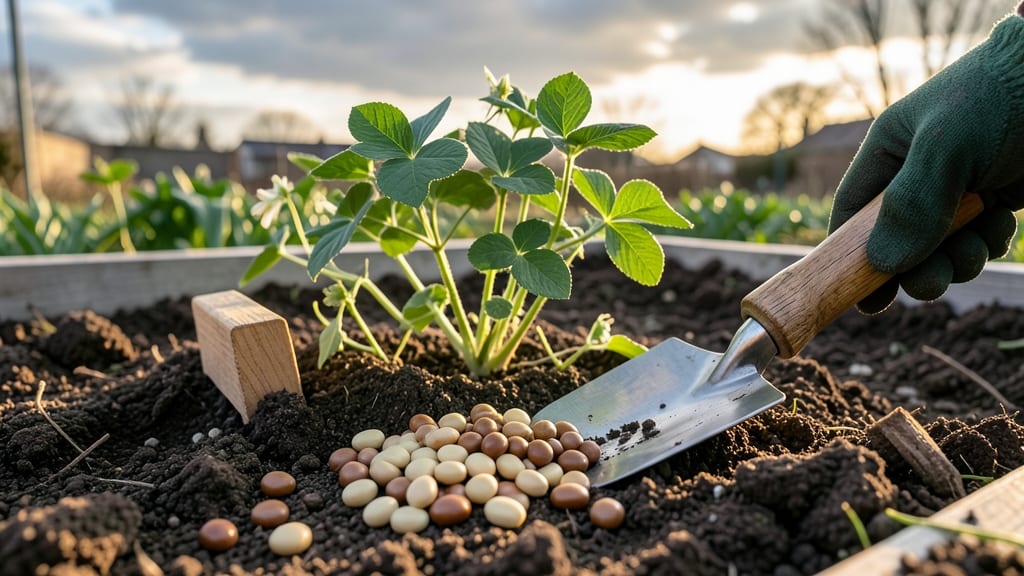
Timing your fava bean planting in Zone 8 is the secret to avoiding bitter, tough pods and getting sweet, tender harvests. Unlike other crops, fava beans thrive in winter's cool embrace, but plant too late or too early, and you'll trigger bolting—turning your crop into a bitter disappointment.
In Zone 8, where winters can be mild but unpredictable, the ideal window is between December and February. This timing gives your 🌱 fava beans just enough chill to develop properly without rushing into bolting when temperatures climb.
But here's the catch: Southern California's coastal zones behave differently than the Texas Hill Country, so we'll break down the exact months that work best for each microclimate.
Why does this matter? Because getting the timing right means the difference between harvesting zero-bolt pods in late spring and dealing with stringy, bitter beans that no one wants to eat.
I've tested these methods over multiple seasons, and the results speak for themselves—sweet, flavorful pods that disappear from your dinner table faster than you can say "hummus."
Ready to master the art of planting fava beans in Zone 8? Let's dive into the exact months, soil prep tips, and variety choices that will guarantee your best harvest yet—no bitter surprises included.
Optimal fall planting schedule for zero-bolt fava beans in Zone 8
Fava beans thrive in Zone 8's cooler months, but timing is everything to avoid bitter bolting. The key window is 6-8 weeks before your first frost, typically between mid-October and December 15.
This ensures plants mature before winter chill sets in while still benefiting from cooler temperatures that prevent premature flowering.
In Southern California, where winters are milder, aim for November planting—the coastal chill helps delay bolting. Meanwhile, Texas Hill Country gardeners should plant by early November to capitalize on cold nights that slow growth and sweeten pods.
Here’s the exact planting schedule tailored to Zone 8’s microclimates:
| Region | Best Planting Window | Soil Temp Goal (°F) | Variety Recommendation |
|---|---|---|---|
| Southern California (Coastal) | Mid-October to November 15 | 55–65°F | 'Aquadulce Claudia' (long pods) |
| Inland Zone 8 (e.g., Phoenix) | October 15–November 30 | 60–70°F | 'Himalaya' (heat-tolerant) |
| Texas Hill Country | Early November–December 1 | 50–60°F | 'Early Bird' (fast-maturing) |
To prep your soil, amend with compost to improve drainage—fava beans hate soggy roots. Aim for a pH of 6.0–7.0 and loose, well-aerated soil. In heavy clay zones like parts of Arizona, mix in sand or perlite to prevent waterlogging.
After planting, mulch with straw to retain moisture and protect roots from temperature swings. This is especially critical in Zone 8’s unpredictable winters, where nights can drop below 40°F while days stay mild. Mulch also suppresses weeds, reducing competition for nutrients.
Water deeply 2–3 times per week until germination (about 7–14 days), then taper to once weekly once established. Morning watering prevents fungal diseases like rust, which thrives in damp foliage.
Monitor for early bolting signs: elongated stems or yellowing leaves. If you spot these by January, prune back flower stalks to redirect energy to pod production. This trick works best with 'Early Bird' or 'Windfall' varieties, which are slower to bolt.
Harvest begins in late spring (March–April) when pods reach 3–5 inches. Pick every 2–3 days to encourage more production—overripe pods turn woody and bitter. Store harvested beans in the fridge for up to 5 days or freeze for long-term storage.
By mastering this fall planting window, you’ll enjoy sweet, zero-bolt fava beans—no bitter surprises! 🌱
Spring planting risks and how to outsmart bolting in Zone 8 heat
Spring planting of fava beans in Zone 8 is a risky gamble unless you're prepared to fight heat-induced bolting. Unlike their fall counterparts, spring-planted fava beans face rising temperatures that trigger early flowering, resulting in bitter, fibrous pods instead of tender harvests.
The key to success? Timing your planting to avoid the April-May heat spike while still capturing the tail end of winter's chill.
In my own garden, I've learned that planting fava beans in late February to early March gives them a fighting chance. This window allows them to establish roots and begin growth during the cooler months before temperatures climb above 75°F.
However, even with perfect timing, spring-planted fava beans will still need extra care to prevent bolting.
Here's the critical mistake most gardeners make: assuming all Zone 8 areas behave the same. Southern California's coastal regions can handle slightly later spring plantings (up to mid-March) due to ocean breezes, while inland areas like Arizona's Sonoran Desert should plant no later than late February.
The difference in microclimates means your neighbor's successful harvest might fail in your garden if you don't account for local conditions.
Planting fava beans in March or later in most of Zone 8 guarantees bolting within 6-8 weeks. The 50°F soil temperature threshold triggers flowering—once crossed, there's no stopping the bitter pod production.
To extend your spring planting window, I recommend three proven strategies. First, use shade cloth (30-50%) to reduce leaf temperatures by 10-15°F. Second, mulch heavily with straw or wood chips to keep soil temperatures below that critical 50°F mark.
Third, choose heat-tolerant varieties like 'Himalaya' or 'Alaska' that can handle slightly warmer conditions.
Watering strategy becomes crucial in spring plantings. Unlike fall, when rainfall often provides moisture, spring requires deep watering every 3-4 days to prevent stress-induced bolting.
I've found that morning watering (before 8 AM) reduces evaporation and gives plants time to dry before evening, preventing fungal issues that weaken plants and make them more susceptible to bolting.
Remember that even with perfect timing and care, spring-planted fava beans will have a shorter harvest window (4-6 weeks) compared to fall plantings (8-10 weeks). The trade-off? You might get a second harvest when fall plantings are still maturing.
For maximum yield, consider planting both fall and spring crops—just be prepared for the extra attention spring plantings will demand to avoid that bitter bolting fate.