
Plants
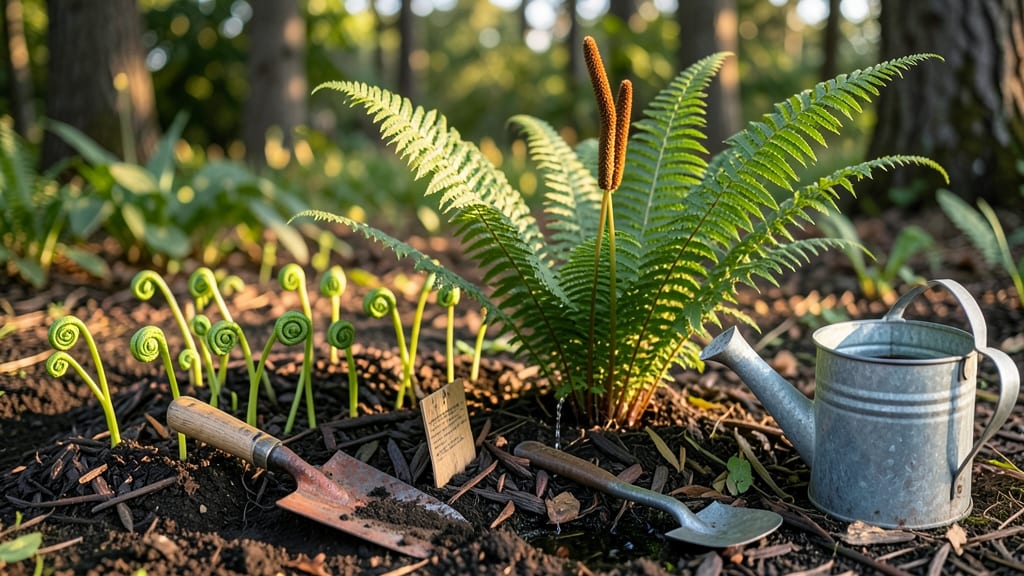
If you've ever struggled with when to plant ferns in Michigan, you're not alone—getting the timing right can mean the difference between lush, thriving 🌿 foliage and struggling plants that never quite take off.
Michigan's climate, with its USDA Zones 5-6, demands precision when it comes to planting ferns. Whether you're a seasoned gardener or just starting, knowing the best months to plant ensures your ferns establish strong roots before summer heat or winter frost sets in.
Spring planting works best after the last frost—typically mid-April to early May—but early fall (4-6 weeks before the first frost) is another great option. The key is giving your ferns enough time to settle in before extreme temperatures arrive.
In this guide, I'll walk you through the best planting windows, soil prep tips, and the top fern varieties that thrive in Michigan's conditions. Let’s get those ferns growing strong and healthy!
Ideal planting months for ferns in Michigan’s climate zones
Michigan’s USDA zones 5-6 create a unique challenge for fern planting, where last frost dates vary dramatically—from mid-April in southern Michigan to early May in the Upper Peninsula.
Ferns thrive in cool, moist conditions, so timing your planting to avoid late spring frosts while capitalizing on soil warmth is critical for success.
Most gardeners in Michigan opt for two primary planting windows: early spring (right after frost risk passes) and early fall (4-6 weeks before first frost). Each approach has distinct advantages depending on your local microclimate and fern variety.
Let’s break down the best months for each strategy to maximize your ferns’ survival and growth potential.
🌱 Visual Guide: Michigan Fern Planting Timeline
| Planting Window | Best Months | Soil Temp Requirement | Key Considerations |
|---|---|---|---|
| Spring Planting | Late April - Mid-May | 45°F+ (7°C+) | Avoid late frosts; mulch heavily for root protection. |
| Early Fall Planting | September - Early October | 50°F+ (10°C+) | Ideal for hardy varieties; roots establish before winter. |
| Extended Window (Containers) | August - November | 40°F+ (4°C+) | Move containers indoors in winter; protect from freezing. |
| Avoid Planting | June - July | N/A | Summer heat stresses ferns; roots struggle to establish. |
For spring planting, aim to get ferns in the ground 2-4 weeks after your last frost date. In southern Michigan, this typically means late April to early May, while northern regions should wait until mid-May.
The key is ensuring soil temperatures reach at least 45°F (7°C)—fern roots are sensitive to cold and won’t establish properly in chilly soil.
If you choose fall planting, the window is even more forgiving. Planting in September or early October gives ferns 4-6 weeks to establish roots before winter dormancy. This method is especially effective for hardy varieties like ostrich ferns, which can tolerate Michigan’s Zone 5 winters with proper mulching.
Just avoid planting too close to frost—first frost dates in Michigan range from mid-October in the south to early October in the north.
Container-grown ferns offer flexibility for Michigan gardeners. You can plant them throughout the growing season, from late spring to early fall, and move them indoors or under cover during winter.
This is ideal for tender varieties like maidenhair ferns, which struggle with Michigan’s cold snaps. Just ensure containers have drainage holes and use lightweight potting mix to prevent waterlogging.
One common mistake in Michigan is planting ferns too early in spring when soil is still cold. Cool-season ferns like wood ferns can handle 40°F (4°C) soil temps, but most varieties prefer warmer conditions.
To test soil readiness, insert a soil thermometer 2 inches deep—if it reads below 50°F (10°C), wait a week or two. In clay-heavy soils common across Michigan, warming happens slower, so adjust your timeline accordingly.
Pro tip: Use mulch (2-3 inches of shredded leaves or bark) to regulate soil temperature and retain moisture. In Michigan’s dry summers, mulch helps prevent ferns from drying out, while in wet springs, it improves drainage.
For shade gardens, apply mulch in early spring to protect emerging fronds from late frost damage.
Remember, Michigan’s microclimates play a huge role. Urban areas like Detroit may experience warmer springs than rural farmlands, while lake-effect zones near the Great Lakes can have cooler, wetter conditions.
Always check your local frost dates and observe your garden’s specific conditions before planting. With the right timing, your ferns will reward you with vibrant foliage all season long!
Ideal planting months for ferns in Michigan’s climate zones
Michigan’s USDA Zones 5-6 create a unique challenge for planting ferns, where timing can make or break your success. The Upper Peninsula (Zone 5) has a shorter growing season, while the Lower Peninsula (Zone 6) offers slightly more flexibility. Both regions require careful attention to frost dates and soil conditions.
For spring planting, aim for mid-April to early May, after the last frost date. In the Lower Peninsula, this typically falls in early May, while the Upper Peninsula may wait until late April.
Early spring planting gives ferns a head start, but soil must be workable and at least 50°F for optimal root growth.
Fall planting is another excellent option, especially in September and October, about 4-6 weeks before the first frost (usually mid-October in Zone 6 and early October in Zone 5). This allows ferns to establish roots before winter dormancy, ensuring stronger growth the following spring.
Here’s a quick breakdown of the best planting windows based on Michigan’s microclimates:
| Region | USDA Zone | Best Spring Planting Window | Best Fall Planting Window |
|---|---|---|---|
| Lower Peninsula | 6 | Early May (after last frost) | September-October (4-6 weeks before frost) |
| Upper Peninsula | 5 | Late April (soil must be workable) | Early September (earlier frost risk) |
If you miss the ideal window, don’t worry—container-grown ferns can be planted slightly later in the season, even into early June, as long as they’re kept well-watered and protected from extreme heat. Just be prepared for slower initial growth.
For shade-loving varieties like the ostrich fern or maidenhair fern, timing is less critical as long as the soil stays moist. These ferns thrive in Michigan’s woodland gardens and can handle cooler temperatures better than sun-loving plants.
Pro tip: Use mulch after planting to retain moisture and regulate soil temperature, especially in Michigan’s unpredictable climate. This simple step can make a huge difference in your ferns’ survival rate.