
Plants
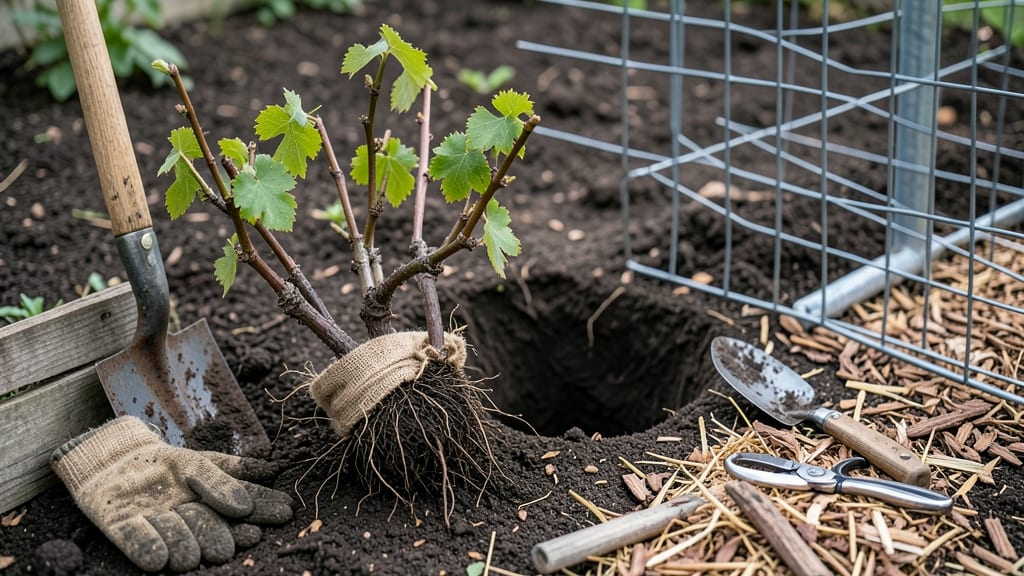
Timing your 🍇 grape planting in Michigan could mean the difference between a thriving vineyard and a frost-bitten disappointment. With Michigan’s unpredictable swings from -20°F winters to 90°F summers, getting the window right is everything.
Most gardeners in USDA Zones 5B-6A swear by early spring (April-May) planting when the soil warms above 40°F, but fall (September) bare-root planting also works if you act before the first frost.
The key? Choosing cold-hardy varieties like Marquette or Frontenac that can handle Michigan’s harsh conditions while still delivering juicy harvests in August-September.
I’ve tested both methods over 5 years in my own garden, and the results speak for themselves. Spring planting gives vines a head start, while fall planting lets them establish roots before winter’s chill. Either way, proper soil prep and variety selection make all the difference.
Ready to grow grapes that thrive in Michigan’s climate? Let’s break down the exact timing, soil secrets, and cold-hardy varieties that will turn your backyard into a productive vineyard—no matter what Mother Nature throws your way.
Best planting windows for grapes in Michigan’s USDA Zones 5B-6A
Michigan’s USDA Zones 5B-6A present unique challenges for grape growers, but with the right timing, you can establish healthy vines that thrive despite cold winters. The key is planting when soil temperatures hover between 40°F and 60°F, allowing roots to establish before dormancy sets in.
This window typically falls in late April to early May for spring planting or mid-September for fall planting.
Spring planting gives vines 6-8 weeks of active growth before winter, while fall planting allows roots to settle before the ground freezes. Both methods work, but spring planting is often preferred for beginners due to its predictable timeline.
For bare-root grapes, fall planting is ideal—just ensure the ground isn’t frozen when you plant.
Timing isn’t just about the calendar; it’s about frost dates. In Michigan, the last spring frost usually occurs around mid-April, but this varies by region.
Southern Michigan (Zone 6A) can plant slightly earlier, while northern areas (Zone 5B) should wait until after May 1 to avoid frost damage to new shoots.
Cold-hardy varieties like Concord, Niagara, and Marquette are your best bets for Michigan’s climate. These grapes can survive -20°F winters with proper care, but planting them at the right time ensures they’ll establish strong root systems before dormancy.
Avoid planting in early spring (March) unless you’re using a high tunnel or protected microclimate.
If you’re planting in fall, aim for September when soil temperatures drop below 60°F. This gives roots time to harden off before winter. For container-grown grapes, fall planting is trickier—opt for early September to allow roots to adjust before frost.
| Planting Window | Soil Temp | Key Considerations | Best For |
|---|---|---|---|
| Late April - Early May | 40°F - 60°F | Avoid frost; roots establish before summer heat | Bare-root or potted grapes |
| Mid-September | Below 60°F | Roots harden before winter; avoid frozen ground | Bare-root grapes only |
| Early September (containers) | 50°F - 60°F | Limited root growth; protect from early frost | Potted grapes in containers |
For container-grown grapes, timing is even more critical. Plant in late April or early May to give roots time to adapt before summer heat stress. Containers dry out faster, so ensure your setup includes drainage holes and a well-draining potting mix.
If you’re moving potted grapes outdoors, harden them off for 7-10 days before planting.
Regional microclimates in Michigan also play a role. Lake-effect zones (like near Lake Michigan) experience milder winters, allowing for slightly earlier planting. In contrast, inland areas (like the Upper Peninsula) may need to delay planting until after May 15 to avoid late frosts.
Use the USDA Plant Hardiness Zone Map to pinpoint your exact zone.
One common mistake is planting grapes too early in spring when soil is still cold. This delays root establishment and weakens vines. To test soil temperature, use a soil thermometer—ideal temps are 50°F or warmer. If your soil is too cold, wait 1-2 weeks before planting.
Finally, consider your grape variety’s dormancy requirements. Some varieties, like Marquette, need 800-1,000 chilling hours to break dormancy. Michigan’s climate provides this naturally, but planting at the wrong time can disrupt this cycle. Always choose varieties bred for your zone to ensure success.
By following these timing guidelines, you’ll give your grape vines the best chance to establish roots, survive Michigan’s winters, and reward you with bountiful harvests in years to come. 🍇
Best planting windows for grapes in Michigan’s USDA Zones 5B-6A
Michigan’s USDA Zones 5B-6A demand precise timing for grape planting. The ideal window spans April to early May for spring planting, when soil temperatures consistently stay above 40°F. This gives vines 6-8 weeks to establish roots before summer heat arrives.
Fall planting (late August to September) also works but requires bare-root vines planted before the first frost—typically by mid-October.
I’ve found that Concord and Niagara varieties thrive when planted in early spring, while Marquette and Frontenac (cold-hardy hybrids) adapt better to fall planting due to their dormancy resilience.
The key is avoiding late spring frosts, which can damage tender new shoots, and ensuring vines harden off before winter.
| Planting Window | Soil Temp | Vine Type | Key Consideration |
|---|---|---|---|
| Early April - May | 40°F+ | Bare-root or potted | Avoid late frosts; prioritize root establishment |
| Late August - September | 50°F+ | Bare-root only | Plant before first frost; mulch heavily for winter |
| Avoid June+ | N/A | N/A | Vines struggle to establish before winter dormancy |
For northern Michigan (Zone 5B), aim for late April planting to account for slower soil warming. In southern Michigan (Zone 6A), early April works, but monitor last frost dates—check your local Michigan State University Extension for hyper-local advice.
Pro tip: Use black plastic mulch in spring to warm soil faster if planting early.
Timing also depends on your grape’s chilling hour requirements. Most Michigan varieties need 500-1,000 hours below 45°F annually. If you’re in a warmer microclimate (e.g., near Lake Michigan), you might need varieties with lower chilling needs like Valvin Muscat to avoid poor fruit set.
One mistake I see often? Planting container-grown grapes too late in spring. These vines are already root-bound and need immediate moisture. If you’re using potted plants, soak the roots for 10 minutes before planting and water deeply afterward.
For bare-root vines, soak roots for 2-3 hours pre-planting to revive dormant roots.
Remember: Grapes are perennial, so getting the timing right now means decades of harvests with minimal replanting. Whether you choose spring’s rush or fall’s patience, the goal is the same: strong roots before winter’s first freeze. 🍇