
Flowers
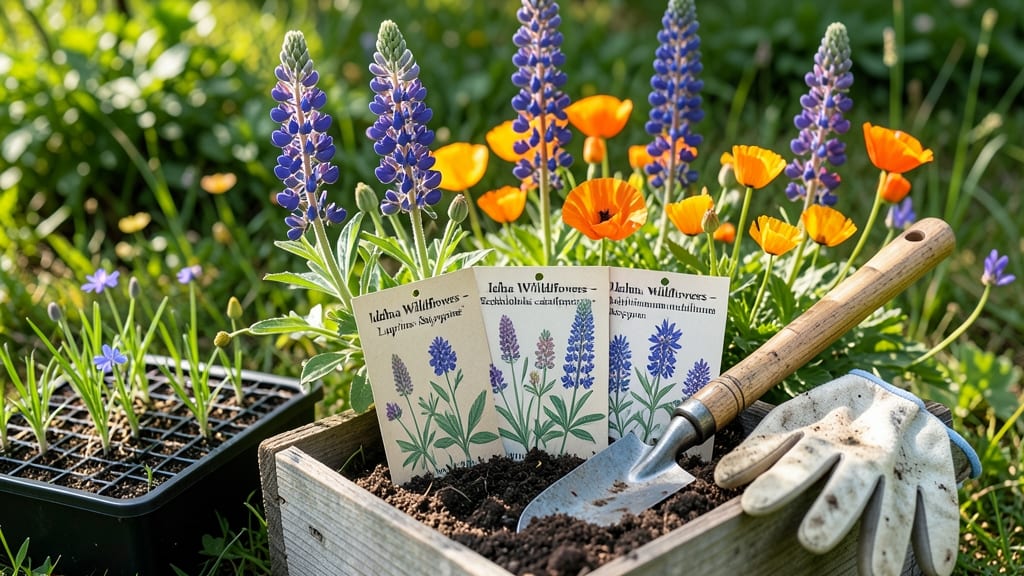
When to plant flowers in Idaho isn’t just about the calendar—it’s about outsmarting frost, soil temperatures, and the state’s dramatic shifts from Zone 4’s deep freezes to Zone 7’s balmy valleys. Miss the window by even a week, and your 🌸 could end up as a sad, half-bloomed memory instead of the vibrant garden you dreamed of.
Whether you’re in Boise’s high desert or Coeur d’Alene’s lakeside microclimate, the last frost date isn’t just a number—it’s your garden’s deadline. Plant too early, and a late freeze will wipe out your seedlings. Too late, and you’ll miss the 60-day bloom window for summer favorites like zinnias or snapdragons.
The good news? With the right zone-specific schedule, you can stretch your growing season by weeks—and even trick frost into playing by your rules.
I’ve dug into Idaho’s USDA Hardiness Zones 4-7 to give you the exact months to plant annuals, perennials, and bulbs, plus how to use row covers to push deadlines.
No more guessing whether your pansies will survive a May chill or if your delphiniums will tower over your fence by July. Let’s turn your garden into a zero-frost blooms success story—starting with the first shovel in the soil.
Ready to learn how? We’ll cover everything from soil temperature checks to the 3 most frost-tolerant annuals for Idaho, so you can confidently mark your calendar and watch your garden thrive—no matter where you are in the state.
Idaho’s frost zones and critical planting deadlines by month
Idaho’s diverse climate—from the high desert’s Zone 4 to the Palouse’s Zone 7—means your planting deadlines depend heavily on where you live. The USDA Hardiness Zone map is your first tool, but local frost data from Idaho State University Extension adds precision.
For example, Boise (Zone 6b) averages its last frost on May 15, while Coeur d’Alene (Zone 5a) sees frost linger until May 10. These dates aren’t just numbers—they’re the difference between vibrant blooms and frost-nipped failures.
Annual flowers like zinnias and marigolds are frost-sensitive and must wait until soil warms to 50°F (10°C). Cool-season bloomers such as pansies and snapdragons, however, thrive when planted 4-6 weeks before the last frost.
Perennials like bearded irises and daylilies can handle early spring planting, but bulbs like tulips need to go in the fall—typically by October 15 in most of Idaho.
Here’s the critical month-by-month breakdown for Idaho’s most popular flowers, tailored to the state’s USDA Zones 4-7. Use this as your planting calendar, but always double-check with your local Almanac frost dates—they’re the most reliable for your specific microclimate.
| Zone | Last Frost Date | Best Planting Window | Flowers to Plant | Notes |
|---|---|---|---|---|
| Zone 4 (North Idaho) | May 10–May 15 | May 15–June 15 | Zinnias, Marigolds, Petunias, Snapdragons | Use row covers for early starts. |
| Zone 5 (Coeur d'Alene, Sandpoint) | May 1–May 10 | May 10–June 10 | Pansies, Calendulas, Sweet Alyssum, Coreopsis | Cool-season blooms thrive here. |
| Zone 6 (Boise, Twin Falls) | May 10–May 20 | May 20–June 20 | Sunflowers, Dahlias, Roses, Lavender | Soil warms faster in valleys. |
| Zone 7 (Treasure Valley) | May 15–May 30 | May 30–July 1 | Geraniums, Salvia, Black-Eyed Susans, Gaillardia | Longer growing season extends deadlines. |
| All Zones (Fall Planting) | October 1–October 15 | September 1–October 1 | Pansies, Sweet Peas, Calendulas, Bulbs (tulips, daffodils) | Plant bulbs 6–8 weeks before first frost. |
🌱 Pro Tip: Check your local Almanac for 3-year averages—they’re more accurate than zone maps alone.
For warm-season flowers like tomatoes (yes, they’re flowers first!) and hollyhocks, wait until after the last frost and when nighttime temps stay above 55°F (13°C).
In Zone 4, that might mean waiting until June 1, while Zone 7 gardeners can start as early as May 20. Succession planting—sowing new seeds every 2-3 weeks—keeps your garden blooming longer and avoids gaps when early flowers fade.
Don’t overlook fall planting! Many flowers, like pansies and sweet peas, thrive when sown in late summer or early fall. They’ll bloom through winter’s mild spells and often rebloom in spring.
For bulbs, tulips and daffodils need to be in the ground by October 15 in most of Idaho—earlier in Zone 4 areas. Planting too late means they’ll rot before winter.
If you’re new to Idaho gardening, start with cold-hardy annuals like calendulas or sweet alyssum. They’re forgiving if you misjudge the frost date, and their bright colors hide any early-season mistakes. For perennials, plant in early spring
How to extend your Idaho flower season with smart planting strategies
Idaho’s short growing season doesn’t mean your flower garden has to be short-lived. With the right strategies, you can stretch your blooms from early May to late October—or even longer with a few tricks.
The key? Succession planting, cold-hardy varieties, and protective tools like row covers to push your deadlines by 2-4 weeks.
For example, in Zone 5 (like Boise), planting pansies in late August can give you cheerful blooms until a hard frost, while zinnias started indoors in March will be ready for May planting. Even in Zone 4 (northern Idaho), you can coax extra weeks of color with the right approach.
Here’s how to make it work—plus the top 3 frost-tolerant annuals that thrive in Idaho’s unpredictable climate.
For gardeners in Zone 7 (like Lewiston), you can even try fall planting of pansies or snapdragons in September for winter color—just cover them with mulch to protect from light freezes.
Pro tip: Always check soil temps with a soil thermometer—most flowers need 50°F (10°C) to germinate. In Idaho’s high desert, this can mean waiting until mid-May even if the air feels warm.
With these strategies, your Idaho garden can bloom longer and brighter—no matter where you are in the state. 🌸