
Flowers
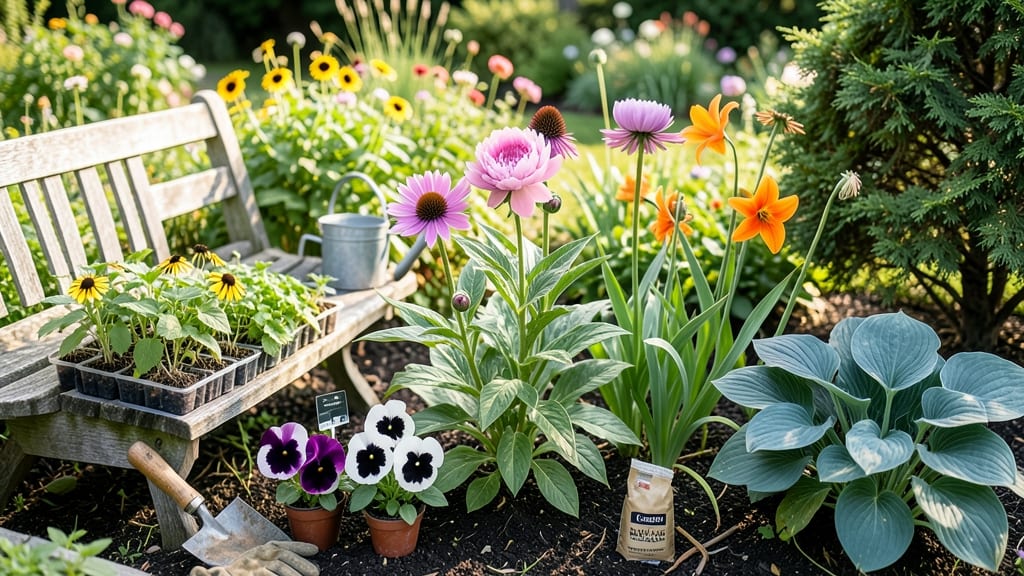
Timing your flowers planting in Pittsburgh isn’t just about following a calendar—it’s about dodging late frosts that can turn your garden dreams into sad, wilted memories.
With Zone 6a’s unpredictable swings, knowing when to plant 🌸 annuals like marigolds or perennials like daylilies means the difference between a burst of color and a season of disappointment.
Most gardeners wait until after the last frost—typically mid-April to mid-May—but that’s not the whole story. Some hardy varieties, like tulips, can go in the ground as early as March, while heat-loving petunias need to wait until soil warms to 60°F.
The key? Understanding Pittsburgh’s microclimates, from urban heat islands to sheltered backyard spots.
In this guide, I’ll break down the exact planting windows for your favorite flowers, plus pro tips to stretch your season without risking frost damage. Whether you’re a first-time gardener or a seasoned green thumb, these insights will help you time it right—so your garden blooms like never before.
Ready to transform your yard into a vibrant showcase? Let’s dive into the perfect planting schedule for Pittsburgh’s climate, so you can enjoy flowers from spring through fall without the guesswork.
Pittsburgh’s frost-free timeline: critical planting dates by flower type
Pittsburgh’s Zone 6b-7a climate creates a delicate balance between last frost dates and ideal planting windows. The average last frost date falls between April 15–May 15, but this can shift ±10 days depending on microclimates.
Urban areas often warm faster than suburbs, so always check local forecasts or use the Pittsburgh Botanical Gardens frost calendar as a guide.
For annual flowers, timing is critical—they thrive when planted 2–4 weeks after the last frost date. Perennials and bulbs, however, have different rules: many perennials benefit from fall planting (September), while spring-blooming bulbs like tulips and daffodils should go in the ground 6–8 weeks before the first hard frost in October.
| Flower Type | Ideal Planting Window | Notes for Pittsburgh |
|---|---|---|
| Spring-Blooming Bulbs (Tulips, Daffodils) | September–October (Fall) | Plant 6–8 weeks before first frost for root establishment. |
| Annuals (Petunias, Marigolds, Zinnias) | May 1–June 1 (After last frost) | Use row covers if planting early for cold-sensitive varieties. |
| Perennials (Daylilies, Coneflowers) | April–May (Spring) or September (Fall) | Fall planting reduces transplant shock and encourages root growth. |
| Fall-Blooming Flowers (Mums, Asters) | August–September | Plant 6–8 weeks before first frost for full blooms. |
| Cold-Hardy Annuals (Pansies, Snapdragons) | March–April (Early Spring) or September (Fall) | Tolerate light frosts and bloom in cool weather. |
Understanding heat-sensitive vs. cold-hardy varieties is key in Pittsburgh. Heat-sensitive annuals like impatiens or geraniums should wait until after May 15, while cold-hardy options such as pansies or snapdragons can handle light frosts and even thrive in early spring plantings.
Always check seed packets for USDA Zone compatibility—some varieties labeled for Zone 5 may struggle in Pittsburgh’s warmer microclimates.
Microclimates play a huge role in Pittsburgh’s gardening success. South-facing gardens warm up faster and can support earlier plantings, while north-facing or shaded areas may require waiting until June 1 for heat-loving annuals. Urban heat islands—common in downtown Pittsburgh—can also push planting dates 1–2 weeks earlier compared to rural areas.
For container gardening, timing shifts slightly. Potted flowers can be planted 2 weeks earlier than in-ground varieties because containers warm up faster. However, they also dry out quicker, so morning watering is a must.
If you’re using row covers or cold frames, you can extend the season by 3–4 weeks in both spring and fall.
One common mistake is planting too early and risking frost damage. I’ve seen marigolds and zinnias planted in late April only to be killed by a surprise frost in early May.
To avoid this, use the "50°F soil rule": Wait until the ground temperature consistently stays above 50°F for at least a week before planting heat-loving annuals.
Pittsburgh’s first frost typically arrives around October 15, but this can vary. For fall-blooming flowers like mums or asters, aim to plant by September 1 to ensure they establish roots before winter.
If you’re unsure, use hardiness zone maps from the Penn State Extension or local nurseries like Baker’s Greenhouses for tailored advice.
Pro tip: Mark your calendar for May 15 and September 1—these are your sweet spots for most annuals and perennials in Pittsburgh. For bulbs, September 15 is ideal for fall planting.
By following these dates, you’ll maximize bloom time and minimize frost risks, ensuring your garden stays vibrant from spring through fall.
Best flowers to plant in Pittsburgh by season: a month-by-month guide
Pittsburgh’s Zone 6b-7a climate rewards gardeners who align planting with its unpredictable seasons. While the average last frost date hovers around April 15, microclimates—like urban heat islands—can shift this by weeks.
Plan ahead by selecting flowers that thrive in your chosen month’s conditions, from cold-hardy pansies in spring to heat-tolerant marigolds in summer.
Start with spring-bloomers like tulips and daffodils, which can be planted as early as September for fall or March for spring displays. These bulbs naturalize beautifully in Pittsburgh’s soil, emerging early to beat back weeds.
For annuals like petunias, wait until after May 1 when nighttime temperatures consistently stay above 50°F.
🌸 Pittsburgh’s Seasonal Flower Calendar
- March-April: Plant hardy perennials (e.g., daylilies, coneflowers) and cool-season annuals (e.g., pansies, snapdragons) after last frost risk passes.
- May-June: Sow heat-loving annuals (e.g., marigolds, zinnias) and transplant tender perennials (e.g., black-eyed Susans) once soil warms to 60°F.
- July-August: Add fall-blooming bulbs (e.g., crocuses, daffodils) and succession plant fast-growing annuals (e.g., cosmos) for late-season color.
- September: Plant spring-blooming bulbs (e.g., tulips, hyacinths) and cool-season veggie flowers (e.g., nasturtiums) for early pollinators.
For urban gardeners, leverage microclimates: South-facing walls can extend the season by 2-3 weeks for heat-sensitive plants like geraniums. In suburban areas, prioritize native perennials (e.g., bee balm, black-eyed Susans)—they’re low-maintenance and attract local pollinators.
Always check soil temperature with a thermometer before planting; 60°F+ is ideal for most annuals.
Fall is your second chance to plant! Mums and asters thrive when seeded in early September, while pansies can handle light frosts and bloom until Christmas with proper mulching. Use row covers to protect tender seedlings from late-season frosts, which can still occur in October.
Don’t overlook succession planting—it’s a Pittsburgh gardener’s secret weapon. By staggering plantings every 2-3 weeks from May to July, you’ll enjoy continuous blooms. For example, sow marigolds every 14 days to keep pests at bay and your garden vibrant all summer.
Pro tip: Mark your calendar for Pittsburgh Botanical Gardens’ Plant Sale (late April), where you’ll find locally adapted varieties already tested for our climate. Pair these with mulch to retain moisture and suppress weeds—critical in Pittsburgh’s variable rainfall.