
Trees
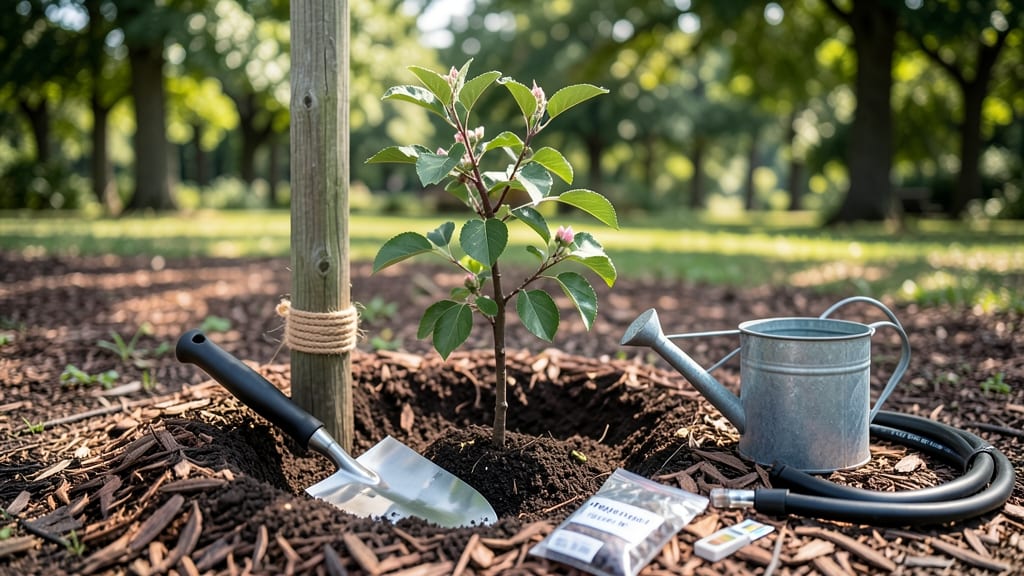
Timing your fruit trees 🍎 planting in Virginia makes all the difference between a thriving orchard and years of disappointment. The right window ensures strong root establishment before summer heat or winter frost hits, giving your trees the best shot at survival and productivity.
Virginia’s 6a-8a zones offer two prime planting periods: late winter through early spring (February to April) when trees are dormant, or fall (October to November) before the ground freezes.
Each season has unique advantages—spring planting lets you take advantage of winter moisture, while fall planting gives roots time to settle before summer stress.
You’ll discover how to prepare your soil, choose the right varieties for your microclimate, and avoid common mistakes that can derail your fruit tree dreams. Whether you're planting bare-root saplings or container-grown trees, these zone-specific tips will set you up for success from day one.
Let’s break down exactly what you need to know to plant your fruit trees at the perfect time for maximum growth and harvest potential in Virginia’s diverse climate.
Virginia’s USDA zones and best planting months for fruit trees
Virginia’s diverse climate spans USDA zones 5a through 8a, meaning the best planting windows vary dramatically from the mountains to the coast.
In Zone 5a (high elevation), like in the Blue Ridge Mountains, cold snaps can linger until mid-May, while Zone 8a (southeastern Virginia) enjoys milder winters with earlier planting opportunities as early as late February.
Understanding your zone ensures your fruit trees establish strong roots before summer heat or winter freezes strike.
For deciduous fruit trees (like apples, peaches, and pears), the ideal planting window is during their dormant season—either late winter to early spring (February–April) or fall (October–November). This timing allows roots to acclimate before bud break or winter dormancy.
Evergreen fruit trees, such as figs and citrus, can handle warmer zones (7a–8a) and may be planted year-round, though spring or fall remains best for root establishment.
Here’s how Virginia’s zones break down for optimal planting success, including frost dates and microclimate tips to avoid common pitfalls.
🌱 Virginia Fruit Tree Planting Guide by USDA Zone
| Zone | Best Planting Window | Key Considerations | Frost Notes |
|---|---|---|---|
| 5a (e.g., Roanoke) | Late April–May or October | Wait for soil to thaw; protect from late frosts. | Last frost: May 1; first frost: Nov 1. |
| 6a (e.g., Charlottesville) | March–April or October–November | Plant before buds swell; mulch heavily. | Last frost: April 15; first frost: Oct 20. |
| 7a (e.g., Richmond) | February–March or October–November | Avoid early spring planting if late frosts predicted. | Last frost: March 30; first frost: Nov 5. |
| 7b (e.g., Norfolk) | January–February or October–November | Warmer winters allow earlier planting; watch for humidity. | Last frost: March 15; first frost: Nov 15. |
| 8a (e.g., Virginia Beach) | December–February or October–November | Plant evergreens (figs, citrus) year-round; protect from salt spray. | Last frost: Feb 15; first frost: Dec 1. |
🌡️ Pro Tip: Use the Virginia Cooperative Extension’s frost map to pinpoint your local last frost date—this is your planting deadline for spring!
In Zone 5a, where winters are harsh, fall planting is often safer than spring. The 60-day window before the ground freezes (typically mid-October to late November) gives roots time to establish before dormancy.
Conversely, Zone 8a’s mild winters allow for year-round planting, though spring or fall still minimizes stress. For container-grown trees, you can plant almost anytime, but avoid extreme heat or cold.
Microclimates add another layer of complexity. For example, sheltered valleys in the Piedmont may experience earlier springs than nearby mountains, while coastal areas benefit from moderating ocean breezes.
Always monitor local weather patterns—a late frost in April can devastate newly planted trees if they’ve already broken dormancy. Use frost cloth or row covers as a precaution in Zones 5a–6a.
Soil temperature is another critical factor. Bare-root trees should only be planted when soil temps reach 40°F (4°C)—use a soil thermometer to check. In sandy soils (common in Tidewater Virginia), roots warm up faster, while clay soils (like those in the Shenandoah Valley)
Virginia’s USDA zones and best planting months for fruit trees
Virginia’s diverse climate spans USDA zones 5a through 8a, meaning your planting window varies dramatically from the mountains of Southwest Virginia (5a-6a) to the coastal plains (7b-8a).
In colder zones like Roanoke (6a), aim for late winter to early spring (February–March) to avoid early frost damage, while Norfolk gardeners (7b-8a) can plant until mid-April or even early fall (October).
The key is planting before buds swell for deciduous trees or after harvest for evergreens like figs.
Bare-root fruit trees thrive when planted in dormancy, typically between November and March, but container-grown trees offer more flexibility.
For example, apple and peach trees in zone 7a (Richmond) should go in the ground by late February, while blueberries (acid-loving plants) in zone 6b (Blacksburg) prefer fall planting (October–November) to establish roots before winter.
Always check your last frost date—Virginia’s ranges from March 15 (coastal) to April 15 (mountains).
🌱 Virginia Fruit Tree Planting Guide by USDA Zone
| Zone | Best Planting Months | Key Considerations | Example Cities |
|---|---|---|---|
| 5a-6a | Late February–March | Avoid spring freezes; plant bare-root only | Roanoke, Bristol |
| 6b-7a | February–April or October–November | Flexible for container-grown trees; mulch heavily | Charlottesville, Lynchburg |
| 7b-8a | March–April or September–October | Extended growing season; watch for humidity | Richmond, Norfolk |
💡 Pro Tip: For zone 5a-6a, prioritize cold-hardy varieties like Arctic Apple or Montgomery Peach.
Evergreen fruit trees like figs and citrus (in microclimates) have different rules—plant them in early spring (March–April) when soil warms to 60°F+. In zone 7b (Fredericksburg), you can even try container-grown citrus like Meyer lemons, but move pots indoors before 28°F temperatures.
For deciduous trees, fall planting (October) is ideal in warmer zones (7b-8a) because roots establish before winter, giving a head start in spring.
Microclimates matter! A south-facing slope in zone 6a may be 2–3 weeks warmer than a north-facing valley, extending your planting window.
Use a soil thermometer to confirm 50°F+ soil temps before planting—cold soil can stunt root growth. Mulch with 3–4 inches of wood chips to regulate soil temperature and retain moisture, especially in drought-prone zones like 7b-8a.
Don’t overlook rootstock compatibility—some varieties thrive only on zone-specific rootstock. For example, Elberta peaches need Lovell rootstock in zone 6a but Halford rootstock in zone 7b for optimal cold resistance.
Check with local nurseries like Virginia Cooperative Extension for zone-tested rootstock recommendations. Prune new trees at planting to remove damaged roots and shape the canopy, but avoid heavy pruning—focus on encouraging root growth first.
After planting, water deeply once a week for the first 2 months, then taper to every 10–14 days in zone 7b-8a.
In drier inland zones (6a-7a), mulch with straw or pine needles to lock in moisture. Fertilize lightly in spring with a balanced 10-10-10 formula, but skip fall feeding—let the tree harden off for winter.
With the right timing, your fruit trees will reward you with years of bountiful harvests.