
Planting
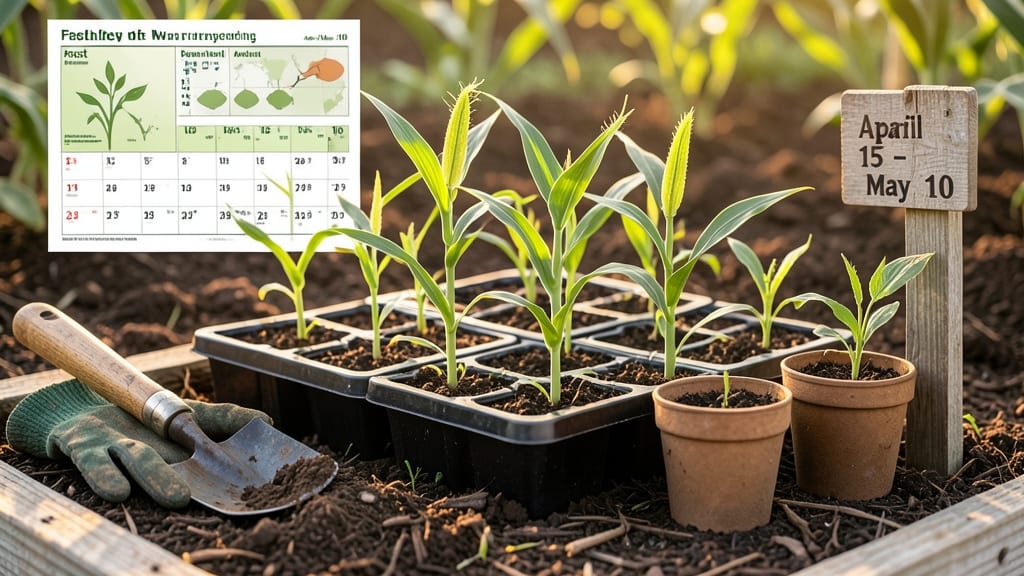
When to plant a garden in Iowa isn’t just about throwing seeds in the dirt—it’s the difference between a bountiful harvest and a wasted season. With USDA Zone 5b’s unpredictable frosts, knowing when to plant your 🌱 General Garden Plants means avoiding those heartbreaking late-spring freezes or missing summer’s peak growing months.
Iowa’s average last frost hovers around April 15, but rural areas can vary by weeks. That’s why cool-season crops like spinach and peas need to hit the soil by mid-April, while tomatoes and peppers demand patience—wait until late May to avoid frost damage.
Get it wrong, and you’ll be chasing harvests instead of enjoying them.
But here’s the good news: with the right strategy, you can stretch Iowa’s growing season like a pro. Whether you’re planning for spring’s first lettuce or fall’s final pumpkins, this guide breaks down the exact windows to maximize your garden’s potential. Let’s turn those frost dates into your secret weapon.
From row covers to succession planting, we’ll cover how to beat Iowa’s climate and grow more than ever before. Ready to plant with confidence? Let’s get started.
Iowa’s last frost dates by region: when to plant cool-season vs warm-season crops
Iowa’s USDA Zone 5b climate means frost can strike well into May or as late as June in some years. Understanding your local frost dates is critical—planting cool-season crops like lettuce or peas too late or warm-season crops like tomatoes too early can ruin your harvest.
My garden in Des Moines averages a last frost date of April 15, but rural areas like Sioux City often see frost linger until May 1. Always check 5-year historical data for your exact location.
For cool-season crops, I start seeds indoors 4-6 weeks before the last frost (so around March 15 for Des Moines). These hardy plants—like spinach, radishes, and kale—can handle light frosts and even thrive in 30°F temperatures.
Meanwhile, warm-season crops like tomatoes, peppers, and cucumbers need to wait until 2-3 weeks after the last frost, typically May 1 in most of Iowa. Direct sowing these too early risks stunted growth or death.
Here’s the key difference: cool-season crops grow best in 50-70°F soil, while warm-season crops need 60°F+ soil. Use a soil thermometer to confirm—my tomato seedlings wilted last year because I planted when soil was only 55°F.
Always wait for consistent daytime highs above 60°F before transplanting warm-season plants.
Iowa’s microclimates create big variations. Urban areas like Cedar Rapids warm up faster than northwest Iowa, where frost can linger until May 10. Check Iowa State University Extension’s frost maps for your county.
For example, Dubuque’s last frost is often April 20, while Sioux City’s can be May 5. Adjust your planting timeline accordingly—succession planting is my secret weapon to stretch harvests in shorter seasons.
🌱 Pro Tip: Use row covers or cold frames to plant cool-season crops 2-3 weeks earlier in spring. I’ve successfully grown peas and lettuce as early as March 30 with protection.
For warm-season crops, consider black plastic mulch to warm soil faster—it can shave 1-2 weeks off your planting window.
| Region | Avg Last Frost | Cool-Season Planting Window | Warm-Season Planting Window | Notes |
|---|---|---|---|---|
| Des Moines | April 15 | March 15 - April 15 | May 1 - May 15 | Urban heat island effect warms soil faster. |
| Sioux City | May 1 | March 20 - April 20 | May 10 - May 20 | Cooler nights delay soil warming. |
| Dubuque | April 20 | March 25 - April 10 | April 25 - May 5 | Higher elevation cools faster at night. |
| Rural NW Iowa | May 5 | March 25 - April 25 | May 15 - May 25 | Late frost risk; use row covers. |
| Cedar Rapids | April 10 | March 10 - April 10 | April 20 - May 1 | Industrial areas warm up quickly. |