
Planting
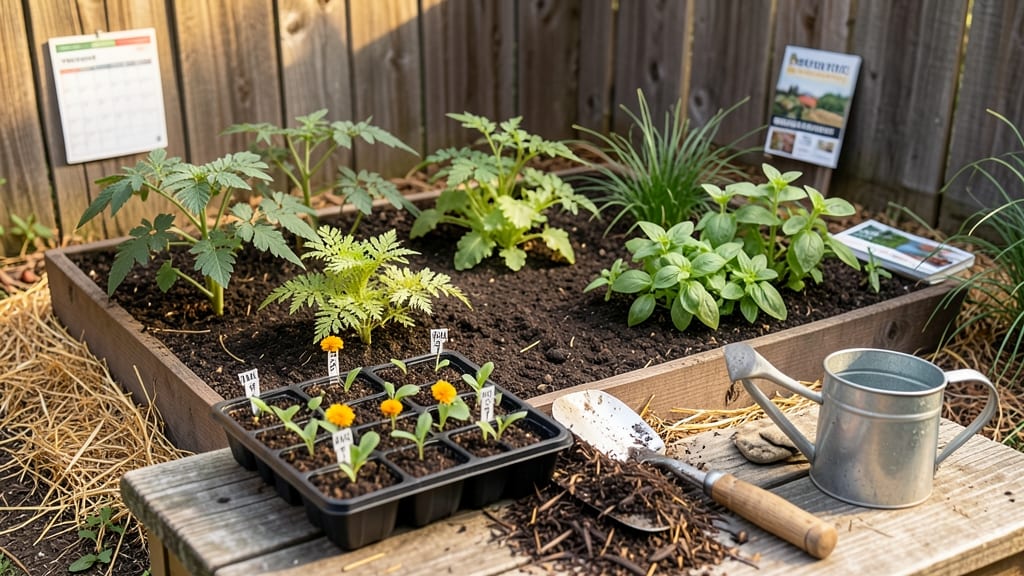
Timing when to plant a garden in Kentucky could mean the difference between a bumper crop and a sad, frost-nipped disappointment. Kentucky’s unpredictable climate—where last spring frost can strike as late as April 15 in some counties—demands precision if you want your tomatoes to thrive and your lettuce to survive.
You’ve probably heard the rule of thumb: plant cool-season crops like spinach in early spring and warm-season favorites like peppers after the last frost. But in Kentucky’s 6a-7a zones, those windows shift dramatically depending on whether you’re in the Bluegrass Region or the Appalachian foothills.
Getting this right isn’t just about following a calendar—it’s about reading your local microclimate.
In this guide, I’ll break down exactly when to plant everything from March’s first peas to August’s heat-loving okra, plus how to adjust for your specific county’s frost dates. No more guessing—just perfect timing for a garden that delivers all season long.
Whether you’re a first-time gardener or a seasoned pro, these insights will help you avoid common mistakes like planting too early (hello, frost-killed seedlings) or too late (bye-bye, summer harvests). Let’s get your General Kentucky Garden off to the best possible start!
Kentucky’s county-by-county frost dates: when to plant cool vs. warm-season crops
Kentucky’s USDA Hardiness Zones 5a–7a create a patchwork of planting windows, where last spring frost dates can vary by 2–4 weeks between northern and southern counties.
For example, Letcher County in the Appalachians may still see frost in mid-May, while Hopkins County in the Bluegrass often hits April 10. These differences mean your cool-season crops like lettuce or broccoli could bolt in one region but thrive in another.
To nail your planting timeline, start by checking your county’s average last frost date—this is your green light for warm-season crops like tomatoes and peppers. Conversely, fall frost dates (typically mid-October to November) determine when to sow cool-season crops for a late harvest.
Use these dates as your garden’s calendar, adjusting for microclimates like urban heat islands or sheltered valleys.
Here’s a snapshot of key frost dates for Kentucky’s major regions, along with ideal planting windows for common crops. Remember, these are averages—always monitor your local forecast for real-time adjustments.
For cool-season crops like lettuce, spinach, and peas, aim to plant 4–6 weeks before your last frost date. These hardy vegetables can handle light frosts and even thrive in cool temperatures.
In northern Kentucky, this means starting seeds indoors by February 15 or direct-sowing by March 1. In southern Kentucky, you can push it back to February 1 for an earlier harvest.
Warm-season crops—think tomatoes, peppers, and cucumbers—need consistent soil temperatures above 60°F. Plant these 2–3 weeks after your last frost date, or wait until mid-May in northern counties and early April in southern regions.
Pro tip: Use a soil thermometer to confirm readiness—cool soil can stunt growth even if air temps are warm.
Fall planting is just as critical. For a second harvest of cool-season crops, sow seeds 60–90 days before your first frost. In central Kentucky, this translates to late July for spinach or early August for kale.
In mountain regions, you might only have late June to early July for a fall garden. Don’t underestimate the power of row covers to extend your growing season by 2–4 weeks.
For real-time updates, bookmark the Kentucky Climate Center or use apps like Farmers’ Almanac to track frost predictions and heat waves. These tools can help you adjust planting dates if an early frost or late heatwave threatens your garden. Remember, succession planting—sowing small batches every 2 weeks
How to adjust planting times for Kentucky’s microclimates (mountains vs. Bluegrass vs. Pennyrile)
Kentucky’s geography creates microclimates that can shift your planting schedule by weeks. A neighbor in Lexington’s Bluegrass might plant tomatoes on April 20th, while a gardener in Letcher County’s Appalachians waits until May 10th—both get frost damage if they don’t adjust.
Understanding these differences is key to avoiding wasted seeds and stunted crops. Let’s break down how elevation, urban heat, and soil drainage reshape your garden’s timeline.
Elevation is the biggest factor. For every 1,000 feet up in the Appalachian Mountains, temperatures drop 3–5°F, delaying spring by 2–3 weeks. In Whitley County (Zone 6a), last frosts average April 25th, while Hopkinsville in Pennyrile (Zone 7a) sees frost-free soil by April 10th.
Use this rule: Mountain gardens plant 2 weeks later than lowland areas for the same crops.
Urban heat islands in cities like Louisville and Bowling Green create another twist. Pavement and buildings trap heat, letting gardeners plant warm-season crops like peppers 1 week earlier than rural areas. Check your local weather station data—not your neighbor’s schedule—to avoid overestimating warmth.
Soil drainage plays a hidden role too. Heavy clay soils in Western Kentucky stay cold longer, while sandy loam in Central Kentucky warms faster. Test your soil’s temperature at 4 inches deep—it should hit 50°F for cool crops and 60°F for warm crops before planting.
A soil thermometer ($10 at garden centers) is your best tool for precision.
Extend your season with row covers or cold frames. In Zone 6a mountains, these can push planting dates 2–3 weeks earlier for lettuce or 1–2 weeks later for fall crops.
For example, I’ve grown bush beans in June under row covers in Letcher County when bare soil would’ve been too cold.
Succession planting is your secret weapon. In Pennyrile’s longer growing season, sow lettuce every 2 weeks from March to September for continuous harvests. Meanwhile, mountain gardeners focus on fast-maturing varieties like ‘Early Girl’ tomatoes (55 days) to fit the shorter season.
Always check seed packets for “days to maturity” and calculate backward from your first frost date.
Pro tip: Bookmark the Kentucky Mesonet (kymesonet.org) for real-time soil temperature and frost alerts. It’s free and saves gardens from surprise freezes. With these adjustments, your Kentucky garden will thrive—no matter where you live in the state! 🌱