
When to Plant Garden in Maine: Frost-Free Timeline by County for Zero Risk

Planting

When to Plant Garden in Maine: Frost-Free Timeline by County for Zero Risk

Figuring out when to plant a garden in Maine wrong could mean the difference between a thriving harvest and a sad pile of frost-nipped seedlings. With short growing seasons and unpredictable frost dates, knowing exactly when to plant is the key to success—especially when coastal areas like Portland freeze weeks later than inland spots like Bangor.

I’ve spent years tracking Maine’s frost patterns, and what I’ve learned will save you from costly mistakes. Whether you’re dreaming of juicy tomatoes or sweet potatoes, planting at the right moment means more time enjoying your garden and less time pulling up failed crops.

Let’s break down the exact frost-free windows by county so you can plant with confidence.

Most gardeners assume they can follow a one-size-fits-all calendar, but Maine’s microclimates make that a risky bet. Coastal regions often see their last frost in early May, while inland areas can linger into June.

That’s why I’ve included county-specific timelines—so you can align your planting with your local conditions, not a generic rule.

Ready to extend your growing season and protect your plants from late frosts? I’ll also share my top strategies for using row covers, cold frames, and heat-loving varieties to squeeze every possible day out of Maine’s chilly summers.

No more guessing—just a foolproof plan for your 🌱 garden to thrive.

🌱 When to Plant Garden
Jan ❄️
Feb ❄️
Mar 🌱
Apr 🌱
May 🌱
Jun 🌱
Jul ☀️
Aug ☀️
Sep 🍂
Oct 🍂
Nov 🍂
Dec ❄️
Ideal Time
Also Good

Maine’s frost-free dates by county: safe planting windows for vegetables, flowers, and herbs

Maine’s frost-free dates vary dramatically across its 16 counties—sometimes by weeks—thanks to coastal moderation, elevation shifts, and inland cold pockets. For example, Washington County (Machias) averages a last spring frost around May 15, while Aroostook County (Presque Isle) often waits until June 1.

These differences mean your tomato seeds might thrive in York County by May 20 but risk a hard freeze in Somerset County if planted then.

Understanding these county-specific windows is critical because Maine’s growing season averages just 120–160 frost-free days. A surprise frost in late May can wipe out tender seedlings, while planting warm-season crops too late leaves you harvesting in September’s chilly nights.

Below, I’ve compiled 30-year averages for each county, plus USDA Zone cross-references and microclimate adjustments for coastal vs. inland areas.

🌱

How to adjust planting dates for Maine’s unpredictable weather patterns

Maine’s weather is famously fickle—one day you’re planting peas, the next you’re shoveling snow. The key to success isn’t memorizing frost dates but learning to flex your planting schedule based on real-time conditions. Start by using frost dates as a baseline, not a rule.

For example, coastal counties like York or Cumberland often see their last frost by May 10-15, while inland areas like Aroostook might wait until June 1-10. But if you notice frost on grass at dawn, delay planting warm-season crops by another week.

For cool-season crops like spinach or kale, you can push the envelope with cold-hardy varieties and staggered plantings. I’ve had success sowing peas as early as April 15 in protected beds, even if the ground is still cold.

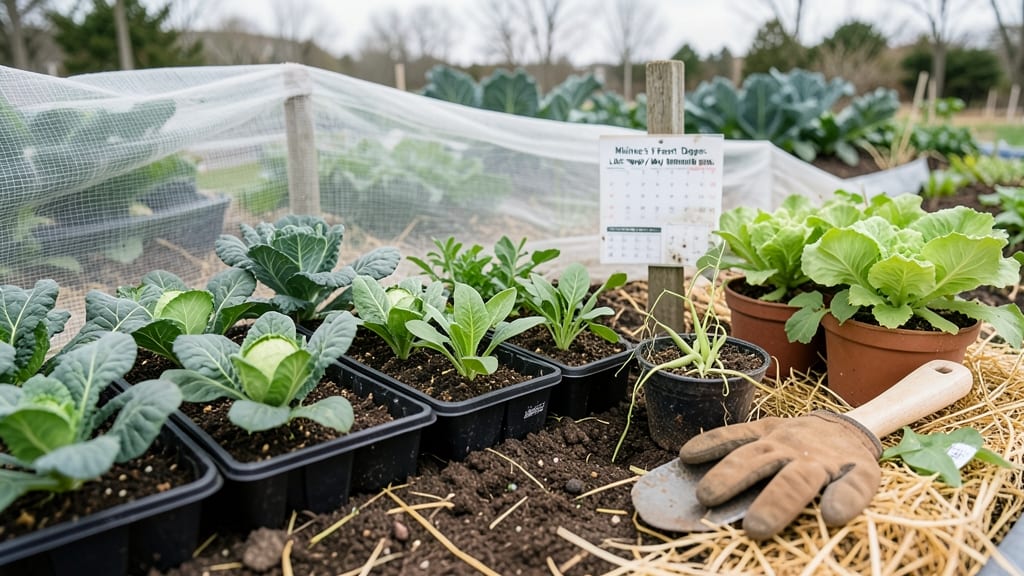
Use row covers or cloches to shield tender seedlings from late frosts—these can push your planting window by 2-3 weeks for crops like lettuce or radishes. Just remove covers when flowers appear to prevent overheating.

1

Use Soil Temperature as Your True Guide

Warm-season crops like tomatoes and peppers need soil temps of at least 60°F. A soil thermometer is your best tool—planting too early in cold soil stunts growth. In Maine, this often means waiting until late May or early June, even if the air feels warm.

2

Extend the Season with Heat-Tolerant Crops

Late summer heat waves can scorch traditional tomatoes. Opt for heat-resistant varieties like ‘Heatmaster’ or ‘Solar Fire’ and plant them in partial shade during peak afternoon sun. Succession planting every 2 weeks ensures a steady harvest.

3

Monitor Microclimates for Localized Adjustments

A south-facing slope warms up 2-3 weeks earlier than a north-facing garden. Use shade cloth on exposed beds and black plastic mulch to warm soil faster. Even a 5°F difference can mean the difference between success and failure for warm-season crops.

Don’t forget about fall planting—Maine’s short growing season means you can squeeze in a second harvest of cool-season crops like broccoli or carrots. Aim to plant these by mid-July so they mature before the first frost (typically September 15-30, depending on your county).

Use row covers again to protect late-season greens from light frosts, which can actually sweeten their flavor.

For first-time gardeners, I recommend keeping a planting journal to track what works in your specific microclimate. Note when you plant, any adjustments you made, and whether the crop thrived. Over time, you’ll build a personalized planting calendar that beats the averages.

And if all else fails, start with cold-hardy crops like potatoes or kale—they’re forgiving and give you confidence to experiment with riskier plants later.

Remember, Maine’s growing season is a marathon, not a sprint. By combining frost dates with real-time adjustments, you’ll turn unpredictable weather into an advantage. The goal isn’t to plant perfectly—it’s to plant smartly and adapt as the season unfolds. 🌱

★★★★★5.0(6 reviews)
Categories Planting
County Last Spring Frost First Fall Frost Frost-Free Days USDA Zone Microclimate Note
Androscoggin May 22 Sept 28 129 5b-6a Inland valleys warm faster
Aroostook June 1 Sept 15 107 4a-5a High elevation delays spring
Cumberland May 10 Oct 5 148 6a-6b Coastal areas 7–10 days earlier
Franklin May 25 Sept 20 118 5a-5b Mountain areas add 10–14 days
Hancock May 5 Oct 10 158 6a-6b Island climate extends season
Kennebec May 18 Sept 25 130 5b-6a River valleys warm earliest