
Planting
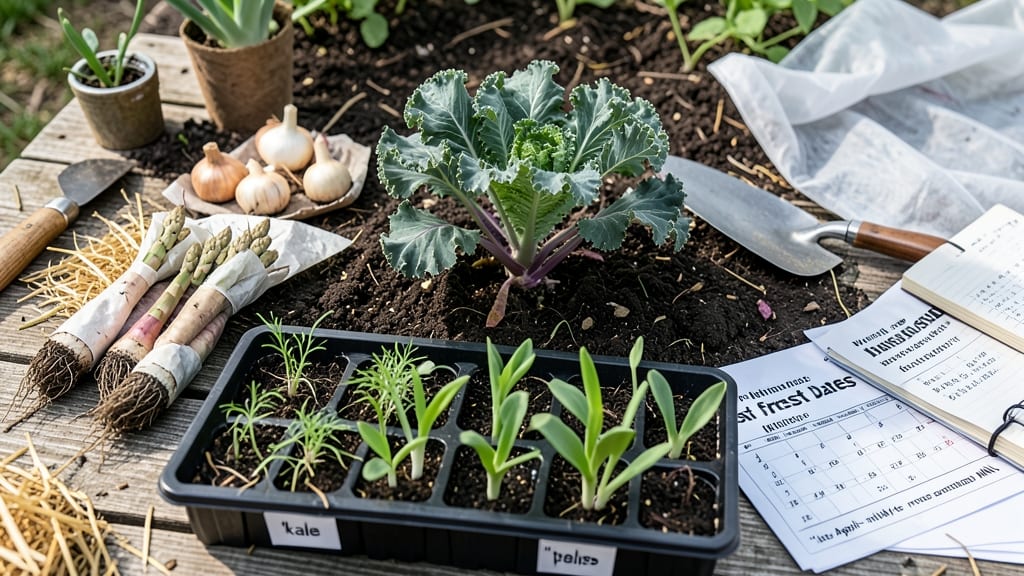
Knowing when to plant garden in Minnesota can mean the difference between a thriving harvest and a frost-killed disappointment—especially when your growing season is shorter than most. The key isn’t just memorizing dates but understanding how USDA Zones 3b-5a and Minnesota’s unpredictable frost patterns affect your 🌱 General Minnesota Garden.
Spring planting starts as early as mid-April for cold-hardy crops like peas and spinach, but waiting until after the last frost (mid-May) protects tender plants. Meanwhile, fall planting in August-September extends your harvest window, letting you enjoy kale and carrots well into October.
This guide breaks down the perfect timing for everything from heat-loving tomatoes to hardy potatoes, so you can maximize your 120 frost-free days without guessing. Let’s make sure your garden thrives—not just survives—the Minnesota climate.
You’ll learn how to adjust for urban microclimates, soil prep secrets for cold climates, and which crops to prioritize for a longer harvest season. Ready to turn your garden dreams into reality?
Minnesota planting zones: when to start cold-hardy crops by month
Minnesota’s USDA Planting Zones 3b-5a mean your garden’s success hinges on knowing exactly when to plant. The last spring frost typically arrives between May 10-20, but this varies by region—northern areas like Duluth may wait until early June, while southern zones like Rochester can start earlier.
Always check your local Almanac frost dates or use a soil thermometer to confirm when temperatures hit 50°F+.
Cool-season crops like spinach, peas, and kale thrive when planted 4-6 weeks before the last frost, often as early as late March to mid-April under row covers. These hardy plants tolerate light frosts and even snow, making them Minnesota’s secret weapon for early harvests.
For potatoes and onions, aim for mid-April to early May once soil thaws completely—planting too soon leads to rotten tubers.
| Month | Cold-Hardy Crops | Soil Temp | Key Tip |
|---|---|---|---|
| March-April | Peas, Spinach, Kale, Lettuce | 35-45°F | Use row covers for frost protection |
| Mid-April | Potatoes, Onions, Carrots | 50°F+ | Wait for soil to thaw completely |
| Late April-Early May | Broccoli, Cabbage, Beets | 40-50°F | Direct sow after last frost risk |
| May-June | Radishes, Turnips, Swiss Chard | 55-65°F | Thin seedlings for optimal growth |
| August-Sept | Fall Lettuce, Spinach, Radishes | 45-55°F | Plant 6 weeks before first frost |
For perennial herbs like mint and chives, plant in early spring (April) or early fall (September) when soil is workable.
These plants establish roots slowly in cold soil, so avoid planting when ground is frozen or waterlogged. Asparagus crowns are an exception—plant them in early spring (March-April) for a 2-year establishment period before harvest.
Urban gardeners in Minneapolis or St. Paul face unique challenges like microclimates near buildings that warm up faster. Test your soil’s readiness by pressing your finger into it—if it crumbles easily, it’s safe to plant.
In rural areas, clay-heavy soils may require amending with compost to improve drainage before planting root crops like carrots or potatoes.
Don’t overlook fall planting for a second harvest! Cool-season crops like spinach and kale planted in August can thrive until October’s first frost. Use a frost blanket to extend the season by 2-3 weeks.
Just remember: broccoli and cabbage need 60+ days to mature, so time your fall plantings accordingly.
Pro tip: Keep a gardening journal to track your local frost dates and soil conditions year after year. Minnesota’s climate shifts annually—what worked in 2023 might fail in 2024 due to earlier springs or later frosts.
By documenting your successes (and failures), you’ll refine your planting schedule like a pro.
For container gardening, start seeds indoors in February-March for tomatoes and peppers (we’ll cover these heat-lovers in the next section). But for cold-hardy containers, like herbs in pots, you can plant outdoors as early as April 15 once nighttime temps stay above 32°F consistently.
One common mistake? Relying solely on calendar dates instead of actual soil conditions. A warm April might tempt you to plant early, but if the ground is still frozen, your seeds will rot instead of sprout. Always check for 3-4 inches of thawed soil before planting.
Finally, remember that Minnesota’s growing season is short—only about 120 frost-free days in most areas. Prioritize fast-maturing varieties (look for "Early Girl" or "Bush" labels) and use succession planting to maximize your harvest. For example, sow radishes every 2 weeks from April to July for continuous greens.
Heat-loving vegetables in Minnesota: how to beat the short season
Minnesota’s short growing season makes growing heat-loving vegetables like tomatoes, peppers, and cucumbers a challenge—but not impossible. With the right fast-maturing varieties and extended-season tactics, you can still enjoy a bountiful harvest.
The key is working within your 120 frost-free days, typically from mid-May to mid-September, and using tools like row covers, cold frames, or even a small greenhouse to push those limits.
Start by selecting determinate varieties of tomatoes (like ‘Early Girl’ or ‘Patio Princess’) and early-maturing peppers (such as ‘Early Jalapeno’ or ‘Sweet Banana’). These varieties mature in 60-70 days, giving them enough time to ripen before the first frost.
Pair them with cucumbers like ‘Straight Eight’, which can produce quickly in Minnesota’s brief summer.
Here’s how to maximize your heat-loving garden’s potential with proven strategies that work in Minnesota’s climate:
Even with these tactics, late summer heat waves can stress your plants. To combat this, mulch heavily to retain moisture and prune aggressively to improve airflow. If a heatwave hits, shade cloth can protect delicate plants like cucumbers from wilting.
With the right approach, you can enjoy juicy tomatoes, spicy peppers, and crisp cucumbers—even in Minnesota’s short season. The secret is planning ahead and leveraging every tool at your disposal to squeeze out those extra weeks of growth.