
Planting
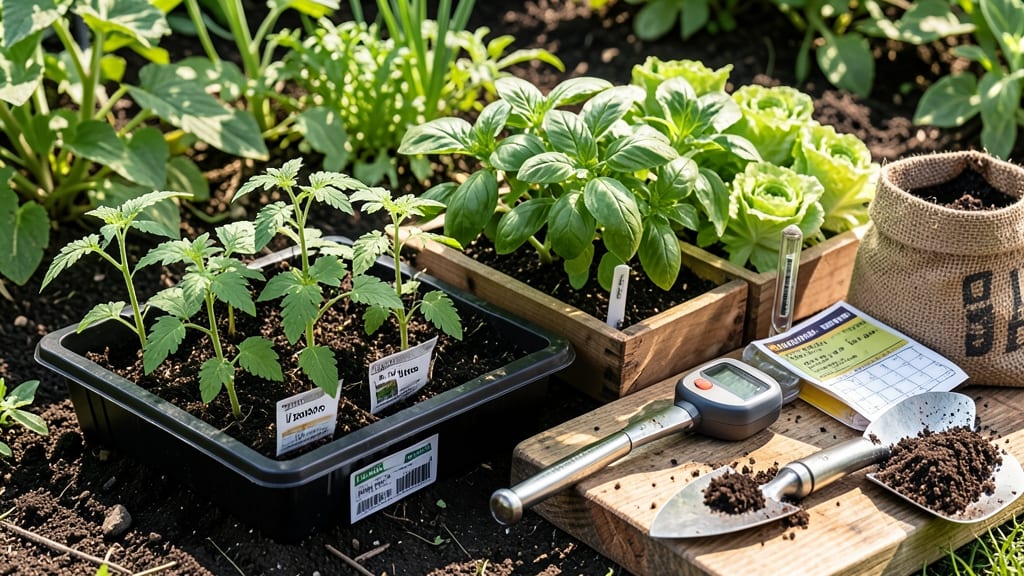
When to plant a garden in Pennsylvania isn't just about luck—it's the key to a thriving harvest or a wasted season. With USDA Zone 6B's unpredictable frost dates, planting too early means tender seedlings meeting their demise, while waiting too long cuts your growing window short. Whether you're dreaming of crisp lettuce or juicy tomatoes, getting the timing right transforms your garden from a gamble into a guaranteed feast.
I’ve spent years tracking Pennsylvania’s microclimates—from Pittsburgh’s cooler hills to Philadelphia’s slightly milder stretches—and the difference 5 days can make is staggering. Skip the guesswork and learn exactly when to pop those seeds in the ground (or under row covers) for each crop.
We’re talking peas in early spring, tomatoes after the last frost, and even late-season greens that brave the first chill.
What if you’re starting seeds indoors? That’s where the real strategy comes in—balancing light, warmth, and transplant timing to avoid shocking young plants. Or maybe you’re direct-sowing outdoors—then soil temperature and regional frost risks become your new best friends.
Let’s break it down so you can plant with confidence, not anxiety.
Ready to turn your garden from a maybe into a must-have harvest? I’ll walk you through the exact deadlines, region-specific tweaks, and pro tips to beat Pennsylvania’s fickle weather. Your future salad days start here.
Pennsylvania planting deadlines by USDA Zone 6B: cool vs. warm season crops
Pennsylvania’s USDA Zone 6B climate gives you roughly 150-180 frost-free days each year—just enough time to grow a thriving garden if you plan carefully. The average last frost date falls between April 15-30 in most regions, while the first frost typically arrives around October 15-30.
Understanding these windows helps you avoid frost damage to tender plants while maximizing your harvest.
Your planting strategy should divide crops into two categories: cool-season vegetables that thrive in cooler weather and warm-season crops that need heat to grow. Cool-season plants like spinach and peas can handle light frosts, while warm-season favorites like tomatoes and peppers will bolt or fail if planted too early.
Let’s break down the exact month-by-month deadlines for each type, including regional adjustments for Pittsburgh, Philadelphia, and Harrisburg.
For cool-season crops, you can start seeds indoors as early as February for a head start, but direct sowing typically begins in mid-March. Plants like lettuce, spinach, and peas can handle temperatures down to 25-30°F, making them ideal for early spring or late fall planting.
In Pittsburgh’s cooler microclimate, delay cool-season planting by 1-2 weeks compared to Philadelphia or Harrisburg.
Warm-season crops like tomatoes, peppers, and cucumbers demand patience—wait until the soil temperature consistently stays above 60°F (usually mid-May in most of PA).
Start these indoors in March and transplant outdoors after the last frost. Philadelphia’s urban heat island effect can warm soil faster, so you might plant 1 week earlier there than in rural areas.
Herbs like basil and cilantro have unique needs: basil requires consistent warmth and won’t tolerate frost, while cilantro thrives in cooler weather and may bolt in summer heat.
Plant basil after May 10 and consider shade cloth in peak summer. Cilantro, on the other hand, should go in early spring or late summer for the best flavor.
Flowers like marigolds and zinnias are hardy and adaptable, but they still need warm soil to germinate well. Direct sow after your last frost date, which can vary by 1-2 weeks across PA.
In Pittsburgh’s shorter growing season, opt for fast-growing varieties like zinnias to maximize blooms before frost.
Don’t overlook fall planting! Crops like kale, radishes, and carrots can be sown as late as mid-September for a winter harvest. These cool-loving plants actually sweeten in frost, making them perfect for extending your garden’s productivity.
Harrisburg’s slightly warmer fall allows for a longer harvest window compared to Philadelphia.
Use these deadlines as a starting point, but always monitor local weather
How to adjust planting times for Pennsylvania’s microclimates and frost risks
Pennsylvania’s USDA Zone 6B climate creates unique challenges, especially when dealing with microclimates across regions like Pittsburgh, Philadelphia, and Harrisburg. Even within a single county, frost dates can vary by 1-2 weeks, making precise adjustments essential for your garden’s success.
For example, southern PA often experiences earlier last frosts (around April 15) compared to northeastern PA (closer to May 1). Always check local frost date averages and add a 2-week buffer for extra safety when planting frost-sensitive crops like tomatoes or peppers.
Late spring frosts can still occur in May, even after average last frost dates. Use row covers or cold frames to protect young plants until mid-May for maximum safety.
Pro Tip: Monitor National Weather Service alerts for frost advisories in your area.
Extend your growing season by 2-3 weeks in both directions using season extenders. For spring, plant cold-hardy crops like spinach or kale as early as March under row covers. In fall, harvest-hardy crops such as carrots or beets can stay in the ground until late October with protection.
Selecting frost-tolerant varieties is another smart strategy. For instance, ‘Sugar Ann’ peas or ‘Early Girl’ tomatoes thrive in cooler conditions, giving you a head start. Always check seed packets for “days to maturity” and calculate backward from your first expected frost (typically October 15 in PA).
If you’re unsure about your local microclimate, observe your garden’s behavior for 2-3 years. Note when frost occurs, how sun exposure varies, and which areas stay warmer longer. Adjust planting times accordingly—this firsthand data is more reliable than generic zone guidelines.
For high-value crops like tomatoes or peppers, consider starting seeds indoors 6-8 weeks before your last frost date. This ensures they’re ready to transplant when soil temperatures reach 60°F+, a critical threshold for root development.