
Plants
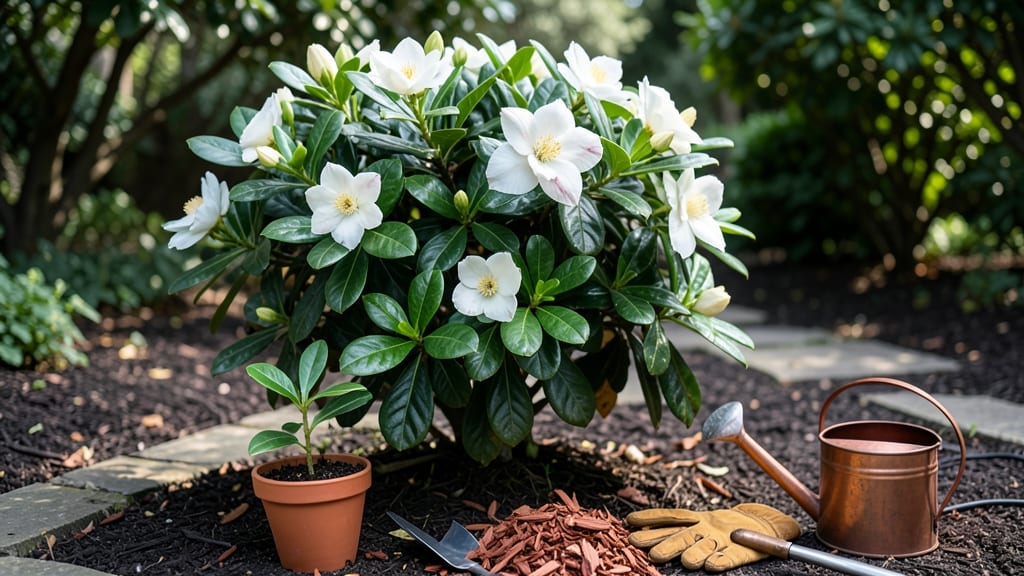
Planting your gardenia 🌸 at the wrong time in North Carolina could mean struggling with weak growth or even losing your plant before it ever blooms—and that would be a shame, since these fragrant shrubs thrive in our humid climate when given the right start.
Most gardeners in zones 7a-8b know spring is the ideal window, but the exact timing matters more than you might think.
Waiting until after the last frost (typically around mid-March) gives young roots time to establish before summer heat arrives, while planting too late can leave your gardenia struggling to adapt.
In this guide, I’ll break down the perfect planting schedule for your region—whether you’re in the Coastal Plain, Piedmont, or Mountains—plus how to spot when conditions are just right for your new gardenia to take root and flourish.
Ready to set your gardenia up for a season of abundant, fragrant blooms? Let’s get started with the timing secrets that make all the difference in North Carolina’s climate.
North Carolina heat zones: best planting months for gardenias by region
North Carolina’s diverse climate means your gardenia’s ideal planting window depends on whether you’re in the Coastal Plain, Piedmont, or Mountains. Each region has different last frost dates and soil warming patterns that directly impact root establishment.
For example, coastal areas like Wilmington typically see their last frost by mid-February, while the Asheville area can experience late frosts into mid-April.
Gardenias need 60-65°F soil temperatures to thrive, which usually aligns with March-April planting across most of NC. However, planting too early in cooler mountain regions can stunt growth, while waiting too long in coastal areas risks summer heat stress before roots establish.
Let’s break down the exact timing for each zone to ensure your gardenia gets off to the best start.
🌱 Key Takeaway: Coastal NC gardeners can plant as early as late February, while mountain gardeners should wait until mid-April to avoid frost damage. Piedmont regions (like Raleigh) have the most flexibility, with March 15-April 15 being ideal.
If you’re in a transition zone (like the Sandhills between Coastal Plain and Piedmont), aim for early April planting. The key is to wait until soil temperatures consistently stay above 60°F—you can check this with a simple soil thermometer (available at garden centers for under $15).
Planting too early in cooler soils leads to root rot from poor drainage, while waiting too long risks heat stress before roots establish.
For gardeners in Zone 7a (like the higher elevations of the Blue Ridge Mountains), consider starting gardenias in containers indoors in late winter, then transplanting after the last frost. This gives you a 4-6 week head start on root development before outdoor conditions stabilize.
Another critical factor is rainfall patterns. Coastal NC often sees drier springs after winter rains, while the Piedmont may experience soil saturation from late-winter storms.
If your area is forecasted for heavy rains during your planting window, schedule the transplant for a dry day to prevent waterlogged soil, which gardenias despise.
Pro tip: If you’re unsure about your exact last frost date, check the NC State Climate Office or use the Almanac’s Frost Calculator (link in resources). These tools provide hyper-local data that can shift planting windows by 2-3 weeks depending on microclimates.
For example, a garden in Asheville might need to wait until April 20, while one just 30 miles away in Black Mountain could plant by April 1.
Once you’ve nailed down your planting window, the next step is verifying your gardenia’s readiness to thrive. In the following section, I’ll show you the tell-tale signs that your planting timing is perfect—or when you’ve made a costly mistake that could doom your plant before it even blooms.
Signs your gardenia planting timing is perfect (or disastrous)
Planting your gardenia at the right time in North Carolina isn’t just about checking a calendar—it’s about reading your soil, weather, and plant signals to ensure success.
The best window is after the last frost (usually mid-March), but even then, subtle cues tell you whether your gardenia is thriving or struggling.
One of the first signs of perfect timing is vibrant green leaves that appear glossy and firm within a week of planting. This means your gardenia’s roots are establishing quickly in warm soil (at least 60°F) and the air temperature is stable.
If you see yellowing leaves or wilting, it’s a red flag that you planted too early or the soil was too cold.
🌱
⚠️ Warning: Late Planting Risks
Planting gardenias after May 15 in NC’s 7a-8b zones can leave them vulnerable to summer heat stress and root rot. Look for these disastrous signs:
- Brown leaf edges (indicates drought stress from delayed root growth)
- Stunted growth (roots didn’t establish before heat peaked)
- Mushy stems (fungal infection from overwatering stressed plants)
Fix it: Mulch heavily with pine straw and water deeply at soil level to protect roots.
Another critical indicator is the soil temperature. Use a soil thermometer to check—gardenias need soil that’s at least 60°F for root growth. If your soil is cooler, delay planting until temperatures rise.
In Coastal NC, this might mean waiting until late March, while Mountain regions can plant as late as early April.
For fragrant varieties like ‘Kleim’s Hardy’, watch for bud formation in late spring—a sign your plant is happy and ready to bloom. If buds appear closed and small all season, you likely planted too late or in poor soil conditions.
Amend the soil with peat moss or sulfur to lower the pH to 5.0-6.0 and retry next year.
Finally, pay attention to afternoon humidity. Gardenias love NC’s humidity, but if your area experiences dry spells after planting, your gardenia may show crispy leaf edges. Increase watering to 1 gallon per plant every 3-5 days during dry periods, always watering at soil level to avoid fungal issues.
By tuning into these plant signals, you’ll know exactly when your gardenia is thriving—or when it’s time to adjust your approach for next year’s planting. With the right timing, your gardenia will reward you with months of fragrant blooms and lush growth. 🌸