
Companion Plants
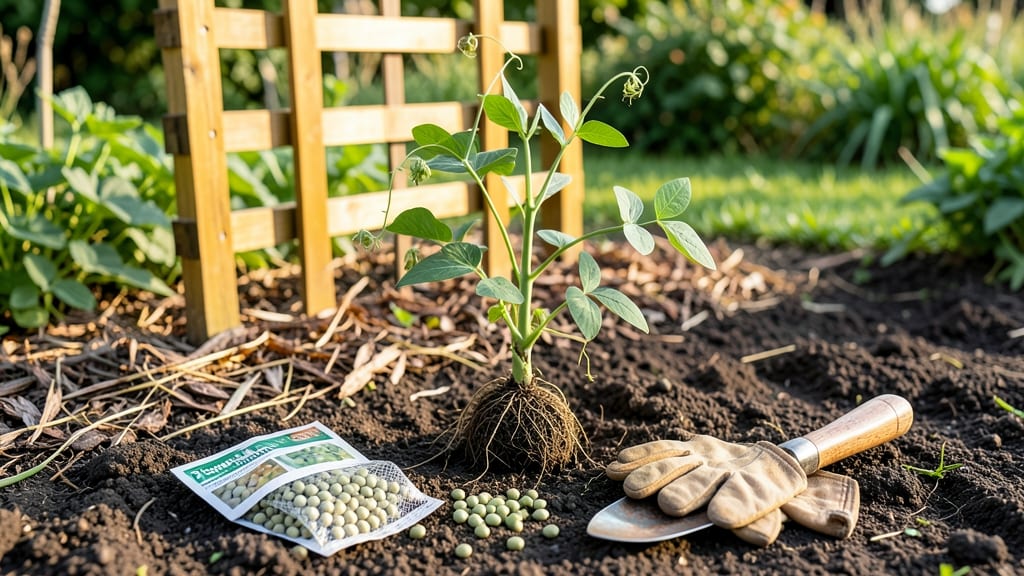
If you're wondering when to plant peas in Zone 6, timing is the secret to sweet, plump harvests instead of sad, stunted vines.
These cool-season superstars 🌱 need just the right balance—plant too early, and frost will turn your seeds to mush; wait too long, and you’ll miss the peak harvest window.
Most gardeners in Zone 6 (including 6a) swear by early spring planting, typically between March and April, when soil temperatures hover around 40-50°F. But late summer offers a second chance too, letting you enjoy fresh peas well into fall.
The key? Watching for those first signs of soil readiness and avoiding the dreaded "cold, wet spring" that can delay germination.
I’ll show you exactly how to read your soil’s temperature cues—no fancy thermometer needed—and reveal the best varieties for Zone 6’s short growing season.
Whether you’re a first-time gardener or a seasoned pro, these tricks will help you time your pea planting like a master, ensuring a steady supply of crisp pods from June through November.
Ready to skip the guesswork? Let’s dive into the foolproof methods that’ll have your peas thriving, no matter what Zone 6 throws your way this year.
Zone 6 pea planting calendar: exact dates based on soil temperature
Timing your pea planting in Zone 6 hinges on two critical factors: soil temperature and frost dates. Unlike heat-loving crops, peas thrive in cool soil (40-50°F)—but they can’t handle hard freezes.
Here’s how to pinpoint the perfect window for your location, whether you’re planting in early spring or late summer.
Most of Zone 6 experiences its last frost around mid-April, but this varies by city. For example, Chicago averages April 15, while Denver sees it closer to April 20.
To maximize your harvest, aim to plant peas 4-6 weeks before your last frost date—this gives seedlings time to establish before warming temperatures arrive.
Soil temperature is your real guide, not air temperature. Peas won’t germinate well in soil colder than 40°F, and they’ll rot in soggy, cold conditions. Use this rule of thumb: Wait until soil warms to 40-50°F (about 2-3 weeks before your last frost) to sow seeds directly in the ground.
For fall planting, the window is narrower but still productive. Sow seeds in late August (about 8-10 weeks before your first frost, typically mid-October in Zone 6). This ensures peas mature before cold snaps arrive, giving you a second harvest in autumn.
🌱 Pro Tip: If your spring is unpredictable (like cold, wet or early warming), use row covers to protect seedlings. These can push planting back by 2-3 weeks without risking frost damage.
| Planting Window | Soil Temp Requirement | Frost Considerations | Best Varieties |
|---|---|---|---|
| Early Spring (March-April) | 40-50°F | 4-6 weeks before last frost | 'Green Arrow', 'Little Marvel' |
| Late Summer (August) | 45-55°F | 8-10 weeks before first frost | 'Sugar Snap', 'Oregon Sugar Pod' |
| Extended Spring (with row covers) | 35-45°F | Up to 2 weeks earlier | 'Wando', 'Tom Thumb' |
📅 Adjust dates by 1-2 weeks for cities with earlier/later frosts (e.g., Buffalo vs. Des Moines).
If you’re unsure about your local frost dates, check the USDA Plant Hardiness Zone Map and your city’s average last frost date. For example, Philadelphia (Zone 6b) typically sees its last frost around April 10, while Omaha (Zone 5b) holds off until April 25.
Planting too early in cold, wet soil can lead to rot or poor germination, so always test soil temperature before sowing.
For succession planting, sow a second batch of peas 2 weeks after your first planting. This stretches your harvest window and ensures a steady supply of fresh peas.
In Zone 6, this often means a March sowing followed by an April sowing for spring, and an August sowing for fall.
🌿 Warning: Avoid planting peas in heavy clay soil or areas with poor drainage. Peas need well-draining, slightly acidic soil (pH 6.0-7.0). Amend heavy soil with compost or sand to improve aeration and drainage before sowing.
To extend your pea-growing season, consider interplanting with other cool-season crops like lettuce or spinach. These plants won’t compete for nutrients and can help keep the soil loose as peas grow. Just avoid planting peas where beans or peas grew the previous year to prevent disease buildup.
Finally, keep an eye on your pea seedlings after germination. Once they reach 2-3 inches tall, thin them to 2 inches apart to give plants room to grow. This reduces competition for nutrients and light, leading to healthier vines and bigger yields.
How to test soil temperature for peas (without a thermometer)
Testing soil temperature for peas doesn’t require fancy equipment—just your hands and a little know-how. Peas thrive when soil hits 40-50°F, but cold, wet springs can trick you into planting too early. Here’s how to check soil readiness the old-school way, so you avoid the heartbreak of frost-killed seedlings.
First, grab a handful of soil from your planting spot. Squeeze it gently—if it feels cool but not icy and crumbles easily, it’s likely in the ideal range. For a more precise test, press your finger about 2 inches deep into the soil.
If it feels like a chilled glass of milk (not freezing), your peas are ready to go.
Still unsure? Plant a few spinach or lettuce seeds nearby as test crops. These cool-season greens sprout quickly—if they germinate within 5-7 days, your soil’s warm enough for peas. This trick saves you from guessing and ensures your peas get off to a strong start.
- Finger Test: Press finger 2" deep—cool but not icy = ready
- Crust Check: Soil should crumble, not stick together
- Test Crops: Plant spinach/lettuce first; if they sprout in 5-7 days, soil’s warm enough
- Seed Packet Clues: Check your pea variety’s recommended soil temp
- Morning vs. Afternoon: Test in morning for most accurate reading
Cold, wet springs are every Zone 6 gardener’s nemesis. If your soil feels too cold or soggy, wait another week or use black plastic mulch to warm it faster.
For late frosts, protect young seedlings with row covers or cloches—this buys you extra time to get peas in the ground safely.
Don’t forget to prep your soil before testing! Work in compost or well-rotted manure a few weeks ahead to improve drainage and warmth. Peas hate soggy soil, so if your garden tends to stay wet, raise beds or plant on a slight mound to encourage faster warming.
Once your soil passes the test, it’s time to plant! For extra insurance, sow peas in staggered batches every 2 weeks—this extends your harvest window and ensures you always have fresh pods, even if Mother Nature throws a curveball. Happy planting!