
Plants
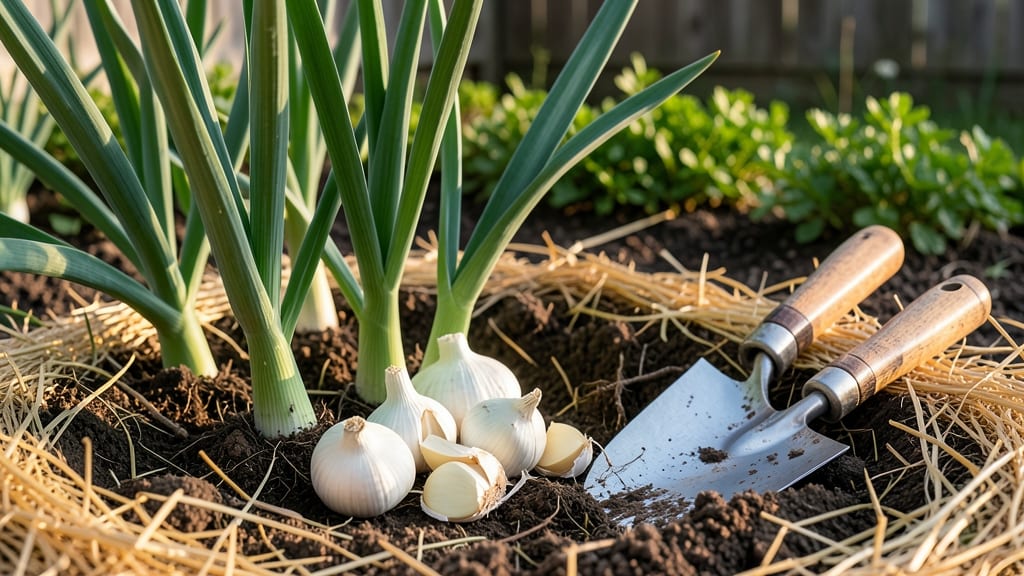
Planting garlic at the wrong time in Zone 6b can mean the difference between a bumper crop of plump 🧄 bulbs and disappointing harvests—or worse, no bulbs at all. Timing is everything, and even a few weeks off can impact flavor and yield.
If you're growing hardneck varieties—the best choice for Zone 6b's cold winters—you'll want to plant between October and November. This window ensures your garlic gets the cold stratification it needs to develop strong bulbs by next summer.
The key is planting about 4-6 weeks before the ground freezes, typically around mid-November for most of Zone 6b.
Why does timing matter so much? Garlic needs a period of cold to break dormancy, and planting too early or late can throw off its growth cycle. In Zone 6b, where winters are chilly but not extreme, this balance is crucial for success.
Let me walk you through the exact steps to time your planting perfectly and avoid common mistakes that ruin harvests.
You'll also discover how to adjust for unpredictable weather, including late starts in December or early attempts in September. With the right approach, you can still get a great harvest even if you miss the ideal window. Let's get started!
Best planting months for garlic in Zone 6B: hardneck varieties explained
Garlic thrives in Zone 6B because its hardneck varieties need cold winters to develop flavorful bulbs. The ideal planting window is October through November, but timing depends on your first frost date—typically around November 15 in this zone.
Planting too early or late disrupts the cold stratification process garlic needs to form bulbs.
For hardneck garlic, the key is planting when soil temperatures drop to 40-50°F (4-10°C). This happens in late fall, giving cloves time to root before winter dormancy. In Zone 6B, this usually aligns with mid-October to early November, but adjust based on your local frost dates.
Cold stratification—exposing garlic to winter chill—triggers bulb formation. Without it, you’ll get small, pungent cloves instead of large, flavorful bulbs. Hardneck varieties like 'German White' or 'Music' rely on this process, making timing critical for success.
If you miss the fall window, you can try spring planting, but yields will be smaller. Spring-planted garlic lacks the cold period needed for full bulb development. For best results, stick to fall planting and prioritize hardneck varieties over softneck types.
Here’s a quick reference for Zone 6B garlic planting:
| Stage | Action | Zone 6B Timeline |
|---|---|---|
| Soil Prep | Test pH (6.0-7.0), add compost | Late August - Early September |
| Planting | 4-6 weeks before frost (Oct-Nov) | Mid-October - Early November |
| Cold Stratification | Root growth in 40-50°F soil | October - January |
| Shoot Emergence | Green shoots appear in spring | March - April |
| Harvest | Lower leaves brown and dry | July - August |
In Zone 6B, early frosts can arrive by November 15, so aim to plant by mid-October for optimal bulb development. If your area has unpredictable frosts, err on the earlier side—late September to early October—to ensure roots establish before winter.
Hardneck garlic also benefits from 60-90 days of cold temperatures below 40°F (4°C). In Zone 6B, this typically happens from December through February, giving your cloves the chill they need. If winters are mild, consider planting slightly earlier to maximize cold exposure.
For hardneck varieties, avoid planting after November 15. Late planting reduces bulb size and flavor, as the plant won’t get enough cold stratification. If you’re unsure about your frost date, check local USDA frost maps or use a soil thermometer to monitor temperatures.
Pro tip: Plant garlic cloves pointy-end up, 2 inches deep, and 4 inches apart. Mulch with straw or leaves after planting to insulate cloves through winter. This simple step protects them from freeze-thaw cycles and keeps soil temperatures stable.
Remember, hardneck garlic in Zone 6B rewards patience. The cold winter months transform cloves into flavorful bulbs, making timing your secret weapon for a successful harvest.
Best planting months for garlic in Zone 6B: hardneck varieties explained
In Zone 6B, the ideal planting window for hardneck garlic is between mid-October and mid-November. This timing aligns with soil temperatures dropping below 70°F but before the ground freezes solid.
Hardneck varieties—like Music or German White—actually need cold stratification to form bulbs, making fall planting critical for success.
Garlic planted too early may sprout prematurely and weaken before winter, while planting too late risks incomplete bulb development due to insufficient cold exposure. The 4-6 week rule before your first hard frost (typically November 15 in Zone 6B) ensures cloves establish roots but stay dormant until spring.
| Timing Factor | Zone 6B Specification |
|---|---|
| Optimal Planting Window | Mid-October to mid-November |
| Soil Temperature Threshold | Below 70°F (21°C) |
| Cold Stratification Requirement | 60-90 days below 40°F (4°C) |
| First Frost Buffer | 4-6 weeks before average frost |
| Hardneck Variety Note | Produces scape in summer (harvest for extra flavor!) |
For Zone 6B gardeners, late October is my sweet spot—it balances root establishment with winter dormancy. Use a soil thermometer to confirm temperatures are consistently below 60°F at planting depth (2-3 inches).
If your winter is mild, aim for the earlier side of the window; harsher winters may push you toward mid-November.
Pro tip: Break apart garlic bulbs into individual cloves right before planting. The root end (smaller side) should face downward in the soil, with the pointy end upward. Plant 2 inches deep and 4-6 inches apart to prevent crowding—a common mistake that stunts bulb size.
Missed the fall window? Spring planting is possible but yields smaller bulbs. Plant softneck varieties (like Silverskin) in early spring (March) for green garlic or scallions, but hardnecks won’t form full bulbs this way. The cold stratification period is non-negotiable for hardneck success.
Remember: Garlic’s growth cycle spans nearly a year. Planting at the right time ensures maximum bulb development by July-August harvest, when lower leaves turn brown and papery. Get it right, and you’ll reward yourself with plump, flavorful bulbs—worth the patience! 🧄