
Plants
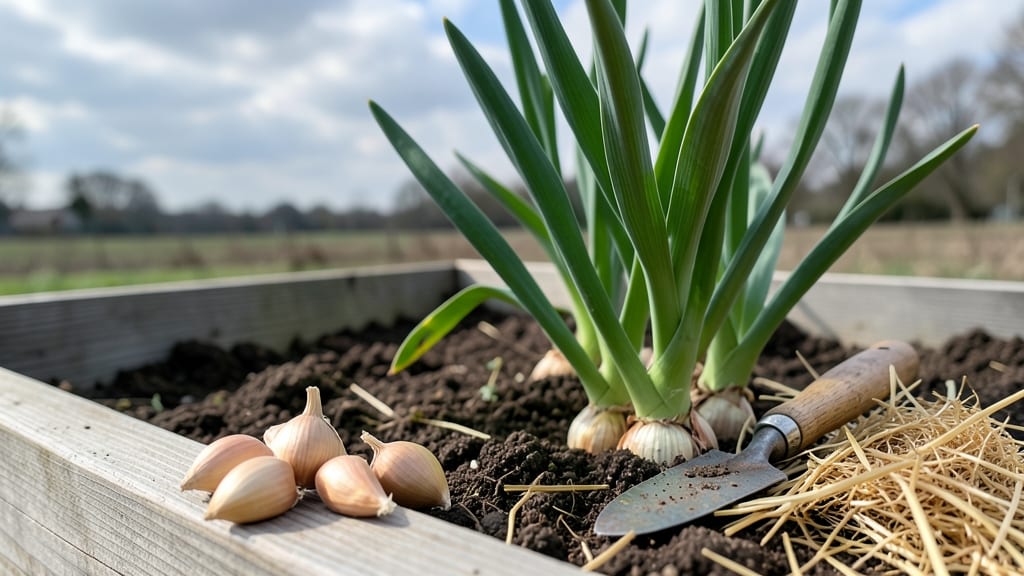
Timing your garlic planting in Adelaide can make the difference between a bumper harvest and disappointment—especially when the city’s mild autumn weather plays such a crucial role.
With just 4-6 weeks between the ideal window (April–May) and the first frost, getting those cloves in the ground at the right moment is the key to strong root growth.
If you’ve ever wondered why some gardeners swear by planting early while others wait until late autumn, it’s all about balancing soil temperatures and moisture. Adelaide’s 8a climate zone gives you a narrow but perfect opportunity: cool enough for roots to establish but warm enough to avoid stunted growth.
Miss this window, and you risk weak bulbs or even no harvest at all.
Here’s what you need to know to nail your 🧄 garlic timing—from choosing the right cloves to preparing the soil for Adelaide’s unique mix of sandy and clay patches.
I’ll walk you through the exact steps to set your garlic up for success, so you can look forward to harvesting plump, flavorful cloves by next spring.
Ready to grow the best garlic Adelaide has to see? Let’s break down the most important factors so you can plant with confidence and avoid common pitfalls that trip up even experienced gardeners.
Best autumn planting dates for garlic in Adelaide’s climate zones
Adelaide’s mild autumn temperatures (10–15°C) create the perfect window for planting garlic, but timing is critical. The ideal planting window is between mid-April and early May, giving roots time to establish before winter dormancy. This aligns with Adelaide’s 8a climate zone, where frost typically arrives by mid-May.
Planting too early (March) risks excessive moisture and fungal diseases, while waiting until June may result in stunted bulb development due to shorter daylight hours. The key is to plant 4-6 weeks before the first frost, ensuring strong root growth without exposing plants to harsh winter conditions.
Adelaide’s microclimates—especially in areas like Mount Lofty Ranges and coastal suburbs—can shift planting windows by up to 2 weeks. For example, cooler inland areas may benefit from an earlier start (late March), while warmer coastal zones can wait until late April.
| Planting Window | Soil Temperature | Frost Risk | Notes |
|---|---|---|---|
| Late March | 12–15°C | Low (coastal areas) | Best for inland zones; higher fungal risk |
| Mid-April | 10–13°C | Moderate | Ideal for most of Adelaide; balanced growth |
| Early May | 8–10°C | High | Last chance for coastal areas; slower growth |
For hardneck varieties (like ‘German White’), aim for the earliest window (mid-April) to ensure scapes form by spring. Softneck varieties (e.g., ‘Silverskin’) are more forgiving and can handle slightly later plantings (early May) without sacrificing bulb size.
Use a soil thermometer to confirm temperatures are above 10°C before planting. Adelaide’s sandy soils warm up quickly, so monitor closely—especially in exposed garden beds where wind can lower ground temps faster than expected.
If you miss the autumn window, don’t despair! You can still plant garlic in late winter (August) for a smaller harvest, but bulbs won’t be as large or flavorful. The autumn window is non-negotiable for premium garlic in Adelaide’s climate.
Pro tip: Mark your calendar for April 15th as your target date. This gives you a 2-week buffer to adjust for weather delays, ensuring your garlic gets the best possible start before winter sets in.
Once planted, focus on mulching heavily (5–7 cm of straw) to insulate roots and retain moisture. This is especially critical in Adelaide’s dry autumns, where soil can dry out quickly between rains.
How to prepare garlic cloves for Adelaide’s soil and weather conditions
Preparing your garlic cloves properly is the foundation for a successful harvest in Adelaide’s unique climate. Start by selecting firm, plump bulbs from last year’s harvest or buy certified organic seeds from a trusted supplier. Avoid using cloves from the supermarket—they’re often treated to prevent sprouting and won’t grow well.
Break bulbs into individual cloves 1–2 days before planting. This allows the cut ends to callus over slightly, reducing the risk of rot in Adelaide’s damp autumns.
Use a clean, sharp knife and make sure each clove retains its papery skin—this protects against fungal infections common in Adelaide’s sandy-loam soils.
Adelaide’s soil pH (6.0–7.0) is usually ideal for garlic, but test yours first.
If it’s too alkaline (common in clay-heavy areas like North Adelaide), amend with composted manure or sulfur to lower the pH. Work in 2 inches of compost or well-rotted organic matter to improve drainage—critical for preventing waterlogged roots during Adelaide’s unpredictable autumn rains.
- 🌱 Choose Varieties: Pick hardneck (e.g., ‘German White’) for scapes or softneck (e.g., ‘Silverskin’) for storage.
- ✂️ Break Bulbs: Separate cloves 1–2 days before planting; let ends dry slightly.
- 💧 Prepare Soil: Loosen soil to 6 inches deep and mix in compost. Adelaide’s clay soils benefit from sand for drainage.
- ☀️ Plant Depth: Bury cloves 2 inches deep, pointy end up, 4–6 inches apart in rows.
- 🌡️ Mulch Heavily: Apply 5–7 cm straw to insulate roots and retain moisture.
When planting, position cloves with the flat side down and the pointy end up—this ensures the shoot grows upward. Space rows 12 inches apart to allow airflow, reducing fungal risks like white rot, which thrives in Adelaide’s humid autumns.
If your garden bed is exposed to strong winds (common in coastal areas like Glenelg), create a windbreak with burlap or low shrubs to protect young shoots.
After planting, water deeply but infrequently—Adelaide’s sandy soils dry out quickly. Aim for 1 inch of water per week, delivered in the morning to prevent fungal diseases. Avoid overhead watering, which can spread pathogens. Instead, use a drip irrigation system or soaker hose for targeted moisture delivery.
Finally, mark your garlic bed with biodegradable stakes to avoid accidentally disturbing the plants when weeding. Adelaide’s winter weeds (like chickweed) can outcompete garlic, so keep the area clear. With these steps, your garlic will establish strong roots before winter, setting the stage for a bountiful spring harvest.