
Plants
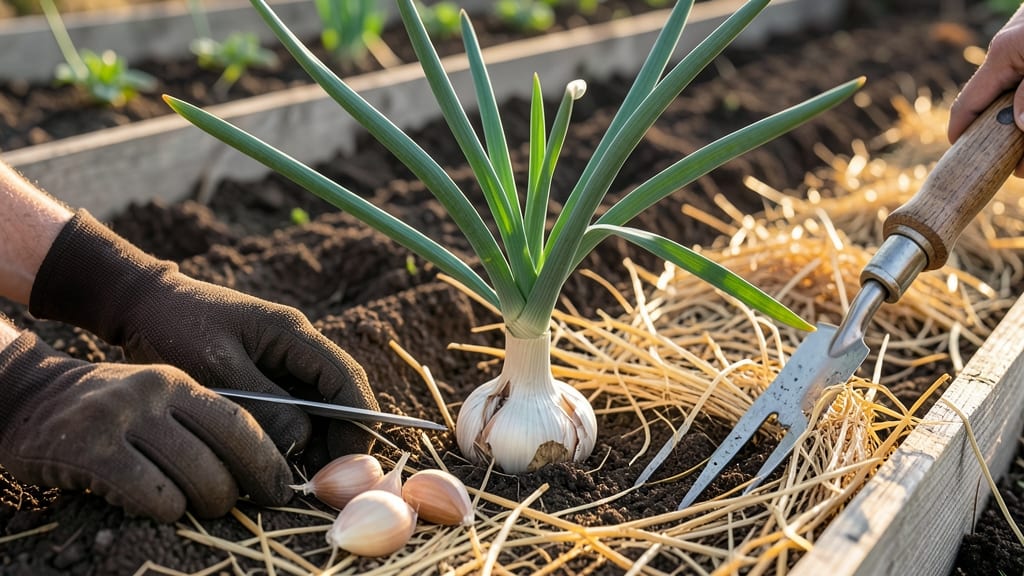
Knowing when to plant garlic in Delaware is the secret to growing bold, flavorful bulbs that outshine store-bought varieties. With Delaware's USDA Zone 7a-7b climate, timing your 🧄 harvest right means avoiding frost damage or stunted growth—both common mistakes even experienced gardeners make.
Fall planting is your best bet, but the 6-week window between October and November makes all the difference. Too early, and your cloves rot in cold soil; too late, and your harvest shrinks. I’ll break down the exact deadlines and soil prep tricks Delaware gardeners swear by to maximize yield.
Whether you’re growing hardneck for scapes or softneck for storage, this guide covers everything—from soil pH to frost dates—so your garlic thrives. Let’s get your garden set up for a flavor-packed harvest next summer.
Ready to skip the guesswork? Here’s how to plant garlic in Delaware like a pro, with zero wasted effort.
Delaware’s garlic planting deadlines: exact dates for USDA Zone 6b
Delaware’s USDA Zone 6b climate demands precision when planting garlic—fall planting is critical for bulb development. The ideal window runs from October 15 to November 30, aligning with soil temperatures between 40–50°F and before the first hard frost (November 15).
Planting too early risks rot, while late planting may result in smaller bulbs or no harvest.
Hardneck varieties (like Music or German White) thrive with 6–8 weeks of cold exposure, so aim for the earlier end of the window. Softneck varieties (e.g., Silverskin) are more flexible but still need to establish roots before winter.
Delaware’s humid summers also mean timing harvest right—late June to July for hardnecks, September for softnecks—to avoid heat stress.
🌱
For Delaware’s Zone 6b, the last viable planting date is November 30, ensuring garlic has 8–10 weeks to establish roots before winter. Use a soil thermometer to confirm temps are below 50°F—garlic cloves won’t sprout in warmer soil.
If you miss this window, consider spring planting (March), though yields may be smaller.
Pro tip: Mark your calendar for April 15, Delaware’s average last frost date. This helps track your 240-day growth cycle for hardnecks. Softnecks can stretch to 300 days, so plant them 2 weeks later in the fall window for a September harvest.
Delaware’s humid summers can stress garlic, so prioritize well-draining soil and morning watering to prevent fungal diseases like white rot. Mulch with straw (2–3 inches) after planting to insulate roots and retain moisture during spring thaw.
🌡️
If you’re unsure about your soil’s readiness, conduct a quick frost test: Bury a thermometer in soil at 4-inch depth for 24 hours. If temps drop below 32°F, your garlic is safe—Delaware’s winters are cold enough for hardneck varieties to vernalize (develop bulbs).
For softnecks, aim to plant closer to November 15 to avoid winterkill.
Local Delaware gardeners often swear by German White for its bold flavor and large bulbs, while Silverskin softnecks store longer. Choose varieties based on your harvest timing needs: Hardnecks mature first but store for 6–8 months, while softnecks last up to 12 months.
✂️
How to prepare your Delaware soil for garlic success
Delaware’s soil—whether clay-heavy in the north or sandy along the coast—needs special prep to grow plump, flavorful garlic bulbs. The key? A well-draining, nutrient-rich bed with a pH between 6.0 and 7.0.
Without this, your garlic risks stunted growth or disease. Let’s fix your soil the Delaware-proven way.
Start by testing your soil’s pH with a home test kit (available at local garden centers like Greenleaf Nursery). If it’s too acidic (<6.0), mix in pelletized lime (1/2 cup per 10 sq ft). For alkaline soil (>7.0), add sulfur or peat moss to lower the pH gradually over 2–3 months.
Next, focus on organic matter. Delaware’s native soil lacks the nutrients garlic craves, so work in 2–3 inches of compost (homemade or from local suppliers like Delaware Organic Growers) or well-rotted manure (chicken or cow).
For sandy coastal areas, add 1 inch of coconut coir to improve water retention.
Drainage is critical—garlic hates soggy roots. If your soil stays wet after rain, raise beds or mix in perlite or coarse sand (1 part sand to 3 parts soil).
In low-lying areas, consider a raised bed with a mix of 50% native soil, 30% compost, and 20% perlite for ideal conditions.
Before planting, till the soil to a depth of 8–10 inches to loosen compacted layers. Break up clumps and remove rocks or debris. For continuous garlic success, rotate planting spots yearly—never grow garlic in the same bed two years in a row to prevent disease buildup.
Finally, mulch with straw or shredded leaves (2–3 inches thick) after planting. This insulates roots during Delaware’s winter freezes** and suppresses weeds. Remove mulch in early spring to prevent rot as temperatures rise.