
Plants
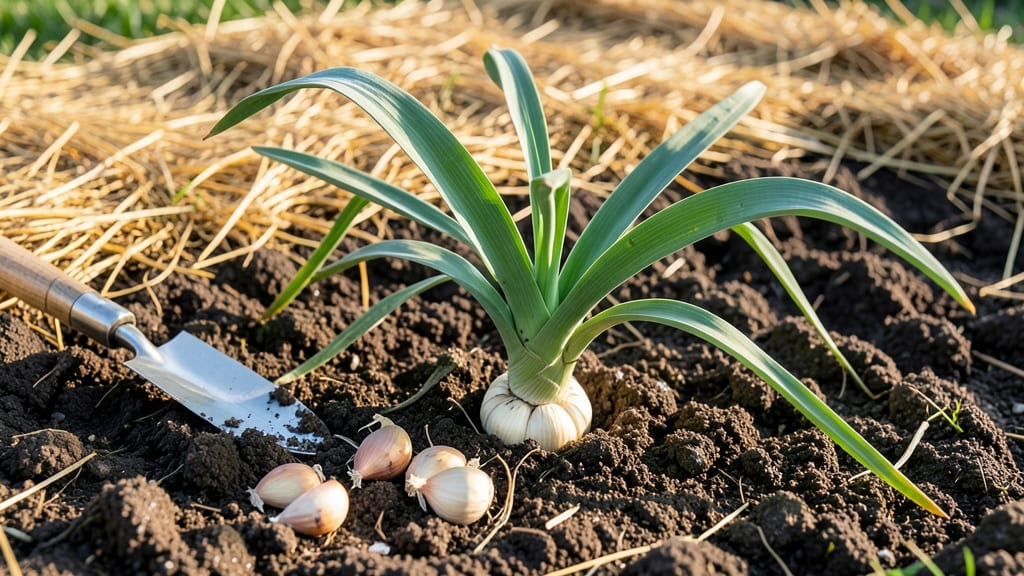
Planting garlic in Zone 6 at the wrong time can mean the difference between a bountiful harvest and wasted effort. The key to success lies in understanding your region's unique climate—where a 6-week window before hard frost is absolutely critical.
For hardneck garlic lovers like you, timing isn't just important; it's everything.
Most gardeners in Zone 6a-6b know fall planting is the way to go, but the exact months can be confusing. Should you plant in October or November? What if your winter comes early?
I'll break down the science behind the ideal planting window and how to adjust for your specific microclimate. No more guesswork—just reliable, season-proven advice that works.
Let's talk about the 3-step checklist I use every year to ensure my garlic thrives. From soil temperature to frost dates, we'll cover all the essentials so you can plant with confidence.
Whether you're a beginner or a seasoned gardener, these tips will help you avoid common mistakes that ruin garlic crops in Zone 6.
Ready to grow the best garlic you've ever had? The secret starts with knowing exactly when to plant. Let's get your cloves in the ground at the perfect time for a harvest that'll make your neighbors jealous.
Best planting months for hardneck garlic in Zone 6 (with exact dates)
Garlic thrives in Zone 6 when planted during the cool fall months, ideally when soil temperatures drop to 40-50°F. This timing ensures strong root development before winter dormancy. For most of Zone 6, the optimal window spans October through mid-November, but exact dates vary by microclimate.
Hardneck garlic specifically needs 6-8 weeks of cold exposure to form bulbs properly. Planting too early risks rot, while late planting may not provide enough cold before the ground freezes. Let’s break down the month-by-month strategy to maximize your harvest.
🌱
| Month | Ideal Planting Window | Soil Temp Requirement | Key Consideration |
|---|---|---|---|
| September | Early September (Northern Zone 6) | 55-65°F | Risk of rot if planted too early; reserve for mild winters |
| October | Mid-October to early November | 40-50°F | Prime time for most of Zone 6; ensures cold exposure |
| November | Mid-November (Southern Zone 6) | 35-45°F | Last chance before ground freezes; use for late winters |
| December | Not recommended | Frozen ground | Only viable if soil is workable; risk of heaving |
For Zone 6a (colder microclimates like northern Indiana or upstate New York), aim for mid-October to early November. In Zone 6b (milder areas like central Virginia or northern Missouri), you can plant as late as mid-November.
Always check your average first frost date—garlic needs 4-6 weeks of cold before the ground freezes solid.
Use a soil thermometer to confirm temperatures are below 60°F before planting. If your soil stays warm into November, opt for early October planting instead. The goal is to give garlic roots time to establish while exposing the bulbs to vernalization (cold treatment) for proper development.
Pro tip: Hardneck varieties like ‘Music’ or ‘German White’ perform best in Zone 6. These types need cold to form scape-producing stems, which are a bonus harvest. Softneck varieties (like ‘Silverskin’) can tolerate slightly warmer winters but lack the same flavor intensity.
🌡️
If you miss the fall window, spring planting is possible but yields are smaller. For spring, wait until early March when soil temps rise to 50°F. However, spring-planted garlic often produces smaller bulbs and fewer cloves, so fall remains the gold standard for Zone 6.
Mark your calendar for October 15th as the sweet spot for most of Zone 6. This date ensures garlic gets enough cold while avoiding the December freeze risk. Adjust by 1-2 weeks based on your local frost dates—your USDA Plant Hardiness Zone Map is your best friend here!
☀️
Best planting months for hardneck garlic in Zone 6 (with exact dates)
Zone 6's fall planting window for hardneck garlic is your golden opportunity—typically between mid-October and early November. This timing ensures garlic gets the 6-8 weeks of cold it needs to develop flavorful bulbs before winter dormancy.
Think of it as a race against the first hard frost, which usually hits Zone 6 by mid-November.
The magic happens when soil temperatures drop to 40-50°F—this triggers root growth while keeping tops dormant. In most of Zone 6, that means planting in late October for a reliable harvest.
But your exact dates depend on whether you're in Zone 6a (colder) or 6b (milder), which we'll cover next.
🌱 Zone 6 Garlic Planting Timeline
| Zone Type | Ideal Planting Window | Soil Temp Goal | Key Consideration |
|---|---|---|---|
| 6a (Colder) | October 15–25 | 40–50°F | First frost arrives earlier—plant sooner. |
| 6b (Milder) | October 25–November 5 | 40–50°F | Later frost dates allow flexibility. |
| Both Zones | Plant 4–6 weeks before ground freezes | N/A | Use a soil thermometer to confirm readiness. |
Pro tip: Check your average first frost date (usually October 15–30 in Zone 6) and count backward. For example, if frost hits November 15, aim to plant by October 1. This ensures garlic roots establish before winter sets in.
What about September planting? Some gardeners try it, but I don’t recommend it unless you’re in a mild microclimate. Garlic planted too early may sprout and rot before winter cold sets in. Save September for softneck garlic, which has different timing needs.
If you miss the fall window, don’t panic—spring planting (March–April) works too, though bulbs may be smaller. The key is getting cloves in the ground when soil temps hit that 40–50°F sweet spot. Use a soil thermometer to avoid guessing.
Remember: Hardneck garlic thrives on cold stratification, so the colder your Zone 6 winter, the better your harvest. That’s why timing matters more than anything else in garlic growing.