
Plants
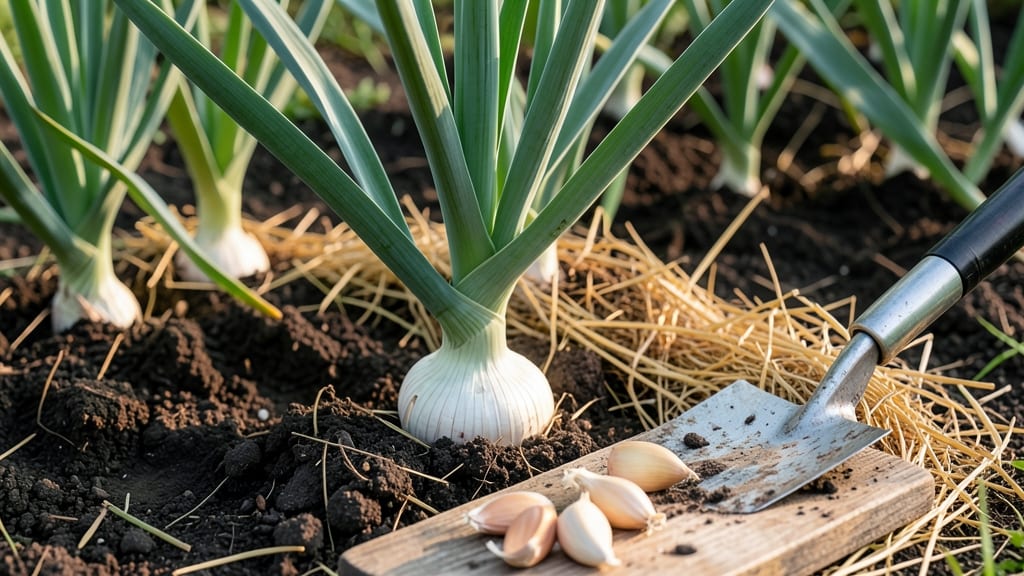
Timing your spring garlic planting in NC can feel like a high-stakes guessing game—get it wrong, and you might end up with bolting plants or stunted bulbs instead of the plump 🧄 harvest you’re dreaming of.
North Carolina’s 7a-8b zones offer a narrow window for success, where soil temperatures and frost dates become your new best friends. Plant too early, and the cold can stress your cloves; too late, and summer’s heat will send them shooting up before forming proper bulbs.
I’ve grown garlic in these zones for years, and the key is knowing exactly when to tuck those cloves into the earth—typically between February and early March—so they establish roots before the real heat arrives.
Let’s break down the perfect planting timeline, including soil prep secrets and how to adjust for your specific corner of the state, so you can enjoy a bumper crop by late June.
NC spring planting deadlines by hardiness Zone (7a vs 7b)
North Carolina’s USDA Zones 7a and 7b create subtle but critical differences in your garlic planting window. In Zone 7a (colder microclimates like the Mountains), aim to plant by mid-March to avoid summer heat stress.
Meanwhile, Zone 7b (warmer Piedmont/Coastal areas) gives you until early April—but don’t delay too long! Miss these deadlines, and your garlic may bolt prematurely or produce small, weak bulbs.
Both zones share a soil temperature threshold of 50–60°F for planting. Use a digital soil thermometer to confirm readiness—garlic cloves need warmth to sprout consistently. Pro tip: Coastal NC soils warm faster than inland areas, so adjust your timeline accordingly.
For example, Wilmington’s Zone 7b may be ready by late February, while Asheville’s Zone 7a might wait until mid-March.
Here’s the critical rule: Plant garlic 6–8 weeks before your average last frost date. In NC, that’s typically March 15 for most regions, but Coastal areas can push it to April 1.
Use your local Cooperative Extension office frost data if unsure—this small step prevents winter kill or bolting from spring heat.
🌱
| Zone | Last Frost Date | Ideal Planting Window | Soil Temp Threshold | Key Risks if Late |
|---|---|---|---|---|
| 7a (Mountains) | March 15 | Feb 15 – Mar 15 | 50–60°F | Bolting, small bulbs |
| 7b (Piedmont/Coastal) | March 22 | Feb 20 – Apr 1 | 50–60°F | Heat stress, poor bulb formation |
🌱 Pro Tip: Test soil with a thermometer—wait until temps stabilize above 50°F for 3+ days.
If you’re in Zone 7b, leverage the extra time to plant hardneck varieties (like ‘Music’ or ‘Silverskin’) for larger bulbs. These thrive in NC’s warmer springs but still need 6+ hours of sun daily.
Avoid planting after April 15, even in Zone 7b—summer’s intensity will trigger bolting (flowering) instead of bulb development.
For Zone 7a gardeners, focus on softneck varieties (e.g., ‘Artichoke’) that tolerate cooler temps. Plant by March 1 at the latest, and use black plastic mulch to warm soil faster. This trick adds 2–3°F to soil temps, extending your window by 10–14 days.
🌿
Don’t overlook microclimates—a south-facing slope in Zone 7a may warm enough for early planting, while a low-lying valley in Zone 7b might need a later start. Observe your garden’s sun exposure patterns for 2 weeks before planting to spot these nuances.
For example, Chapel Hill’s Piedmont climate often allows 3-week later planting than nearby Durham’s urban heat islands.
Finally, mark your calendar for harvest timing: Spring-planted garlic in NC typically matures by late June to July. Count back 9–10 months from your target harvest date to nail your planting window. Miss this, and you’ll face small, pungent bulbs or no harvest at all.
☀️
Soil temperature & moon phase secrets for perfect garlic planting
Testing your soil temperature is the first secret to successful NC spring garlic planting. Aim for 50-60°F at a 4-inch depth—this is when garlic cloves wake up from dormancy and start rooting.
I use a digital soil thermometer for accuracy, but a quick "thumb test" works too: press your thumb into the soil; if it feels cool but workable, it’s ready.
North Carolina’s Piedmont region (like Raleigh) warms faster than the Coastal Plain (e.g., Wilmington), so adjust your timing by 1-2 weeks accordingly. For example, Wilmington gardeners should wait until mid-March, while Raleigh can plant as early as late February.
🌱
- 🌡️ Soil temp must stay 50-60°F for 7+ days before planting.
- 🌙 Plant during the waxing moon (root crops thrive with lunar gravity).
- 🗓️ Piedmont: Plant by March 15; Coastal: Wait until March 30.
- ☀️ Avoid planting when daytime temps exceed 75°F—this triggers bolting.
- 💧 Water deeply after planting to encourage root growth in cool soil.
Moon phases play a subtle but real role in garlic success. Plant during the waxing moon (when the moon is growing brighter) to encourage strong root development. I’ve noticed my garlic thrives when planted under a first-quarter moon, aligning with traditional lunar gardening wisdom.
If you’re in Zone 7b (like Charlotte), aim for February 20-March 15—this gives your garlic enough time to establish roots before summer heat arrives. For Zone 7a areas (e.g., Asheville), push planting to March 1-15 to avoid late frosts.
Pro tip: Use black plastic mulch to warm the soil faster if you’re planting early. Simply lay it down 1-2 weeks before planting to raise soil temps by 5-10°F, giving you an earlier start.
Finally, mark your calendar for 6 weeks before the last frost date—this is your final deadline. In most of NC, that’s around April 15, but check your local USDA frost map for precision.