
Plants
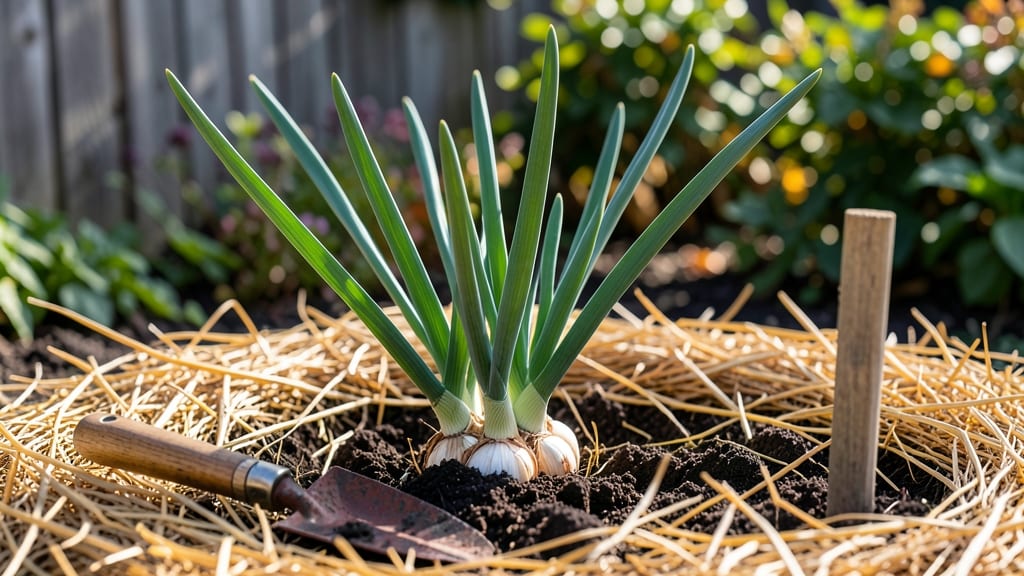
Timing your garlic planting in North Carolina can mean the difference between a bumper crop and a total flop—especially when you're betting on hardneck varieties that need winter chill to form those prized bulbs.
If you've ever wondered why some gardeners swear by October while others plant in November, the answer lies in your USDA zone and soil temperatures.
Most of North Carolina falls in zones 6b-8a, where garlic thrives when planted 4-6 weeks before the ground freezes—typically between late October and mid-November. The key? Getting those cloves in the soil when temperatures hover around 50-60°F, giving roots time to establish before winter sets in.
Here's the game-changer: Plant too early, and your garlic might bolt. Too late, and frost will stunt growth. I'll walk you through the exact windows for Coastal Plain, Piedmont, and Mountain regions—plus how to adjust for mild winters or late starts so you never miss the boat.
Ready to grow garlic that's plump, flavorful, and ready by late June? Let's dive into the perfect planting schedule for your North Carolina garden, where timing isn't just important—it's everything.
Optimal North Carolina fall planting dates for garlic by region
North Carolina’s diverse climate—from the Coastal Plain’s mild winters to the Mountains’ early frosts—means your garlic planting window varies wildly. The golden rule? Plant 4-6 weeks before the ground freezes when soil temps hit 50-60°F.
For most of NC (USDA zones 6b-8a), that’s late October to mid-November, but let’s break it down by region so you don’t guess.
In the Coastal Plain (zones 7b-8a), where winters are gentle, aim for mid-October to early November. The last frost typically hits around November 15, giving you a longer window to plant.
Meanwhile, in the Piedmont (zone 7b), frost arrives by November 1, so late September to October 15 is ideal. Mountain gardeners in zones 6b-7a must act fast—plant by mid-October to avoid early frosts.
Here’s the kicker: If you miss the fall window, you can still plant in early February, but spring garlic lacks the winter chill needed for hardneck varieties to form bulbs.
Softneck types may still produce, but expect smaller yields. For late starters, focus on soil temperature over calendar dates—use a soil thermometer to confirm 40-50°F before planting.
Mild winters? Adjust accordingly. If your area rarely dips below freezing, you might push planting into early December. Harsh winters? Prioritize earlier planting (September-October) to ensure roots establish before frost. The key is balance: too early, and garlic bolts; too late, and it rots.
Pro tip: Check your local Cooperative Extension Service for frost dates. For example, Raleigh’s average first frost is November 15, while Asheville’s is October 31. Use these as your deadline—planting 4-6 weeks before ensures success.
Still unsure? Use the 50°F soil temperature rule as your guide. Stick a thermometer in the ground at planting depth (2 inches). If it’s below 50°F, wait—cold soil slows root growth.
If it’s above 60°F, you’re too late for fall planting. For hardneck varieties, this winter chill is non-negotiable; skip it, and you’ll get weak stems and poor bulb formation.
One more pro move: If you’re in a warmer microclimate (like a south-facing bed), plant 2-3 weeks later than your region’s average. Conversely, shady spots or high elevations? Plant 2 weeks earlier to compensate. Microclimates are why your neighbor’s garlic thrives while yours struggles—pay attention to your garden’s unique conditions.
Remember, garlic planted in fall will harvest in late June or July of the following year. That means your October planting today could yield plump, flavorful bulbs by summer 2025.
Start now, and you’ll thank yourself next harvest season when your neighbors are scrambling to buy garlic at the store.
Optimal North Carolina fall planting dates for garlic by region
North Carolina’s diverse climate means your garlic planting window depends heavily on whether you’re in the Coastal Plain, Piedmont, or Mountains. Each region has unique frost dates and soil temperature patterns that dictate the perfect time to plant.
For example, gardeners in zone 7b (Piedmont) should aim for mid-October, while those in zone 8a (Coastal Plain) can wait until late October or early November.
The golden rule? Plant 4-6 weeks before the ground freezes—when soil temperatures drop to 50-60°F. This gives roots time to establish before winter dormancy.
In the Mountains (zone 6b), where winters are colder, early October is ideal, while the Coastal Plain’s milder winters allow for later planting into early November.
Missed the fall window? Don’t panic! You can still plant garlic in early February for a smaller harvest, but fall-planted garlic always yields the largest bulbs.
The key is adjusting for your region’s last frost date: aim to plant garlic 6 weeks before that date to avoid frost damage to young plants.
Here’s a quick regional breakdown to help you pinpoint your perfect planting window:
| Region | USDA Zone | Ideal Planting Window | Last Frost Date | Soil Temp Goal |
|---|---|---|---|---|
| Mountains | 6b | Early October | November 1 | 50-60°F |
| Piedmont | 7b | Mid-October | November 15 | 50-60°F |
| Coastal Plain | 8a | Late October - Early November | November 30 | 50-60°F |
If you’re in a milder microclimate (like near the coast), you might push planting into early December—but only if the soil hasn’t frozen. Use a soil thermometer to confirm temperatures are above 40°F before planting.
In colder years, earlier planting (late September) can prevent frost damage, especially in the Mountains.
Pro tip: Mark your calendar for 6 weeks before your region’s last frost date—this is your garlic planting deadline. For example, if frost hits the Piedmont on November 15, aim to plant by October 15.
Missed it? Plant in early February for a smaller harvest, but prioritize fall planting for the best results.
Garlic thrives on winter chill, so don’t rush—let nature do the work while you enjoy a head start on next summer’s harvest! 🧄