
Plants
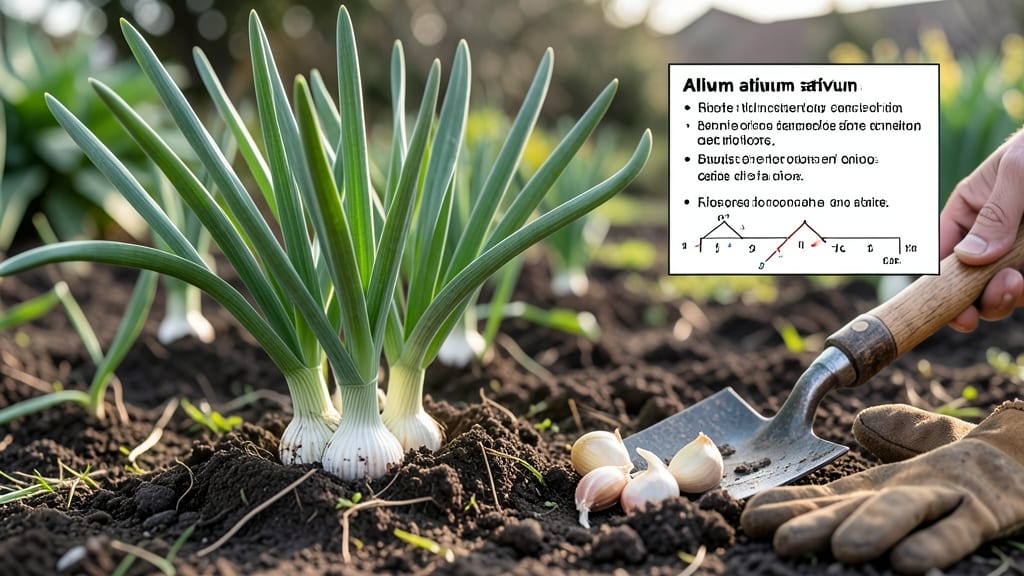
Timing your when to plant garlic in NH perfectly means the difference between a bumper crop of plump 🧄 bulbs and a disappointing harvest.
New Hampshire’s chilly winters and short growing season demand precision—plant too early, and frost will damage young cloves; too late, and your garlic won’t establish strong roots before winter sets in.
Most gardeners in zones 5a-6b swear by mid-to-late fall planting, but the exact window depends on your microclimate.
Whether you’re in the White Mountains or the Seacoast, I’ll break down the best October-November deadlines for hardneck varieties (the best choice for NH) and how to adjust if your first frost sneaks up early.
You’ll also discover how to prep your soil for maximum growth, which varieties thrive in NH’s 165-day frost-free season, and when to expect harvest-ready bulbs by late June. Let’s get your garlic off to the right start—because a little planning now means fewer headaches (and more flavor) come summer.
Ready to avoid common mistakes? I’ll walk you through the exact steps to plant garlic in NH, from soil temperature checks to protecting cloves from erratic winter weather. Your future meals—and your neighbors’ jealous glances—will thank you.
New Hampshire garlic planting deadlines by variety type (hardneck vs softneck)
New Hampshire gardeners know timing is everything—especially when planting garlic. The USDA zones 3-5 in NH mean you’ll need to adjust your schedule based on whether you’re growing hardneck or softneck varieties.
Hardnecks thrive in cold winters, while softnecks prefer milder conditions. For NH, hardnecks are your best bet, but both have specific planting deadlines to avoid frost damage.
Most NH gardeners plant garlic in fall (October-November), but the exact window depends on your last frost date and variety. Southern NH (Zone 5b-6a) has a slightly longer window than northern NH (Zone 3a-4b).
Aim to plant 4-6 weeks before the ground freezes—typically between mid-October and early November for most of the state.
Hardneck garlic (like 'German White' or 'Chesnok Red') needs cold exposure to form bulbs, so plant it earlier in the fall (late September to mid-October). Softneck garlic (like 'Silverskin') can handle slightly later planting (mid-October to November) but may not perform as well in NH’s harsh winters.
| Variety Type | Ideal Planting Window (NH) | Frost Tolerance | Best For |
|---|---|---|---|
| Hardneck Garlic | Late September - Mid-October | Excellent (-20°F to -30°F) | Cold climates, large bulbs, scapes |
| Softneck Garlic | Mid-October - Early November | Moderate (-10°F to -15°F) | Milder winters, storage, braiding |
| Elephant Garlic | Mid-October - Late October | Good (-15°F) | Large bulbs, milder taste |
🌱 Pro Tip: Use a soil thermometer to confirm 40-50°F soil temps before planting.
If you miss the fall window, you can try planting in early spring (March-April), but bulbs will be smaller and less flavorful. Spring-planted garlic relies on summer heat to mature, which is risky in NH’s short growing season.
For best results, stick to fall planting and use local frost data from the NH State Climate Office.
Northern NH gardeners (Zones 3-4) should plant earlier (late September) to avoid early frosts. Southern NH (Zones 5-6) can plant until mid-November, but avoid planting too late—garlic needs 6-8 weeks of cold to form properly.
Use mulch (straw or leaves) to insulate cloves over winter and protect them from freeze-thaw cycles.
One common mistake is planting garlic too early in fall, which can cause it to sprout before winter. If you notice green shoots in late fall, cover the bed with 12 inches of mulch to prevent frost heave.
Conversely, planting too late risks cloves rotting before winter sets in. Aim for a balanced approach based on your last average frost date.
For hardneck garlic, the scapes (curly stems) appear in June and can be harvested to encourage larger bulbs. Softneck varieties don’t produce scapes, so focus on bulb size and storage life.
In NH, hardnecks are preferred for their hardiness and flavor, while softnecks are better for long-term storage (though they struggle in extreme cold).
Always use certified organic garlic from a reputable supplier to avoid introducing diseases or pests to your garden. Store-bought garlic from the grocery store may have been treated to prevent sprouting and isn’t ideal for planting.
Look for plump, firm cloves with intact papery skins—these are your best bet for a successful NH harvest.
Harvest time in NH is late June to July, when the lower leaves turn brown and the tops begin to yellow. If you wait too long, bulbs may split or sprout.
Cure harvested garlic in a dry, shaded, and well-ventilated area for 2-4 weeks before storing. Proper curing extends shelf life and preserves flavor.
🌿
How to adjust planting time for NH’s microclimates and frost patterns
New Hampshire’s frost patterns vary wildly—from the Seacoast’s milder winters to the White Mountains’ harsh freezes. If you plant garlic too early in zone 5a, young cloves may sprout before winter sets in, only to die back from frost.
Too late, and they won’t root deeply enough for spring growth. The key? Adjust your planting window based on your elevation and historical frost data.
For most of NH, aim to plant 4-6 weeks before the ground freezes. In southern NH (Portsmouth, Dover), this often means mid-October to early November. But in the north (Littleton, Berlin), where frosts arrive earlier, shift your timeline to late September to mid-October.
Always check your local USDA frost calendar—it’s your best guide.
Soil temperature is just as critical as air temperature. Garlic cloves need 40°F soil to sprout but won’t tolerate freezing. Use a soil thermometer to confirm readiness—if temps drop below 35°F, cover your bed with straw mulch (4-6 inches) to insulate roots.
In high-elevation areas, this extra protection can extend your planting window by 2-3 weeks.
⚠️ Callout Warning: Watch for False Springs!
Warning: NH’s unpredictable thaw-freeze cycles can trick garlic into sprouting early, only for a late frost to kill tender shoots. If temps rise above 40°F in winter and your garlic breaks dormancy, protect it immediately with row covers or burlap wraps. Without protection, a single 28°F night can stunt growth for the entire season.
Pro Tip: Plant hardneck varieties (like German White) first—they’re more cold-hardy and can tolerate shorter growing seasons better than softnecks.
Don’t overlook microclimates within your garden. South-facing slopes warm up faster in spring, while low-lying areas hold frost longer. Test your soil in multiple spots—if one bed freezes 2 weeks earlier than another, adjust planting dates accordingly.
For example, if your front yard gets frost by November 10 but your backyard holds out until November 25, plant the back first.
If you’re unsure about your local frost dates, plant in stages. Start with half your cloves in early October and the rest 2 weeks later. This hedging strategy ensures at least part of your crop survives, even if one batch gets caught by an early freeze.
It’s also a great way to test which varieties perform best in your specific NH microclimate.
Finally, keep an eye on weather forecasts in late fall. If a hard freeze is predicted within 10 days of planting, delay until conditions stabilize. Your garlic will thank you with larger bulbs and fewer shriveled cloves at harvest time.
With these adjustments, you’ll nail your NH garlic planting window every time—no guesswork required.