
Plants
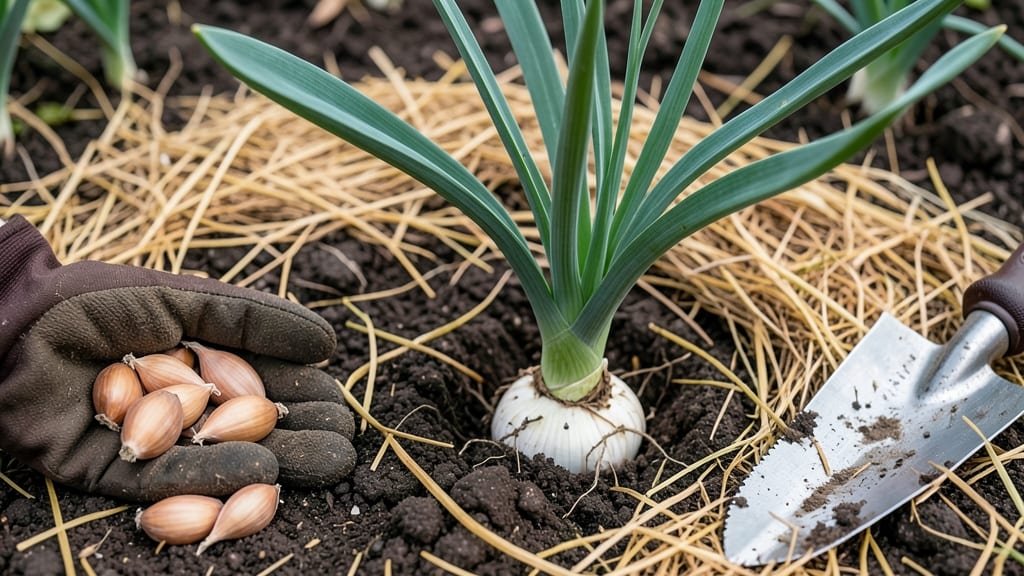
Timing your garlic 🧄 planting in North Dakota isn’t just about the calendar—it’s about outsmarting the frost. Plant too early, and winter’s bite will stall your crop; too late, and you’ll miss the sweet spot for hardneck development.
The secret lies in those first hard freezes, which trigger the bulb-forming process—something gardeners in zones 3b-5a can’t afford to guess wrong on.
Most North Dakota growers swear by planting between mid-September and early October, but why? Because garlic needs 4-6 weeks of cold before the ground freezes solid. That window ensures your cloves get the chill they crave without rotting in soggy soil.
Skip this step, and you’ll end up with puny bulbs—or worse, no harvest at all.
Here’s the game-changer: even experienced gardeners in Fargo or Bismarck adjust their timing based on last frost dates. If your area’s first hard freeze hits by October 15, you’ve got about 6 weeks to plant before the ground locks up.
Too tight? No problem—I’ll show you how to stretch that window with mulch and row covers, so you’re not racing the clock.
Ready to grow plump, flavorful garlic 🧄** that thrives in North Dakota’s short season? Let’s break down the exact steps—from soil prep to frost-proofing—so you can plant with confidence and harvest like a pro by mid-July. No more second-guessing, just garlic success.
North Dakota’s ideal garlic planting window by frost dates
North Dakota’s USDA Zones 3b-5a create unique challenges for garlic growers, but timing your planting around frost dates ensures success. Hardneck garlic requires cold exposure—typically 40-60 days below 40°F—to form bulbs properly.
Plant too early, and frost will damage cloves; too late, and you’ll miss the cold requirement entirely.
For most of North Dakota, the ideal planting window falls between mid-September and early October. This aligns with the state’s average first frost date of October 15, giving garlic enough time to establish roots before winter sets in.
However, elevations and microclimates can shift this window by 1-2 weeks, especially in areas like the Red River Valley or Turtle Mountains.
Here’s how to adjust your planting schedule based on your specific location and frost dates:
| Region | USDA Zone | First Frost Date | Ideal Planting Window | Adjustments |
|---|---|---|---|---|
| Northwest (e.g., Dickinson, Minot) | 4a-5a | October 5-15 | Late September to October 1 | Plant slightly earlier; colder winters extend cold requirement. |
| Central (e.g., Bismarck, Fargo) | 4b-5a | October 10-20 | Mid-September to October 10 | Standard window; prioritize well-draining soil. |
| Southeast (e.g., Grand Forks, Valley City) | 3b-4a | October 15-25 | Early to mid-September | Plant earlier to meet cold requirement; use mulch for protection. |
| Western (e.g., Williston, Watford City) | 4b-5a | October 5-15 | Late September to October 1 | Drier climate; water consistently after planting. |
To pinpoint your exact planting window, check the North Dakota State Climate Office for your county’s historical frost dates. Aim to plant 4-6 weeks before the ground freezes, ensuring cloves have time to root but aren’t exposed to prolonged freezing.
For example, in Fargo (Zone 4a), planting by October 1 is ideal, while in Devils Lake (Zone 3b), you’ll need to plant by September 15 to meet the cold requirement.
If you’re unsure about your local frost dates, use a soil thermometer to monitor temperatures. Garlic cloves should be planted when soil temps drop to 40-50°F—this signals the start of the cold period they need.
In North Dakota, this typically happens in late September, but it can vary by 5-7 days depending on weather patterns.
Another critical factor is soil drainage. North Dakota’s clay-heavy soils in many areas can trap moisture, leading to rot. Amend your soil with compost or sand before planting to improve drainage. Well-drained soil is especially important if you’re planting in low-lying areas where water pools after rain or snowmelt.
For gardeners in warmer microclimates, like urban areas with heat islands, you might extend the planting window into early November. However, avoid planting after November 10, as the cold requirement won’t be met.
If you’re in doubt, opt for early planting—garlic cloves can tolerate light frosts once rooted, but they won’t form bulbs without sufficient cold exposure.
Pro tip: Use row covers or mulch if you plant early and face unexpected cold snaps. A 4-inch layer of straw mulch can protect cloves from freezing while allowing them to absorb cold gradually. This is especially useful in Zone 3b areas, where winters are harshest.
Finally, choose the right garlic variety for North Dakota’s climate. Hardneck garlic, like 'German White' or 'Chef', thrives in cold winters and produces hardnecks (scape) and larger bulbs. Avoid softneck varieties, which struggle with the cold and are better suited for milder climates.
By aligning your planting with local frost dates and soil conditions, you’ll set your garlic up for a successful harvest in mid-July. Next, we’ll walk through a month-by-month planting timeline to keep your garlic on track through North
Step-by-step garlic planting timeline for North Dakota’s climate
Timing is everything when planting garlic in North Dakota, where the growing season is short and winters are unforgiving. My step-by-step timeline ensures you align your planting with the state’s frost dates and soil conditions for maximum success.
Follow these actions from September prep to July harvest to grow hardneck varieties like ‘German White’ or ‘Music’.
Start by testing your soil temperature in late August. Use a soil thermometer to confirm it’s below 60°F (15°C)—this signals the ideal window to plant.
If your soil is still warm, wait until mid-September to avoid premature sprouting before frost. North Dakota’s USDA Zones 3b-5a demand this precision to trigger bulb formation.
Protect your garlic from early spring thaws by using floating row covers if temperatures rise above 40°F (4°C). This mimics the cold stratification hardneck garlic needs to form bulbs.
In western North Dakota, where winters are colder, plant slightly earlier (late August) to ensure cloves experience enough freeze-thaw cycles.
Monitor your garlic’s growth stages closely in spring. By late May, shoots should emerge 4-6 inches tall. If growth stalls, check for soil compaction or poor drainage—both are common issues in North Dakota’s clay-heavy soils. Amend beds with compost if needed to improve structure.
Harvesting is the final critical step. In North Dakota’s short season, garlic is ready by mid-July when 50% of leaves yellow. Use a fork to loosen soil before pulling bulbs gently by the stems.
Avoid washing them—let them air-dry in a well-ventilated area to prevent rot. Store cured bulbs in a cool, dark place for up to 6 months.
By following this timeline, you’ll maximize your garlic’s cold requirement while avoiding North Dakota’s late frosts and short growing window. Whether you’re a beginner gardener or a seasoned grower, these steps ensure a reliable harvest of flavorful hardneck garlic. 🌱