
Companion Plants
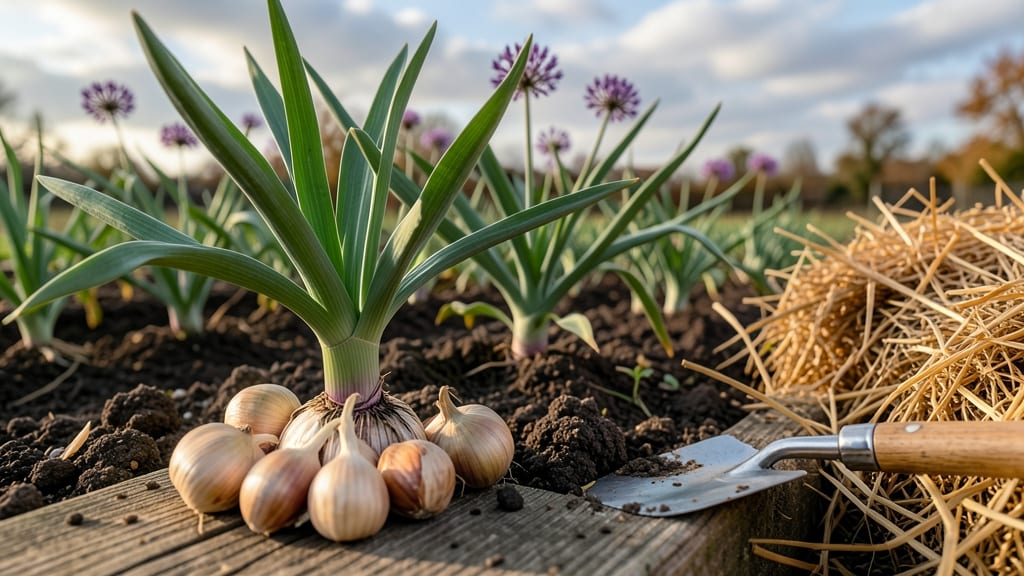
Planting garlic at the wrong time in Northeast PA could mean watching your crop freeze solid before spring—no matter how hardy your 🧄 variety is. The key to success lies in understanding your county's frost timeline, because those 2-3 weeks between ideal planting and ground freeze make all the difference.
Unlike spring planting, which is possible but riskier, fall is the gold standard for Northeast PA gardeners in zones 5b-6b. When you time it right—typically between late September and early October—your garlic gets a head start on root development before winter sets in.
But get it wrong, and you're left with heaved bulbs or total crop failure.
I'll show you exactly when to plant in your specific county, which garlic varieties thrive here, and how to prep your soil for winter survival. We're talking zero-frost strategies that actually work, not just theory.
Let's get your garlic in the ground at the perfect moment so you're harvesting plump bulbs next summer.
The secret isn't just about dates—it's about understanding your local microclimate. Whether you're in Luzerne County or Lackawanna, we'll cover the critical window before ground temperatures drop below 40°F. Ready to plant with confidence?
Northeast PA fall garlic planting deadlines by county (avoid frost damage)
Garlic thrives in Northeast PA's USDA Zones 5b-6b, but planting too late risks frost damage. Your last planting window depends on your county—aim for 4-6 weeks before ground freeze, typically late September to early October.
In colder zones like Poconos or Wyoming Valley, plant by mid-September; in warmer areas like Scranton or Wilkes-Barre, you can stretch to early October.
Soil temperature is your best guide. Plant when soil cools to 40-50°F—warmer than this, and roots won’t establish before winter.
Use a soil thermometer to check; if temps drop below 32°F, your garlic may heave or rot. First frost dates vary by county, but most of Northeast PA sees it by mid-October, with later frosts in higher elevations.
⚠️ CRITICAL: Planting after October 15th in most counties risks winter kill. For example, Lackawanna County (Zone 5b) needs garlic in the ground by October 1st, while Luzerne County (Zone 6a) can wait until October 10th. Use the table below to find your county’s exact deadline.
| County | USDA Zone | Ideal Planting Window | Last Deadline | Soil Temp Threshold |
|---|---|---|---|---|
| Lackawanna | 5b | Late Sept – Oct 1 | Oct 1 | 40-50°F |
| Luzerne | 6a | Late Sept – Oct 10 | Oct 10 | 40-50°F |
| Wyoming | 5b | Late Sept – Oct 1 | Oct 1 | 40-50°F |
| Pike | 5b | Late Sept – Oct 1 | Oct 1 | 40-50°F |
| Sullivan | 5a | Mid-Sept – Sept 25 | Sept 25 | 40-50°F |
| Wayne | 6a | Late Sept – Oct 10 | Oct 10 | 40-50°F |
| Monroe | 6a | Late Sept – Oct 10 | Oct 10 | 40-50°F |
| Columbia |
How to prepare garlic for planting in cold climates (soil, variety, and timing tips)Northeast PA’s chilly winters demand special prep work before planting garlic. The difference between a thriving crop and a frost-heaved failure often comes down to soil prep and variety selection. Cold-hardy varieties like 'German White' or 'Music' are your best bets—they handle our USDA Zone 5-6 winters like pros. Start by testing your soil’s drainage and pH. Garlic hates soggy soil, so amend heavy clay with compost or sand to prevent rot. Aim for a pH of 6.0-7.0—too acidic, and your bulbs won’t develop properly. I’ve had the best luck adding aged manure or compost in early fall to give roots a nutrient boost before winter sets in. Here’s the critical prep |