
Plants
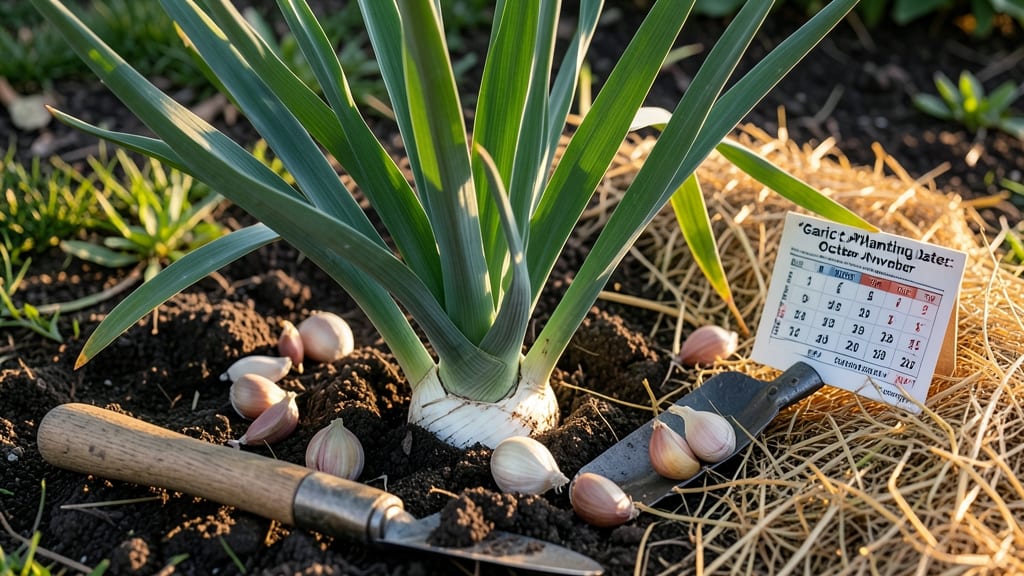
Timing your garlic planting in Ontario, Canada right can mean the difference between a thriving crop and a wasted effort—especially when dealing with hardneck and softneck varieties. With Ontario’s 5b-6a climate and unpredictable frost dates, getting it wrong could leave you with stunted growth or no harvest at all.
Most gardeners know fall is the prime window for planting 🧄 garlic, but did you know the exact timing matters just as much as the variety?
Whether you're a beginner or a seasoned grower, planting between October and November gives your garlic the 4-6 weeks it needs to establish roots before winter dormancy. This guide breaks down the best months for each type and why it’s critical to avoid common mistakes.
Ontario’s microclimates—from Niagara’s milder zones to Toronto’s frost-prone areas—can shift ideal planting dates by weeks. We’ll cover how to adjust for your region, plus soil prep tips to ensure your garlic thrives. Skip the guesswork and learn the exact steps to maximize your harvest next July or August.
Ready to grow bigger, healthier bulbs? Let’s dive into the timing secrets that Ontario gardeners swear by—so you can plant with confidence and harvest like a pro.
Best planting months for garlic in Ontario by variety type
Ontario’s cool climate and variable frost dates make timing critical for garlic success. Unlike warmer regions, garlic thrives when planted in fall—not spring—so the bulbs establish roots before winter dormancy.
The key window is 4-6 weeks before the ground freezes, typically mid-October to early November across most of Ontario.
This timing ensures garlic develops a strong root system before winter, which translates to larger bulbs by harvest. Hardneck varieties (like Rocks and Artichoke) are best suited for Ontario’s climate, while softneck varieties (like Silverskin or Creole) can also work but may struggle in colder zones.
For gardeners in Southern Ontario (e.g., London, Niagara), you can push planting slightly later—even into early December—if the ground hasn’t frozen. In contrast, Northern Ontario (e.g., Sudbury, Ottawa) demands earlier planting, ideally by mid-October, to avoid winter kill.
| Variety Type | Ideal Planting Window | Ontario Region Fit | Key Notes |
|---|---|---|---|
| Hardneck (e.g., Rocks, Artichoke) | Mid-October to early November | All regions (best for Ontario) | Produces scape (flower stalk); cold-hardy. |
| Softneck (e.g., Silverskin, Creole) | Late September to mid-October | Southern Ontario only | Milder climate needed; stores longer but fewer scapes. |
| Both Types | Avoid planting after November 15 | All regions | Risk of rot if planted too late; roots won’t establish. |
If you miss the fall window, spring planting is possible but yields are smaller. For spring planting, wait until March or April when soil temperatures reach 4°C (40°F). However, this method is riskier in Ontario due to unpredictable frost and shorter growing seasons.
Pro tip: Use a soil thermometer to confirm the ground is below freezing before planting. In most of Ontario, this happens by mid-November, but check local frost dates for accuracy. Planting too late can leave garlic vulnerable to heaving (bulbs pushing out of soil due to freeze-thaw cycles).
For container gardeners, fall planting works too—just ensure pots are buried in the ground or wrapped in straw to insulate roots. This mimics in-ground conditions and protects against temperature swings. Mulch heavily with straw or leaves (6-8 inches) to retain moisture and insulate bulbs over winter.
Hardneck varieties like German White or Music are top picks for Ontario because they handle cold better and produce scape, which you can harvest for cooking.
Softneck varieties, while storable, may not thrive in colder zones like Zone 5b (e.g., Ottawa). Always choose certified disease-free cloves from local nurseries to avoid introducing pathogens.
Remember: Garlic planted in fall = larger bulbs; spring planting = smaller bulbs. Ontario’s climate rewards patience—so mark your calendar for October 15 as your target date and adjust based on your region’s last frost.
How Ontario’s microclimates affect garlic planting zones
Ontario’s diverse climate zones mean your garlic planting timeline should shift depending on where you live. Southern Ontario’s milder winters (like in Niagara or London) allow for later fall planting, while Northern regions (such as Sudbury or Ottawa) demand earlier action to beat the frost.
Understanding these microclimates helps you avoid planting too late or too early, both of which can ruin your harvest.
The key factor is your last average frost date, which varies by zone. In Zone 5b, like Toronto, garlic should go in the ground by mid-October, while in Zone 6a (e.g., Niagara), you might push it to early November.
Northern Ontario’s shorter growing season means planting by late September to ensure roots establish before winter.
Soil temperature also plays a role. Garlic cloves need soil temps below 10°C (50°F) to trigger dormancy, but not so cold that they freeze before rooting. In colder zones, aim for earlier planting—even late September—to give roots time to develop before the ground locks up.
Southern Ontario gardeners have more flexibility but should still plant 4-6 weeks before the first hard frost.
If you’re unsure about your frost dates, check local weather records or use the Canadian Hardiness Zone Map as a guide. For example, Ottawa’s Zone 4b requires garlic to be planted by mid-September, while Windsor’s Zone 6a can wait until early November.
Even within cities, microclimates matter—urban areas may stay warmer longer, delaying frost by 1-2 weeks compared to rural zones.
For container gardening in colder regions, plant garlic in large pots and move them to a sheltered spot or garage during extreme cold snaps. This extends your planting window but requires extra care to prevent root damage.
Always use well-draining soil and avoid waterlogged conditions, which are common in Ontario’s spring thaw.
Pro tip: Mark your planting spots with stakes or flags so you don’t accidentally disturb the soil in spring. Garlic is a low-maintenance crop, but timing and location are everything in Ontario’s climate.
A little regional research now saves you from disappointment later—especially when you’re eyeing that first harvest in July or August! 🌱