
Plants
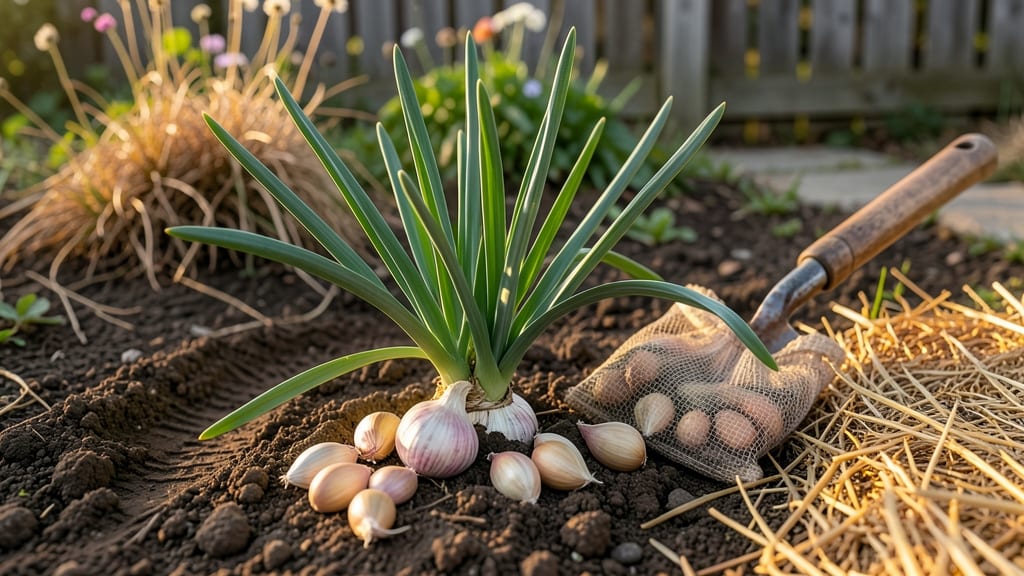
Planting garlic in the spring might seem tricky, but with the right timing, you can grow hardy varieties that regrow year after year. The key is understanding when to plant for maximum success in your climate zone.
Most gardeners know garlic thrives when planted in fall, but spring planting works too—especially for cold-hardy varieties like hardneck garlic. In USDA Zone 6a, aim to plant 4-6 weeks before your last frost date, typically between late February and early March.
This window gives your garlic enough time to establish roots before summer heat sets in.
Why does timing matter so much? Planting too late can stunt bulb development, while getting it right ensures strong regrowth next season. I’ll walk you through the exact steps to prep your soil, choose the best cloves, and avoid common pitfalls that kill spring-planted garlic.
Ready to grow garlic that keeps coming back? Let’s break down the perfect spring planting schedule and how to set yourself up for a bountiful harvest—no gardening experience required.
Best spring planting timeline for cold-hardy garlic varieties
Spring-planted garlic thrives when you align your schedule with cold-hardy varieties and your local last frost date. Unlike fall-planted garlic, spring garlic needs a 4-6 week head start before the ground warms too much.
This timing ensures bulbs develop properly and regrow next year—critical for hardneck varieties like Rocky Mountain or Silverskin.
Most gardeners in USDA zones 3-8 should plant garlic between late February and early April. For example, in zone 5, aim for March planting, while zone 8 gardeners should plant by late February.
Use your local frost charts (available from the National Weather Service) to calculate your exact window.
Why does timing matter so much? Spring-planted garlic relies on cool soil temperatures (below 70°F) to establish roots before summer heat stresses the plants. Plant too late, and you’ll end up with small, weak bulbs that won’t regrow reliably—if they survive at all.
Here’s the golden rule: Plant garlic 4-6 weeks before your average last frost date. This gives roots time to anchor before summer’s intensity. For instance, if your last frost is April 15, plant by mid-March.
Use this window to your advantage, especially if you’re growing hardneck varieties, which need cold exposure to form bulbs.
| USDA Zone | Ideal Planting Window | Key Consideration |
|---|---|---|
| 3-4 | Late March - Early April | Short growing season; prioritize early-maturing varieties like German White. |
| 5-6 | Mid-March - Late March | Moderate climate; hardneck varieties like Chesnok Red thrive here. |
| 7-8 | Late February - Early March | Warmer winters; plant softneck varieties like Artichoke for regrowth. |
| 9-10 | January - Early February | Mild winters; focus on early harvests to avoid summer heat stress. |
If you’re unsure about your zone, the USDA Plant Hardiness Zone Map is your best friend. Enter your ZIP code to find precise frost dates and adjust your planting schedule. Pro tip: Bookmark your local cooperative extension service website—they often publish yearly planting calendars tailored to your region.
For regrowth potential, prioritize hardneck garlic varieties, which produce scape shoots in their second year. These shoots can be harvested for cooking while the bulb continues to grow. Softneck varieties, like Silverskin, also regrow but focus more on bulb production.
Either way, soil temperature is your best indicator—keep it below 75°F during the first 8 weeks after planting.
One common mistake? Waiting until April to plant, assuming you have more time. By then, soil temperatures rise, and garlic struggles to establish roots. Instead, soak cloves in water overnight before planting to jumpstart germination.
This trick works especially well in dry climates like zone 7 or zone 8, where spring can arrive abruptly.
Finally, remember that spring-planted garlic has a shorter growing season than fall-planted garlic. To compensate, choose early-maturing varieties like Creole or Music. These varieties tolerate heat better and still yield large, flavorful bulbs by mid-summer.
With the right timing, your spring garlic could outperform fall-planted crops in flavor and size!
Best spring planting timeline for cold-hardy garlic varieties
Spring-planted garlic thrives when you align your schedule with local frost dates and cold-hardy varieties. Unlike fall planting, spring garlic needs to establish roots before summer heat arrives.
In USDA Zones 3-8, aim to plant 4-6 weeks before your last frost date—typically between late February and early April.
For example, in Zone 6a, where last frosts often hit around April 15, plant between late February and early March.
This timing ensures garlic develops strong roots before summer stress. Hardneck varieties like 'German White' or 'Music' are ideal for spring planting since they regrow reliably year after year.
Use a frost chart from your local USDA zone to pinpoint the exact window. For Zone 5, plant by March 15; for Zone 7, extend to April 1. Missing this window means smaller bulbs or poor regrowth next season.
| USDA Zone | Planting Window | Key Varieties | Regrowth Potential |
|---|---|---|---|
| Zone 3-4 | Late February - Early March | 'Silverskin', 'Artichoke' | Excellent (perennial) |
| Zone 5-6 | Late February - Early April | 'German White', 'Music' | Very Good (hardneck) |
| Zone 7-8 | March - Early April | 'Creole', 'Silverskin' | Good (softneck) |
*Regrowth potential varies by variety and climate. Hardnecks regrow best in cooler zones.
After planting, garlic needs consistent moisture and 6+ hours of sunlight daily. Mulch with 4-6 inches of straw to retain soil moisture and protect roots from temperature swings. In warmer zones (7+), prioritize shade cloth during peak summer to prevent bolting.
Spring-planted garlic typically matures 90-120 days later, so plan harvests for late June to early August. Unlike fall-planted garlic, spring bulbs may be smaller but are perfect for regrowing next year if you leave a few cloves in the ground.
Pro tip: Mark your planting date on a garden journal to track regrowth patterns. Over time, you’ll refine your timing for bigger bulbs and healthier regrowth—just like a seasoned garlic grower! 🌱