
Plants
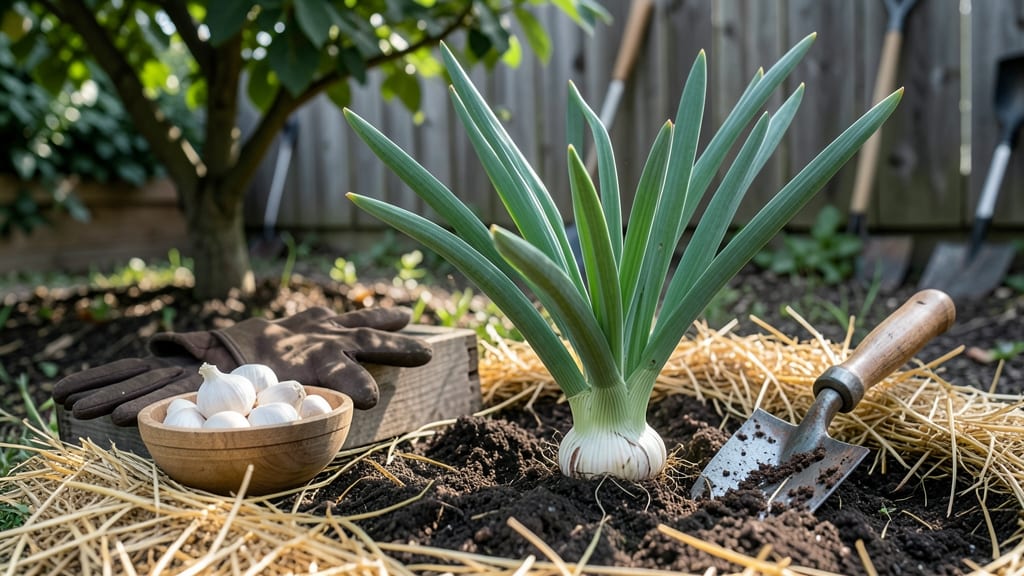
If you're asking "when to plant garlic in Upstate NY", timing is everything—because planting too early means soggy cloves, and too late risks frost damage. Upstate NY's 5b-6b zones demand precision, especially when frost can sneak in as early as mid-October or linger until mid-November.
Most gardeners here swear by fall planting between October and November, but the exact window varies by county. Albany’s frost dates differ from Buffalo’s, and even microclimates within the same region can shift your ideal planting time by weeks.
Without the right timing, your 🧄 garlic harvest next July could be a bust.
Don’t worry—this guide breaks down the exact planting schedule for your specific area, including soil prep tips and how to adjust for urban vs. rural microclimates. Whether you’re in the Finger Lakes or the Adirondacks, you’ll learn how to maximize your garlic’s potential.
Ready to grow bigger, healthier bulbs? Let’s dive into the perfect planting strategy for your Upstate NY garden.
Upstate NY garlic planting zones by county: exact timing for zero-frost success
Planting garlic in Upstate NY requires precision because frost dates vary dramatically by county. While most gardeners aim for fall planting, the exact window depends on whether you're in Albany's Zone 5b or Niagara's Zone 6b.
Even within counties, microclimates can shift planting by 2-3 weeks—so let's break down the ideal timing for your specific area.
Cornell Cooperative Extension recommends planting garlic 4-6 weeks before the average first frost. For Upstate NY, this typically means late October to early November, but your county's last frost date could push your window earlier or later.
For example, Albany's last frost often arrives by mid-November, while Buffalo's can extend into late November.
Here’s a county-by-county breakdown of your optimal planting window, based on historical frost data and soil temperature thresholds (40-50°F for root establishment).
If you plant too early, garlic cloves may sprout and rot in wet soil. Planting too late risks frost damage to emerging shoots in spring. For Albany and Schenectady, aim for late October—this gives roots time to establish before mid-November frosts.
In Erie and Niagara, you can push planting into November because their later frost dates allow for a longer growing window.
Pro tip: Use a soil thermometer to confirm temperatures are below 50°F but not frozen. Garlic roots need cool soil to develop properly, but frozen cloves won’t survive. If your soil is still above 50°F in late October, wait 1-2 weeks before planting.
For hardneck varieties (like Music or German Red), which are best suited for Upstate NY’s climate, plant 4-6 weeks before the first hard frost. Softneck varieties (like Silverskin) can tolerate slightly warmer soils but still benefit from fall planting.
Remember: Microclimates matter. A south-facing slope in your yard might be 5°F warmer than the surrounding area, giving you an extra 10-day window to plant. Always check your local NOAA frost calendar or use the Cornell Garden Calculator for precise dates.
Once planted, mulch heavily (4-6 inches) with straw or leaves to insulate cloves from temperature swings and prevent heaving during freeze-thaw cycles. This is especially critical in Zone 5a areas like
How to adjust planting dates for Upstate NY microclimates: urban vs. rural vs. elevation factors
Upstate NY’s diverse geography means your garlic planting dates should shift depending on whether you’re in Albany’s urban heat islands, rural farmland, or the Adirondacks’ higher elevations.
Even within a single county, microclimates can push planting windows by 2-3 weeks. Let’s break down how to fine-tune your schedule for zero-frost success.
Urban gardens in cities like Syracuse or Rochester often experience warmer microclimates due to pavement and buildings retaining heat. This can extend your planting window by 10-14 days later than rural areas.
For example, while rural Oneida County might target mid-October, urban Syracuse could safely plant until early November.
Rural farms and open fields, especially in Erie or Niagara Counties, tend to cool faster. Here, aim to plant 4-6 weeks before your average first frost—typically late September to mid-October. Use Cornell Cooperative Extension’s frost maps to pinpoint your exact cutoff date.
Elevation plays a huge role, too. In the Adirondacks or Catskills, where temperatures drop faster, plant 2-3 weeks earlier than lower elevations. For instance, if your valley neighbor plants in October, you might need to start by mid-September to avoid frost damage.
- 🏙️ Urban Areas (Syracuse, Rochester): Plant 10-14 days later than rural zones due to heat retention.
- 🌾 Rural Farms (Erie, Niagara): Stick to late September–mid-October for frost-free root development.
- ⛰️ High Elevations (Adirondacks, Catskills): Plant 2-3 weeks earlier (mid-September) to avoid early frosts.
- 🌿 South-Facing Slopes: Can extend planting by 7-10 days due to extra warmth.
- 🌧️ Wet or Low-Lying Areas: Plant earlier to avoid waterlogged soil before winter.
To fine-tune your schedule, monitor soil temperatures—garlic cloves need 40-50°F soil to root properly. Use a soil thermometer or check NOAA’s local soil data. If temperatures dip below 32°F consistently, mulch with 6+ inches of straw to insulate the soil.
For extra protection in cold or unpredictable microclimates, consider a low cold frame or row covers in late fall. These can push your planting window 1-2 weeks later while shielding cloves from sudden freezes. Just remove covers in early spring to prevent overheating.
Pro tip: Keep a gardening journal for 2-3 years to track how your local microclimate affects garlic growth. Note when frost hits, how mulch performs, and whether urban/rural/rural elevation adjustments worked. Over time, you’ll dial in the perfect planting window for your specific spot.