
Plants
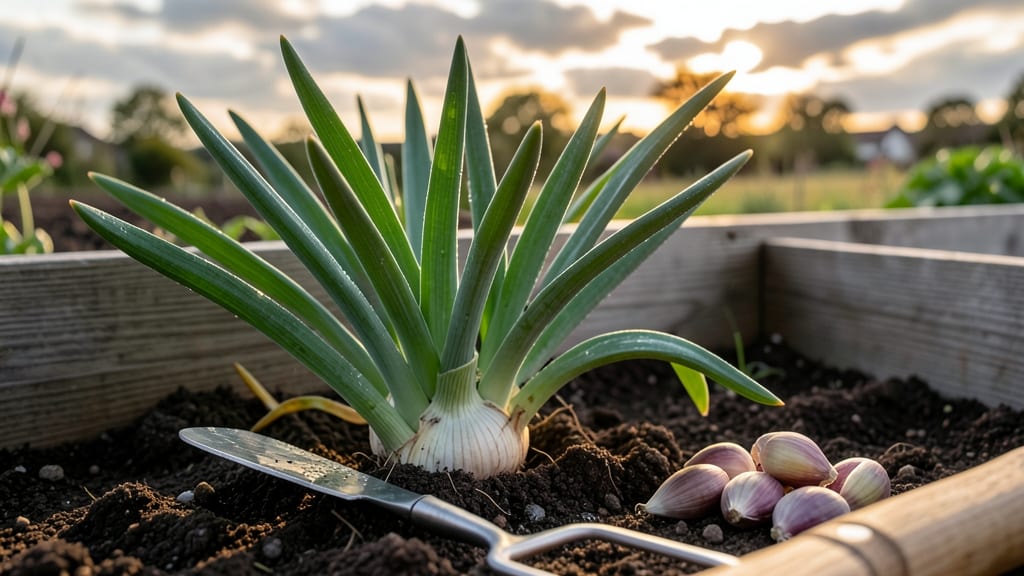
Knowing when to plant garlic in Virginia isn’t just about following a calendar—it’s about unlocking the secret to plump, flavorful bulbs that make your kitchen the envy of the neighborhood.
The fall planting window is your golden ticket, but miss it by even a few weeks, and you might end up with weak growth or no harvest at all.
Here’s the thing: Virginia’s USDA Zones 7a-8a create a tight deadline—typically between late September and early October—but timing shifts depending on whether you’re in the Piedmont, Shenandoah Valley, or coastal Hampton Roads.
I’ll break down exactly when to get those 🧄 cloves in the ground for each zone, plus how to adjust for microclimates that can throw off even the most precise gardener.
You’ll also discover the 3 biggest mistakes Virginia gardeners make with garlic planting (and how to avoid them), from bolting to moldy bulbs. Whether you’re a first-timer or a seasoned grower, these insights will help you turn your garlic patch into a high-yielding powerhouse—no guesswork required.
Ready to transform your garden? Let’s dive into the exact schedule, soil prep, and care tips that’ll have you harvesting juicy, robust garlic by next summer. Your taste buds will thank you.
Virginia garlic planting deadlines by USDA Zone (fall 2024 schedule)
Timing garlic correctly in Virginia is critical—plant too early, and your cloves may rot; too late, and you’ll get weak bulbs or no harvest at all.
The ideal window spans from late September to early December, but exact deadlines shift by USDA Zone, soil temperature, and local microclimates. Below, I’ve broken down the hard deadlines for Virginia’s most common zones (6, 7, and 8), including soil temperature thresholds and regional adjustments.
For Zone 6 (Northwest VA, including Roanoke and Blacksburg), your last chance is November 15. Soil temps should hover between 50–60°F at night—any colder, and emerging shoots risk frost damage.
In Zone 7 (Central VA: Richmond, Charlottesville), you’ve got a slightly longer window: October 20–December 1, with nighttime soil temps ideal between 45–55°F. Meanwhile, Zone 8 (Southeast VA: Norfolk, Hampton Roads) gardeners should plant between November 1–20, targeting 40–50°F nights to avoid bolting.
| USDA Zone | Ideal Planting Window | Soil Temp Threshold (°F) | Key Risks After Deadline | Pro Tip for Late Planting |
|---|---|---|---|---|
| 6 (Northwest VA: Roanoke, Blacksburg) | October 15–November 15 | 50–60°F (nighttime) | Frost damage to emerging shoots; bolting | Use row covers for early cold snaps |
| 7 (Central VA: Richmond, Charlottesville) | October 20–December 1 | 45–55°F (nighttime) | Overwintering failure; mold risk | Plant in raised beds for faster warming |
| 8 (Southeast VA: Norfolk, Hampton Roads) | November 1–November 20 | 40–50°F (nighttime) | Bolting; poor bulb development | Choose softneck varieties for heat tolerance |
Miss these deadlines, and you’ll face three major risks: bolting (flower stalks forming instead of bulbs), mold from excess winter moisture, or complete crop failure. For example, garlic planted in Zone 7 after December 1 often fails to vernalize—meaning it won’t form bulbs at all, just leafy tops.
Even if you’re late, softneck varieties (like ‘Artichoke’ or ‘Silverskin’) handle warmer overwintering better than hardnecks.
Pro tip: Test your soil temperature with a soil thermometer at night. Plant when temps consistently drop below 60°F but stay above 32°F—this sweet spot ensures roots establish without freezing.
If you’re in Zone 6 or 7, aim for 60–90 days of cold below 40°F to trigger bulb formation. Use a chilling calculator (like the one from University of Maryland Extension) to estimate your local needs.
For gardeners in higher elevations (e.g., Blue Ridge Mountains), soil freezes faster—plant 2–3 weeks earlier than the zone guidelines. Conversely, coastal Virginia (Zone 8) often has milder winters, so you can extend deadlines by 1 week and opt for humidity-tolerant varieties like ‘Silverskin’.
Always mulch heavily (4+ inches of straw) to insulate bulbs and regulate soil temps.
One common mistake? Planting garlic in spring. While it can grow, bulbs will be small, weak, and prone to bolting. Fall planting is non-negotiable for large, flavorful harvests.
If you’re unsure about your zone, check the USDA Plant Hardiness Map and adjust for local microclimates—urban gardens, for example, often run 5–10°F warmer than rural areas, shortening your planting window.
Ready to plant? Break apart bulbs into individual cloves, plant the pointy end up, and space them 4–6 inches apart in well-draining soil. Water lightly after planting, then mulch with straw to protect from winter fluctuations.
With the right timing, you’ll harvest plump, paper-skinned bulbs by late June or early July—worth the effort!
How to adjust planting time for Virginia’s microclimates and elevation
Virginia’s diverse geography—from the Blue Ridge Mountains to the coastal plains—means garlic planting deadlines aren’t one-size-fits-all. Elevation, proximity to water, and urban heat can shift your ideal window by weeks.
I’ll show you how to fine-tune timing for your specific corner of the state to avoid bolting or frost damage. Start by checking your elevation and microclimate first.
High-elevation areas like the Shenandoah Valley or Roanoke (Zone 6) freeze earlier. If you’re above 2,000 feet, plant garlic 3–4 weeks earlier than the zone average. For example, in Blacksburg (Zone 6b), aim for October 1–15 instead of the standard October 15–November 15.
Soil freezes faster at higher altitudes, so don’t wait for the “official” deadline.
🌱Visual Guide: Adjusting for Elevation
Coastal gardeners in Norfolk or Virginia Beach (Zone 8) have a longer window but face different risks. The Atlantic Ocean moderates temperatures, so winters are milder. This can trick garlic into thinking it’s spring too soon, causing bolting.
To counteract this, plant 1 week later than the Zone 8 deadline (e.g., November 8–27 instead of November 1–20). Opt for softneck varieties like ‘Silverskin’ or ‘Artichoke’, which handle humidity better than hardnecks.
Urban gardeners in Alexandria or Charlottesville often deal with heat islands—areas where pavement and buildings trap warmth. If your garden is in a heat island, push your planting date closer to December 1, but take extra steps to insulate the soil.
Apply 4–6 inches of straw mulch after planting to mimic the cold stratification garlic needs. This works surprisingly well, even in Zone 7b winters.
For mountainous regions like the Blue Ridge Parkway or New River Valley, the biggest challenge is early frosts. If you’re above 3,000 feet, consider planting garlic in early September instead of October.
The goal is to get the cloves in the ground 4–6 weeks before the first hard frost. Use row covers or cold frames to protect emerging shoots in spring if needed.
🌿Pro Tip: If you’re unsure about your microclimate, observe your garden’s behavior for a year. Note when perennials bloom early or when frost forms unpredictably. These clues will help you adjust garlic planting times more precisely.
For example, if your daffodils bloom in late February instead of March, your garlic needs an earlier start.