
Plants
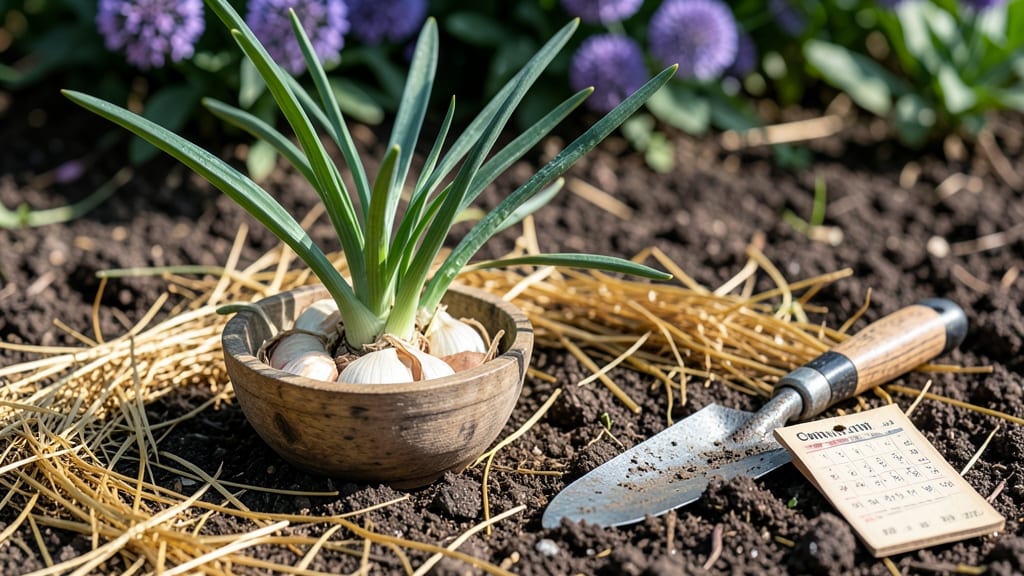
If you’ve ever planted garlic in Vermont only to watch your cloves rot before winter or bolt too early in spring, you’re not alone—and the fix is simpler than you think.
The perfect timing for planting garlic in Vermont isn’t just about the calendar; it’s about understanding how hardneck varieties like ‘Music’ or ‘German White’ thrive in USDA Zones 4b-6a, while softneck types need a slightly different approach.
Getting it right means the difference between a bountiful harvest of plump bulbs next summer and wasted effort.
Most Vermont gardeners know fall is the time to plant, but the exact window—late September to early October—is where many stumble. Why? Because planting too early can lead to premature sprouting, while waiting too long risks cloves freezing before roots establish.
I’ll break down the science behind these timing rules and how to adjust for your specific microclimate, whether you’re in the Champlain Valley or the Northeast Kingdom.
You’ll also discover why hardneck garlic, Vermont’s star performer, needs to be in the ground 4-6 weeks before the first hard frost—and how to prep your soil for maximum success. Spoiler: It’s not just about throwing cloves into cold dirt.
We’ll cover everything from soil pH to spacing tricks that make harvesting easier. Ready to turn your garlic patch into next year’s showstopper?
Let’s dive into the step-by-step guide that’ll have you confidently planting garlic this fall, whether you’re a first-timer or a seasoned Vermonter looking to refine your technique. Your 2025 harvest starts with the right move today.
Best planting months for Vermont garlic: hardneck vs. softneck schedule
Vermont’s USDA Zones 4b-6a mean garlic planting timing is all about beating the first hard frost, which typically arrives in mid-October. For most gardeners, the ideal window is between late September and early October, but hardneck and softneck varieties have slightly different needs.
Hardnecks—like 'Music' or 'German White'—thrive when planted in October, while softnecks (e.g., 'Artichoke') can stretch into early November.
Why the difference? Hardnecks need cold vernalization (6-8 weeks below 40°F) to form bulbs, while softnecks are more flexible. Planting too early (before soil temps drop below 50°F) risks rot, but waiting too long means cloves won’t establish roots before winter.
Aim for 4-6 weeks before ground freeze—this is your sweet spot for Vermont’s unpredictable climate.
Here’s how to align your planting with Vermont’s microclimates: In the Champlain Valley (warmer), you might push into early November, while the Northeast Kingdom (colder) demands late September planting. Check your local frost date (e.g., Vermont Weather Underground) and count backward.
Before planting, prep your soil by amending with compost or aged manure to ensure well-draining, fertile soil with a pH of 6.0–7.0. Garlic hates soggy conditions, so raise beds if your yard is prone to spring thaw puddles. In Vermont, elevated beds are a game-changer for avoiding waterlogged cloves.
Spacing matters too: Plant cloves 4 inches deep and 6 inches apart in rows 12 inches apart. This gives bulbs room to swell without competing for nutrients.
Use the pointy end up—it’s your secret to faster sprouting. Mulch with straw or leaves (2-3 inches) to insulate roots through winter’s fluctuations.
Pro tip: If you miss the fall window, you can plant garlic in spring (March–April), but hardnecks won’t form bulbs—only scapes. Softnecks may still produce small bulbs, but yields drop by 30–50%. For hardnecks, fall planting is non-negotiable if you want those prized braidable stems and large bulbs.
Vermont gardeners often ask: Can I plant garlic in containers? Absolutely! Use 5-gallon pots with drainage holes, filling with a mix of potting soil and compost. Plant in late September and move pots to a sheltered spot (e.g., against a south-facing wall) to protect from winter winds.
Just ensure pots don’t freeze solid—add extra mulch if temps dip below 10°F.
One final Vermont-specific tip: If you’re in a high-elevation area (e.g., Stowe or Jay Peak), plant 2 weeks earlier than your neighbors in Burlington.
Cold air sinks, so frost arrives sooner in valleys. Monitor your garden’s microclimate with a soil thermometer—aim to plant when temps hover around 40–50°F.
Timing your garlic planting in Vermont isn’t just about the calendar—it’s about reading your local frost patterns, prepping your soil, and choosing the right variety. Get this right, and you’ll reap plump, flavorful bulbs by next summer. Miss the window, and you’ll be left with
Best planting months for Vermont garlic: hardneck vs. softneck schedule
If you’ve ever wondered why your garlic cloves sprouted too early or froze solid over winter, the answer lies in timing. Vermont’s USDA Zones 4b-6a demand precision—planting garlic too early can trigger premature growth, while waiting too long risks cloves rotting before roots establish.
The ideal window for most Vermont gardeners is late September to early October, but hardneck and softneck varieties have slightly different needs.
Hardneck garlic, like the popular ‘Music’ or ‘German White’ varieties, thrives when planted 4-6 weeks before the ground freezes. This typically means late September for southern Vermont or early October in colder northern regions.
Softneck varieties, such as ‘Artichoke’, are slightly more flexible but still benefit from being in the ground by mid-October at the latest.
| Factor | Hardneck Garlic | Softneck Garlic |
|---|---|---|
| Best Planting Month | Late September–Early October | Mid-October (or early November) |
| Soil Temperature Threshold | 40–50°F (roots establish before freeze) | 35–45°F (more cold-tolerant) |
| Spacing | 4–6 inches apart, 2 inches deep | 6 inches apart, 1–2 inches deep |
| Key Prep Step | Break bulbs into cloves, plant pointy-side up | Same, but use larger cloves for bigger bulbs |
| Vermont Microclimate Tip | Champlain Valley: Plant by Sept 25; NE Kingdom: Wait until Oct 5 | More forgiving; can plant until Nov 1 in cold zones |
Why does this timing matter? Garlic cloves need 6–8 weeks of cold exposure (a process called vernalization) to form bulbs properly. Planting too early in August can cause cloves to sprout before winter, while planting after November risks freezing before roots take hold.
For hardnecks, this cold period also triggers the formation of scape stalks, which are a bonus harvest in early summer.
Before you plant, prep your soil by amending it with compost or aged manure to ensure good drainage—Vermont’s clay-heavy soils can trap moisture and rot cloves. Aim for a pH between 6.0 and 7.0, and choose a sunny spot with at least 6 hours of sunlight daily.
Mulch with straw after planting to insulate cloves through winter and suppress weeds.
Pro tip: If you miss the fall window, you can plant garlic in early spring (March–April), but hardneck varieties won’t produce scapes, and bulbs may be smaller. Spring-planted garlic is best for softnecks or if you’re in a microclimate with unpredictable frosts.
Remember, Vermont’s first hard frost usually hits by mid-October, so mark your calendar and get those cloves in the ground before the snow flies. Your 2025 harvest depends on it!