
Plants
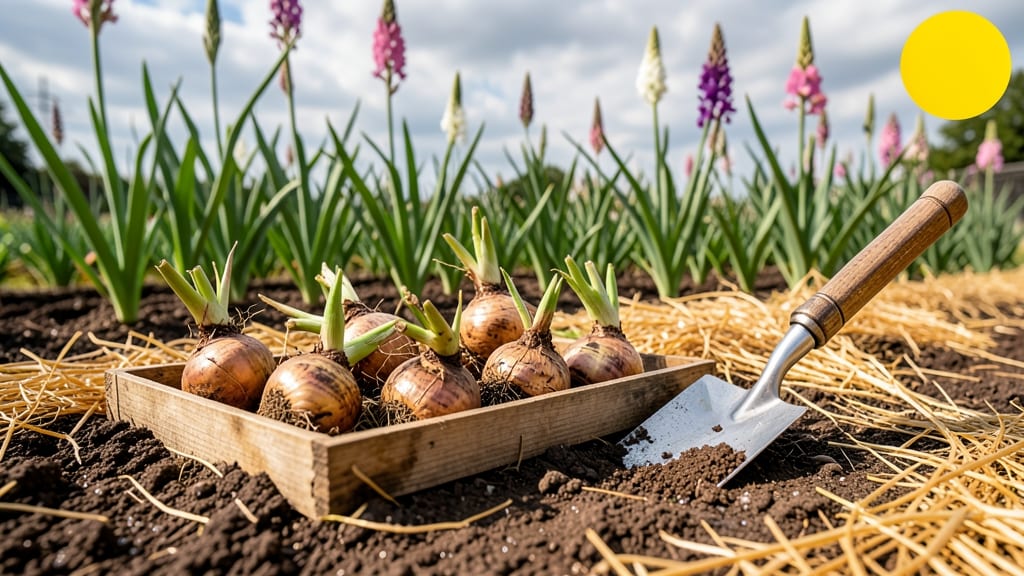
Planting your gladiolus bulbs at the wrong time in Oklahoma could mean waiting months for those stunning 🌺 blooms—or worse, watching them never appear. The state's shifting frost dates and regional microclimates (like Oklahoma City's urban heat vs. rural areas) make timing everything.
Most gardeners in USDA Zones 6b-7a rush to plant too early, risking frost damage, while others wait too long and miss the ideal April window. I'll show you exactly when to plant in your specific county to guarantee vibrant summer flowers.
We'll cover soil prep, depth, and spacing—plus how to adjust for late frosts or early heat waves. Whether you're in Tulsa or Lawton, these tips will help you avoid common mistakes and enjoy July-September blooms year after year.
Ready to transform your garden? Let's dive into the perfect planting schedule that works for Oklahoma's unique climate—so you can enjoy those showstopping gladiolus displays without the guesswork.
Oklahoma’s frost-free planting zones for gladiolus bulbs by county
Oklahoma’s gladiolus bulbs thrive when planted after the last frost date, but the exact timing varies dramatically by county. The state spans USDA Zones 6b-7a, meaning northern counties like Enid (Zone 6b) have later frost dates than southern areas like Lawton (Zone 7a).
I’ve broken down the ideal planting windows to help you avoid frost damage while maximizing summer blooms.
Most gardeners in Oklahoma City and Tulsa can start planting in mid-April, but rural areas like Altus may wait until early May. The key is watching for consistent 50°F soil temperatures—a simple soil thermometer makes this easy.
Planting too early risks frost damage, while waiting too long can delay blooms until late summer when heat stress becomes an issue.
Here’s the breakdown by region to ensure your gladiolus get a head start without frost risk:
| Region | USDA Zone | Last Frost Date | Ideal Planting Window | Bloom Time |
|---|---|---|---|---|
| Northern OK (Enid, Woodward) | 6b | April 15–May 1 | Late April–Early May | Late July–August |
| Central OK (Oklahoma City, Tulsa) | 7a | March 20–April 5 | Mid-April–Early May | July–Early August |
| Southern OK (Lawton, Altus) | 7a–7b | March 10–March 25 | Early April–Mid-April | June–July |
| Southeast OK (Muskogee, Broken Arrow) | 7b | March 5–March 15 | Late March–Early April | June–Early July |
For gardeners in urban areas like Oklahoma City, microclimates can shift planting times by up to 2 weeks. If your yard is surrounded by pavement or buildings, wait until mid-April to avoid unexpected late frosts.
Conversely, rural areas with open fields may see earlier frost-free conditions—trust your local cooperative extension service for precise data.
Pro tip: Use black plastic mulch to warm the soil faster in cooler zones. This can push your planting window 10–14 days earlier without risking frost damage. Just remove the mulch once gladiolus emerge to prevent overheating.
Soil preparation is just as critical as timing. Oklahoma’s clay-heavy soils (common in Lawton) drain poorly, which can rot gladiolus corms. Amend your soil with compost or sand to improve drainage.
Aim for a 6–8 inch deep planting hole with loose, well-aerated soil—this prevents waterlogging and encourages strong root growth.
Spacing is another game-changer. Plant gladiolus corms 4–6 inches apart in rows 12–18 inches apart to allow airflow and reduce fungal diseases like botrytis. Crowding leads to weak stems and fewer blooms, so don’t skimp on space—your summer display will thank you!
Once planted, water deeply once a week to encourage root establishment. Avoid overhead watering to prevent fungal spores from splashing onto leaves. By following these county-specific guidelines, you’ll set your gladiolus up for a showstopping summer show—no matter where you garden in Oklahoma.
How to extend your gladiolus season in Oklahoma’s hot summers
Oklahoma’s summer heat can turn your gladiolus into wilted shadows if you don’t act fast. The key to extending their season lies in heat management—think of it as giving your plants a cooling vest during peak temperatures.
When planted in April-May, gladiolus naturally bloom from July to September, but with the right strategies, you can push blooms into early October or even coax a second flush in fall.
First, mulching is your best friend. Apply a 3-inch layer of straw or wood chips around your gladiolus to retain moisture and insulate roots from extreme heat. This simple trick can lower soil temps by 10°F, reducing stress on your plants. Just
🌺 Watering becomes critical in Oklahoma’s dry heat. Unlike many plants, gladiolus hate soggy roots but need consistent moisture. Water deeply every 3-4 days in early morning to give roots time to absorb water before the heat peaks. A drip irrigation system works best—it delivers water directly to roots without wetting foliage, which helps prevent fungal diseases like botrytis.
- 💧 Water deeply every 3-4 days at dawn to prevent evaporation and fungal risk
- 🌿 Use shade cloth (30%) during 100°F+ days to protect emerging buds
- 🌱 Fertilize lightly with 10-10-10 every 6 weeks to support blooming without promoting leafy growth
- 🌞 Plant dwarf varieties like 'Pyramid' (3-4 ft) for better heat tolerance than standard types
- 🌱 Deadhead spent blooms to redirect energy to fall regrowth instead of seed production
For gardeners in Zone 7a (like Tulsa), late summer heat can cause bolting—where plants shoot up too fast with weak stems. To prevent this, provide afternoon shade using lightweight shade cloth (30% shade) during the hottest months.
You can also plant gladiolus near taller plants like sunflowers to create natural shade. This simple trick can extend your bloom season by 3-4 weeks.
Another pro tip: Replant corms in late summer (around August 1) for a fall bloom cycle. Choose heat-tolerant varieties like 'Green Star' or 'White Friendship' that perform well in Oklahoma’s 90°F+ conditions.
These late plantings will bloom in October-November, just as cooler weather arrives—giving you two cutting gardens in one season!
Finally, don’t forget to harvest strategically. Cut gladiolus stems when 2-3 lower buds open for the longest vase life. This encourages your plants to produce more side shoots, extending your harvest window.
With these heat-beating strategies, your gladiolus will thrive through Oklahoma’s brutal summers and reward you with months of stunning blooms.